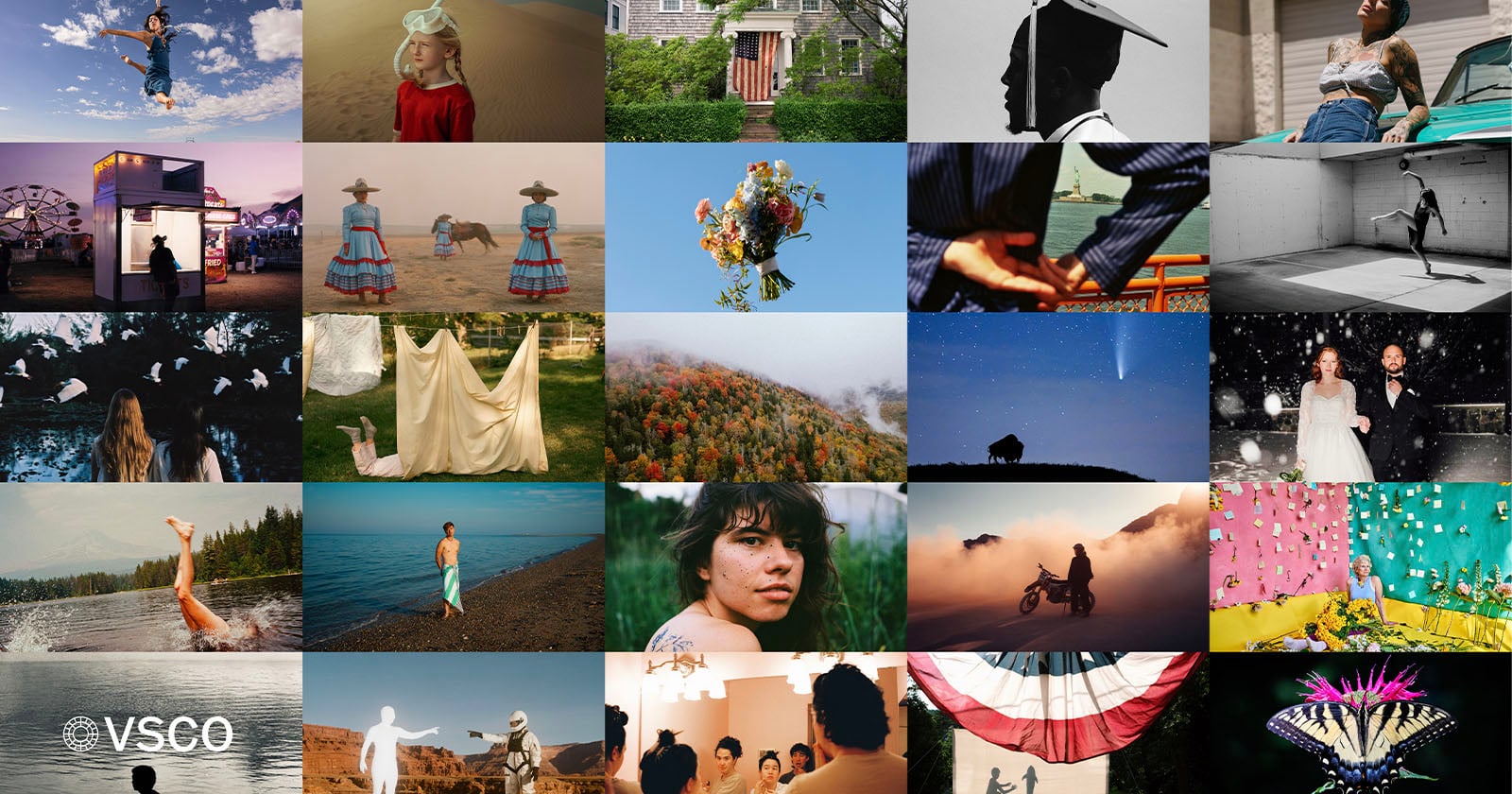
VSCO's decision to launch The Fifty by placing twenty-five photographers on American billboards is a quiet but deliberate act of curation. It is not the loudest campaign in the world, nor does it try to be. Instead, it asks us to slow down, to look at a single image in a space usually reserved for fast-moving commerce, and to consider the photographer's eye as something worth pausing for. That is a bold statement in itself, and one we find genuinely refreshing. The first twenty-five names are out, and the project feels less like a contest and more like a public gallery that happens to be on the side of a highway.
For the working photographer, this is more than a nice gesture. It is a signal that the tools of visibility are shifting, and that platforms like VSCO are willing to invest in the physical, tangible moment of seeing a print at scale. We have written before about the push toward collaborative portfolios and the quiet artistry of new lens technology, but this move feels different. It is not about gear or technique in the traditional sense. It is about the cultural weight of the image itself. When you pair this announcement with something like the recent call for collaborative portfolios in Toronto, or the precision-focused editing tools from Imagen, a pattern emerges: the industry is moving toward intentionality. Where rhythm meets precision: Imagen's Intelligent Studio reimagines the edit is a perfect example of how post-production is becoming more thoughtful, and The Fifty feels like the same energy applied to distribution.
What we appreciate most is the restraint. VSCO could have chosen fifty photographers and called it a day. Instead, they are rolling out the list in two waves, letting the first twenty-five set the tone before the rest are revealed. That creates anticipation, but it also gives us time to absorb who is being elevated and why. The images in the grid range from intimate portraits to sweeping landscapes, and while they are all distinct, they share a certain honesty. These are not overly polished, sterile shots. They have texture, mood, and a sense of the author's hand. That aligns with the broader shift we are seeing in the Toronto's Next Lens: A Curated Call for Collaborative Portfolios, where the emphasis is on partnership and shared vision rather than solo genius.
The practical takeaway here is simple: if you are a photographer, the path to visibility is no longer just about your feed. It is about who sees your work in the real world, and how that work holds up when it is blown up to ten feet wide. The Fifty is a reminder that the image is still the most direct line between the maker and the audience. And for the rest of us, it is an invitation to look up from our screens and notice the art that is already hanging in plain sight. The second half of the list is still to come, and we will be watching to see if the remaining twenty-five push the boundaries even further or if VSCO plays it safe. Either way, they have our attention, which is more than most billboards can claim.