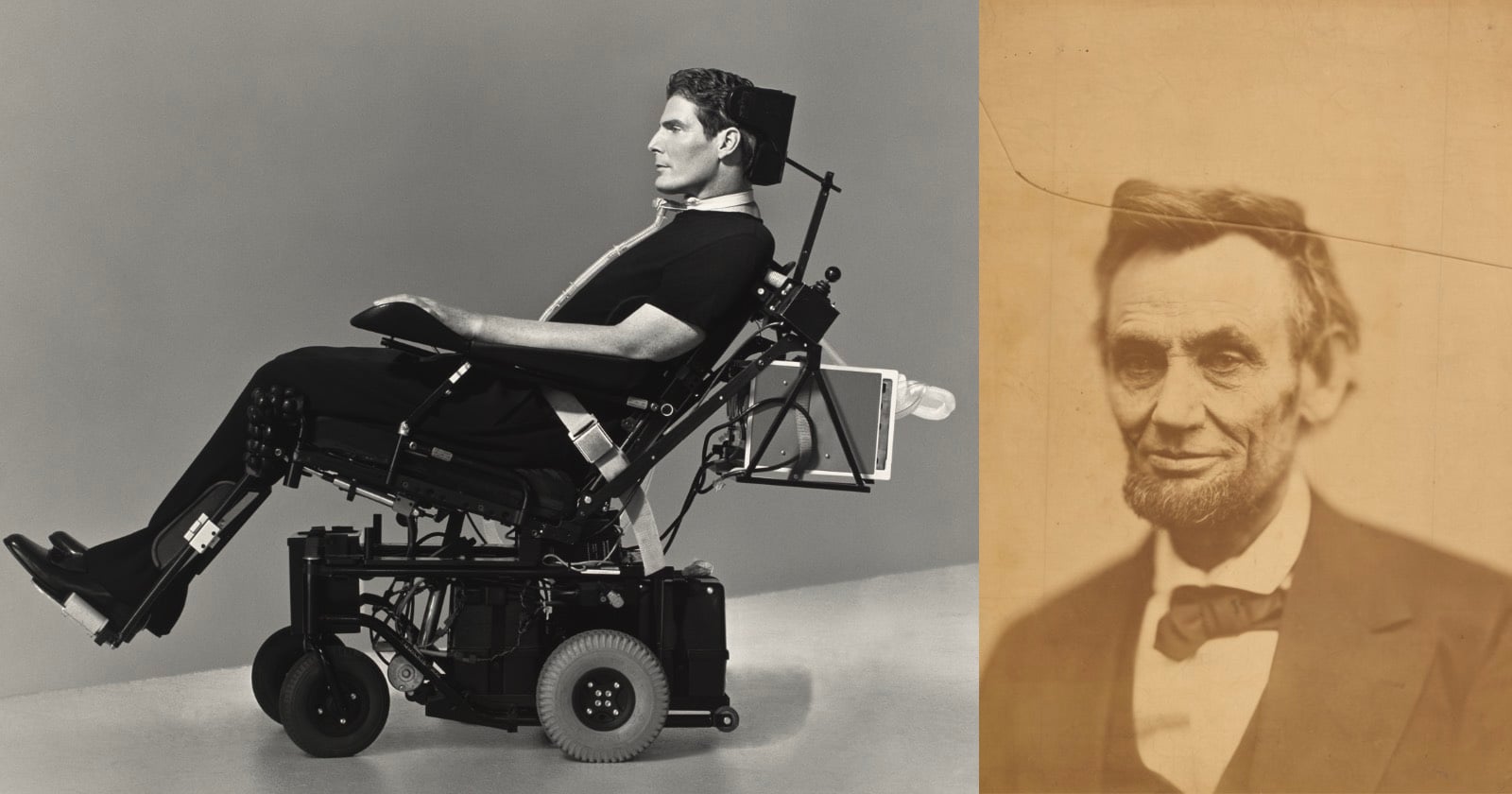
Fifty years ago, the Smithsonian's National Portrait Gallery made a quiet bet on photography as a serious art form. That bet has paid off in ways that reshape how we see ourselves. As the museum celebrates the 50th anniversary of its photography collection, now nearly half its entire holdings, we are forced to confront a powerful truth: the camera has become our national mirror, and the reflection is more complex than any single portrait can capture.
This milestone matters because it validates what we have always believed about image-making. The collection's journey from daguerreotypes to digital is not merely a technical timeline; it is a chronicle of how we choose to be seen. Every frame in that archive is a curated statement about identity, power, and aspiration. It reminds us that photography is never passive, it is an act of selection, of framing reality to match an inner vision. This is the same instinct that drives The Art of the Impossible: Capturing Action at the Cliff's Edge, where photographers risk the edge of a cliff to freeze a moment that feels larger than life. Both the gallery's collection and the cliffside action shot ask the same question: what is worth preserving, and what does that preservation say about us?
For our readers, whether you are a creative collaborator or a health-conscious enthusiast, this anniversary offers a practical lesson in authenticity. The National Portrait Gallery's holdings are not a random archive; they are a deliberately curated mirror of American identity, shifting with every generation. That same principle applies to how we document our own lives. Whether you are framing a fitness milestone or a fashion moment, the choice of light, angle, and context determines the story you tell. The gallery's commitment to collecting across five decades proves that the best images are not the most technically perfect, they are the most honest. This is why we also admire the precision demanded by Find the Sweet Spot Where Your Lens Delivers Its Sharpest Frame, because sharpness without intention is just clarity without meaning. The gallery's portraits achieve something rarer: clarity with purpose.
What makes this anniversary truly significant is the scale of the transformation. A collection that started as a modest experiment now holds nearly half the museum's inventory. That shift reflects a cultural awakening, photography is no longer the junior partner to painting or sculpture. It is the primary language of modern identity. The gallery's decision to invest so heavily in the medium validates what every photographer already knows: the frame is a declaration of values. As you scroll through your own curated feed or plan your next shoot, ask yourself what you are declaring. The Smithsonian's answer, after fifty years of collecting, is that the most enduring portraits are those that refuse to flatter, that choose truth over polish. The specific detail to watch is how the gallery continues to balance historic daguerreotypes with born-digital work, because that tension between permanence and immediacy is exactly where our own creative practice lives.