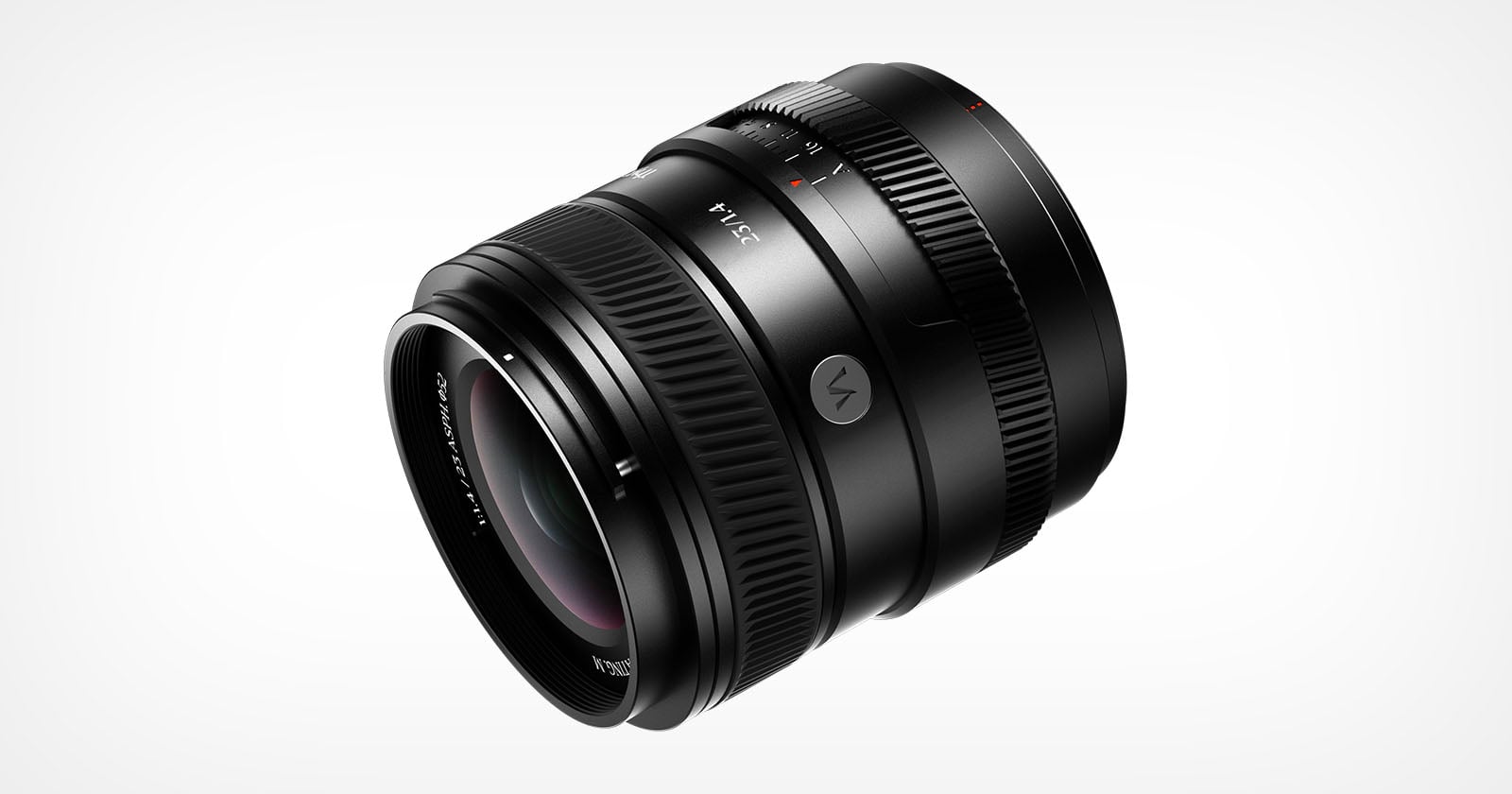
There is something quietly radical about a lens that costs $349 and delivers autofocus, an f/1.4 aperture, and a weight that lets you forget you are carrying it. Thypoch's new AF 23mm f/1.4 Sculptor for Fujifilm X mount is not trying to revolutionize photography, it is trying to make a specific kind of image-making more accessible, and that is exactly what earns our attention. The pricing and the featherlight build suggest a tool designed not for the gear collector but for the photographer who moves through the world looking for light, texture, and a story already in progress. It is a lens that invites you to stay curious rather than stay burdened.
This announcement arrives alongside two other pieces that, taken together, paint a picture of photography as a deeply personal and often precarious craft. One story follows a U.S. judge ordering an influencer to delete his social media photos after a conservation incident, When a Trophy Shot Becomes a Legal Lesson in Conservation, a sharp reminder that what we frame and share carries consequences far beyond the viewfinder. Another tells of a visionary photographer, who opened one of the first studios in the American Southwest, finally receiving recognition a century later, A century in the shadows, a visionary photographer finally gets her due. The Sculptor lens, light enough to slip into a bag without a second thought, feels like the exact kind of companion that might have helped her work faster, quieter, and more instinctively in a world that was not yet ready for her eye. The common thread is intention: the lens is a tool, but what you do with it defines everything.
Practically, the 23mm focal length on Fujifilm's APS-C sensor gives you roughly a 35mm-equivalent field of view, a classic choice for street photography, environmental portraits, and everyday documentation. The f/1.4 aperture means it performs beautifully in low light, and it lets you separate a subject from a busy background without needing a zoom lens the size of a coffee cup. For a community that prizes both craftsmanship and portability, the Sculptor arrives as a compelling middle ground: not the cheapest option, not the fastest, but one that balances all the variables that matter for the working photographer who values feel as much as specs. The weight alone could change how often you bring your camera along.
What remains to be seen is how the autofocus performs in real-world conditions, especially for the kind of spontaneous, moving moments that define the best street photography. Thypoch has built a reputation on thoughtful design and optical character, but autofocus is a different discipline, one that demands relentless consistency. If the Sculptor delivers on that promise, it will not just be a good lens; it will be the kind of quiet tool that lets a photographer vanish into the work, leaving only the image behind.