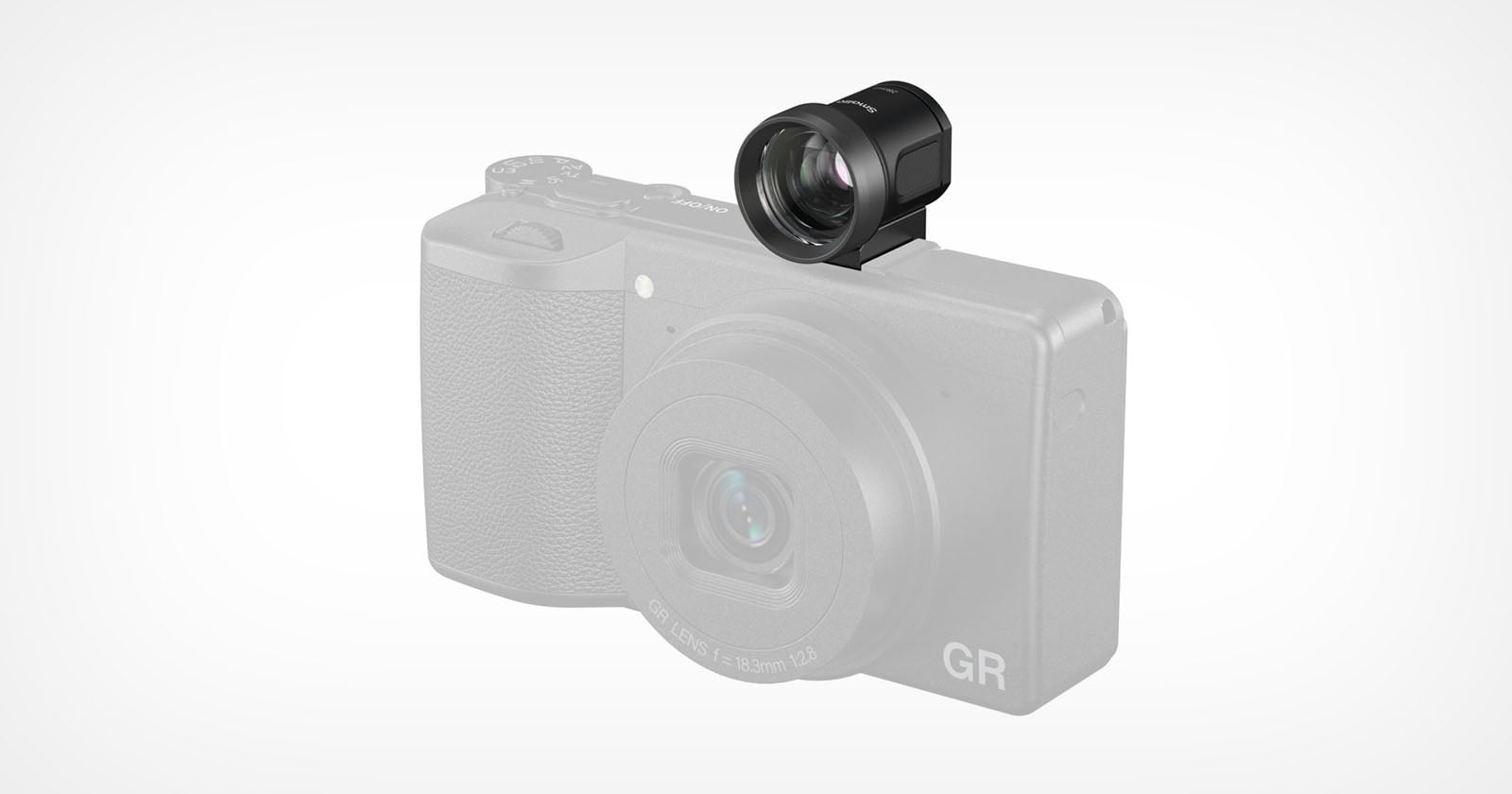
There is a quiet rebellion happening in the world of photography, and it is not about megapixels or dynamic range. It is about the deliberate act of looking. SmallRig's announcement of two new external optical viewfinders feels, at first, like a niche footnote in an industry obsessed with the latest mirrorless bodies. But spend a moment with the idea, and it becomes something richer: a gentle push back against the tyranny of the rear screen and the chimping, cropping, and instant-gratification loop that defines so much of modern shooting. This is not a tool for everyone, and that is precisely the point. It is for the photographer who misses the weight of a camera against their face, who craves a frame that is not a screen but a window.
We have long celebrated gear that adds new capabilities, but there is a special kind of beauty in tools that subtract. An external optical viewfinder does not give you more information; it gives you less. It strips away the histogram, the focus peaking, the blinking highlights. What remains is the scene, the light, and your own ability to anticipate. This feels like a natural companion to the recent wave of artists exploring intentionality in their craft, whether through the experimental Brightin Star's Tri-Sight Lens Lets You Shape the Light, Frame by Frame or the immersive journeys documented in Capturing Cosmic Beauty: An Astrophotography Journey with Nikon. Both ask the photographer to slow down, to see before they click. This viewfinder is a similar invitation, but it is more accessible, more portable, and perhaps more subversive for its simplicity.
Our honest take is that SmallRig is solving a problem that many of us did not know we had, and that is okay. For the street shooter with a compact camera, the viewfinder is a quiet act of defiance against the phone-holding masses. For the portraitist, it is a return to a more intimate connection with the subject. It is not about being better; it is about being present. We would tell a reader who asks: if you have ever felt a disconnect between what you saw and what your camera recorded, this is a tool worth trying. It will not make you a better photographer, but it might make you a more patient one. And in a world of endless bursts and AI-assisted composition, patience is a luxury worth investing in.
The practical consequence here is not about the gear itself, but the habit it encourages. We would suggest borrowing one, if you can, and forcing yourself to shoot an entire afternoon without chimping. The takeaway is simple: clarity is not just a lens property, it is a mindset. The question we are left with is not whether you need this viewfinder, but whether you trust your own eye enough to use it. That is the detail to watch, because the moment you stop second-guessing yourself, the frame finally belongs to you.