France Bans Social Media for Kids Under 15, a First for the EU
Our take
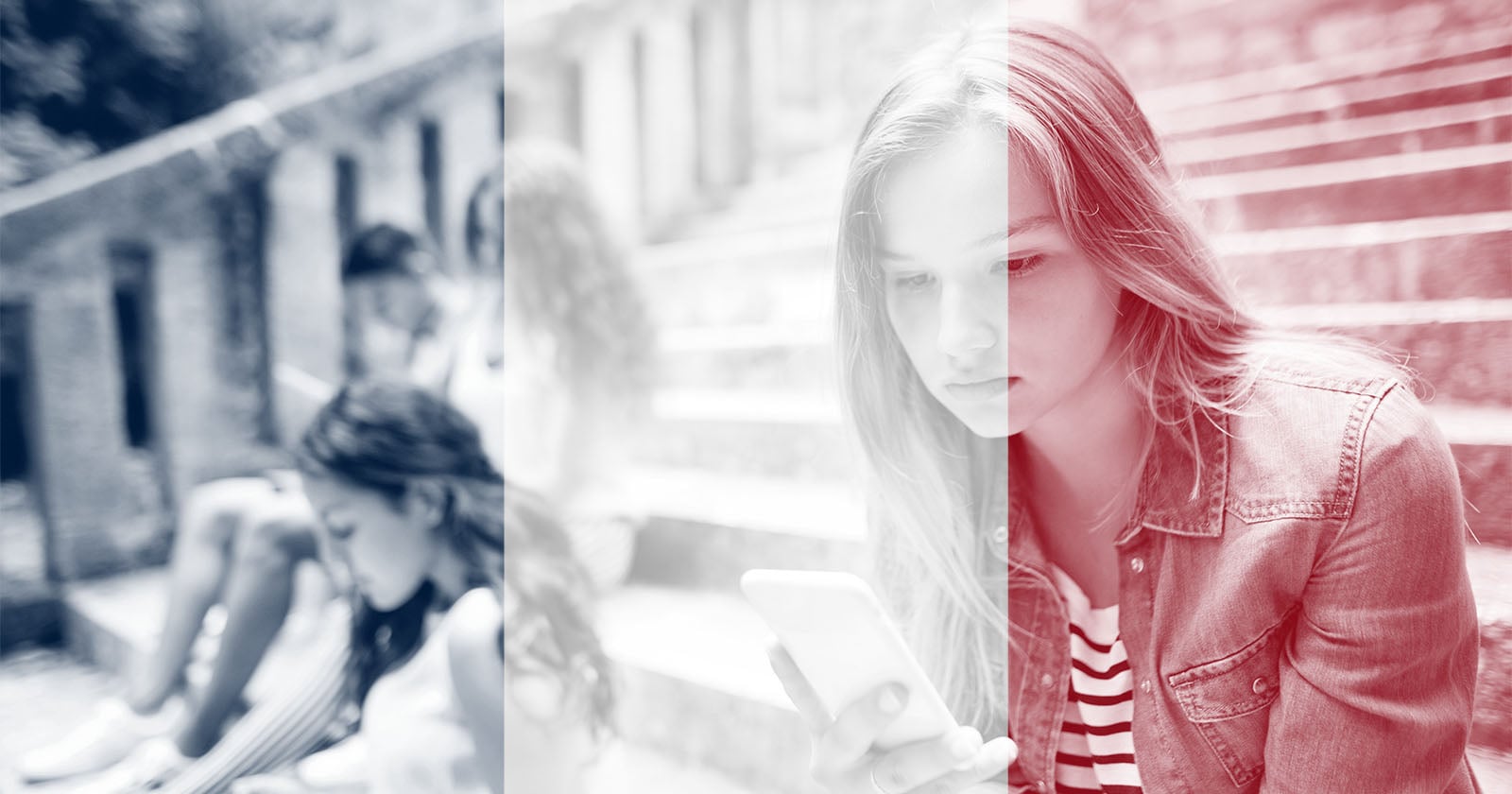
France’s bold move to ban social media for children under 15 marks a significant turning point in the ongoing debate surrounding technology’s impact on young minds. As the first EU nation to implement such a sweeping restriction, France is setting a precedent that other countries may soon follow. The decision arrives amidst growing concerns about the psychological effects of platforms like Instagram and TikTok, prompting a deeper examination of digital wellbeing and parental control. This echoes a wider anxiety reflected in recent headlines, such as the satirical response to Meta’s smart glasses, [Kylie Jenner’s Meta Smart Glasses Parodied in Guerrilla Lenticular Ad], highlighting the public’s discomfort with increasingly pervasive technology, and the ongoing tensions surrounding intellectual property and AI development, as seen in [The US is Concerned Over ‘IP Theft’ by Chinese AI Labs], further demonstrating a global recalibration of technological advancement. Even closer to home, the implications of data collection practices, recently revealed by Apple's recording of customer conversations [Conversations Between Apple Store Workers and Customers Can Now Be Recorded], underscore the increasing need for greater scrutiny and regulation in the digital sphere.
The reasoning behind the ban is multifaceted, rooted in concerns about addiction, cyberbullying, exposure to inappropriate content, and the potential for data exploitation. While the specifics of enforcement remain to be seen – it’s anticipated that the ban will rely heavily on age verification systems, a notoriously challenging hurdle – the intent is clear: to shield children from the potential harms of social media until they are deemed mature enough to navigate these platforms responsibly. This move isn't merely reactive; it's a proactive assertion of societal values, prioritizing the wellbeing of young citizens over the unfettered growth of tech giants. The law also underscores the growing recognition that the current self-regulation model employed by social media companies is inadequate, demanding a more robust and legally binding approach to safeguarding children online. This reflects a broader cultural shift towards prioritizing mindful technology use and fostering healthier digital habits, a trend we've observed across various sectors, from wellness to education.
The ramifications of this ban extend far beyond French borders. It presents a direct challenge to the business models of social media platforms, which rely heavily on the engagement of young users for advertising revenue. It also forces a global conversation about the ethical responsibilities of tech companies and the role of governments in protecting vulnerable populations. While some may argue that such bans stifle innovation or infringe on personal freedoms, the potential benefits – reduced anxiety, improved mental health, and fostering more authentic social connections – are increasingly compelling. The debate will inevitably intensify, with industry lobbyists likely pushing back against stricter regulation, but the momentum seems to be shifting towards greater oversight and accountability. The effectiveness of the ban will depend on successful implementation, but the symbolic significance is undeniable: a powerful statement that the wellbeing of children should take precedence over the pursuit of digital dominance.
Looking ahead, it's crucial to observe how France's experiment unfolds and whether other European nations adopt similar measures. Will this inspire a broader regulatory framework across the EU, or will it remain an outlier? Furthermore, the ban's impact on the development of alternative, age-appropriate platforms remains to be seen. The question becomes not just *whether* children should be on social media, but *how* we can create a digital landscape that nurtures their growth and protects their wellbeing – a challenge that requires a collaborative effort between policymakers, tech companies, educators, and parents alike. The future of childhood in the digital age hinges on our ability to answer this question thoughtfully and decisively.
France became the first country in the European Union (EU) to ban children under 15 years old from using social media.
Read on the original site
Open the publisher's page for the full experience