legislation
legislation on Lee LHGFX Photography: a running collection of 6 stories we have gathered and hand-picked because they are worth your time. Every post here touches on legislation in some way — the news, the analysis, the deep dives, and the occasional surprise find. Lee LHGFX Photography is a dynamic portfolio and lifestyle hub built around the artistic work of @lee_lhgfx — a highly engaged Instagram creator and photographer known for… New stories are added to this page as we find them, so check back if you want to keep up with what is happening around legislation, or subscribe to the RSS feed to get them as soon as they are published. Browse the collection below, or head back to the homepage to see everything Lee LHGFX Photography is covering right now.

Australia Plans New Law to Let Users Switch Off Social Media Algorithms
Australia is poised to pioneer a groundbreaking approach to social media control. The government intends to introduce legislation granting users the unprecedented ability to opt out of algorithmic content recommendations—a potential world-first. This move aims to empower individuals with greater agency over their online experiences and address concerns about algorithmic manipulation. For further insight into evolving digital regulations, explore our piece on the FCC’s recent drone ban and the overwhelming public opposition it faces.

There Are 3,824 Comments on the FCC’s Latest Drone Ban; Nearly 99% of Them Oppose It
The Federal Communications Commission’s (FCC) proposed ban on imported drones with perceived "military-grade" technology has met overwhelming public resistance. A recent comment period yielded 3,824 submissions, with an astonishing 98.6% opposing the rule. This near-unanimous rejection underscores significant concerns regarding the scope and potential impact of the legislation. Readers interested in related legal challenges involving drone technology may find our article, "Lawsuit Challenges Authorities Which Used Drones to Photograph Homes Without Warrants," particularly insightful.
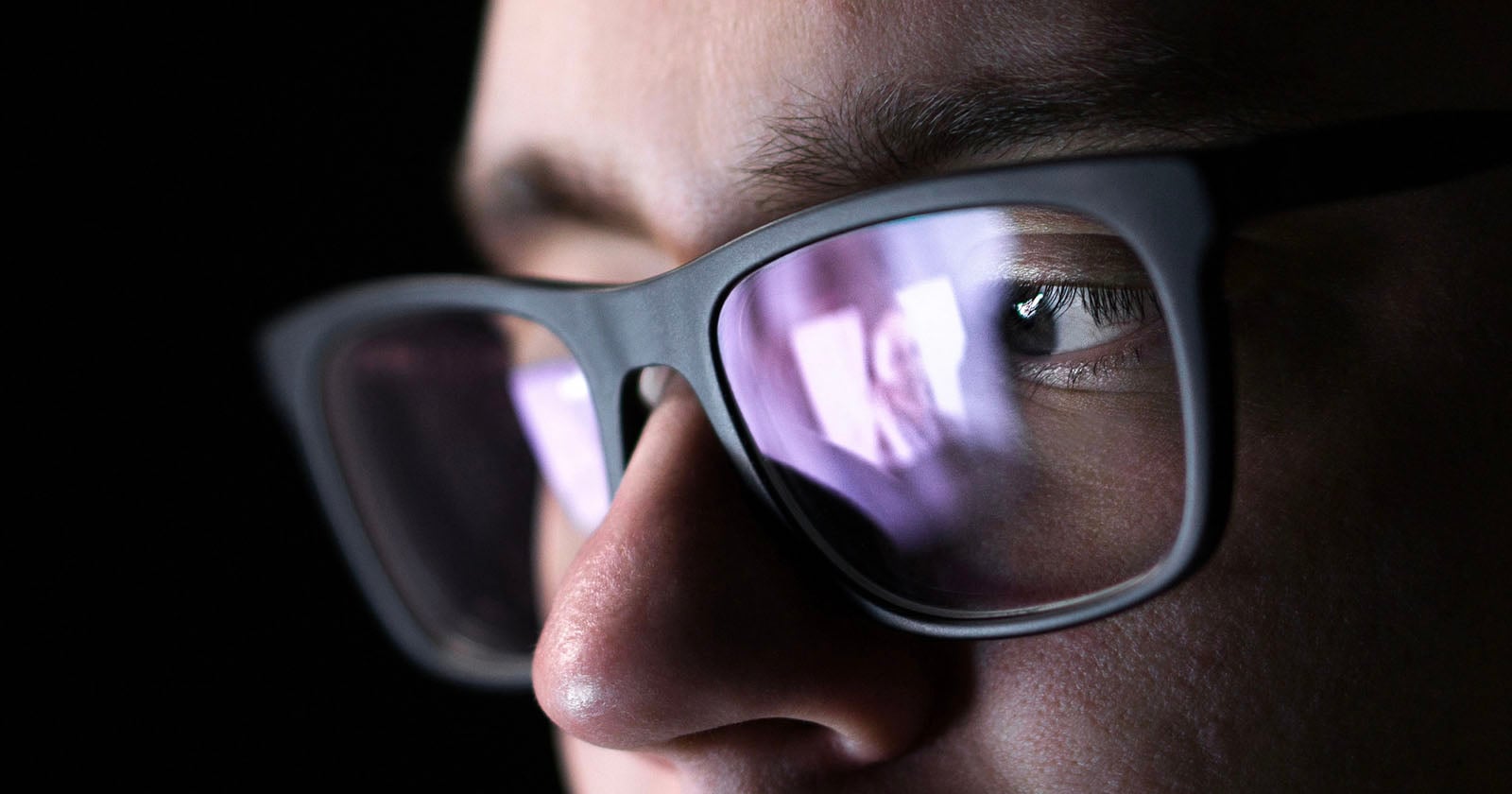
‘Pervert Glasses’ That Record People Without Consent Face Possible Ban in Norway
Norway is contemplating a ban on “Pervert Glasses,” smart eyewear equipped with hidden recording capabilities, raising significant privacy concerns. These devices, designed to surreptitiously capture individuals in public, present a clear challenge to personal autonomy. The potential prohibition reflects a growing global awareness of covert surveillance technology. For those concerned about detecting such devices, our recent article on a $7 smartphone accessory capable of spotting hidden cameras offers a practical solution. This development underscores the evolving intersection of technology and privacy.

France’s Top Court Strikes Down Social Media Ban for Kids
France's ambition to be the first EU member to restrict social media access for minors has been temporarily halted. The nation’s Constitutional Council recently struck down a proposed law enacting this ban, requiring revisions before implementation. This decision follows increasing scrutiny of tech companies' impact on child safety, exemplified by recent cases like Meta’s substantial payout in New Mexico. Readers interested in further exploration of these concerns may find our article on the Cara app controversy particularly insightful.
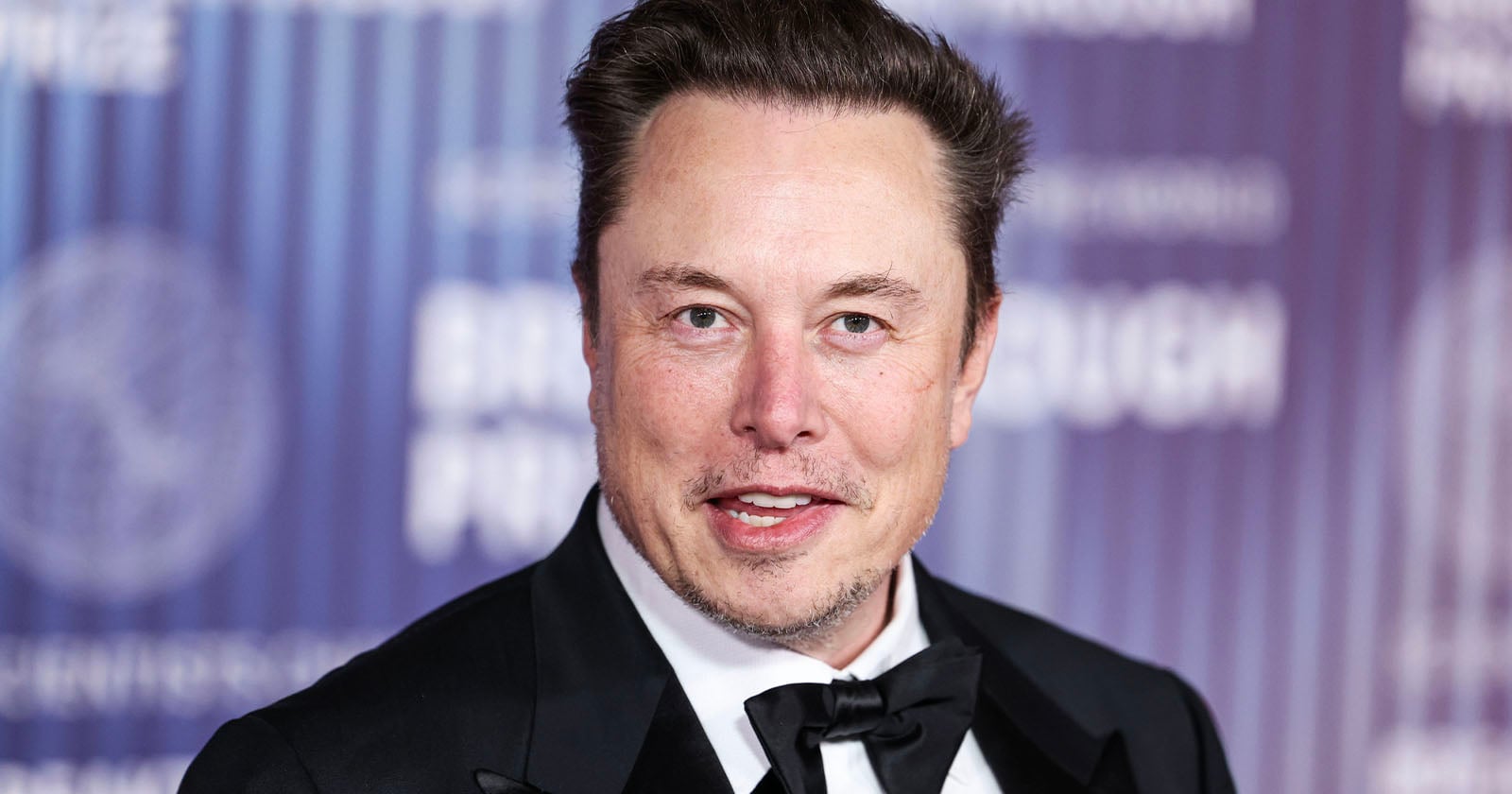
Elon Musk’s xAI Sues Minnesota Days Before State Ban on AI Nudification Apps
xAI, Elon Musk’s artificial intelligence venture, has initiated legal action against Minnesota in a timely challenge to the state's impending ban on AI "nudification" applications. This lawsuit arrives just days before the landmark legislation takes effect, signaling a significant clash over the regulation of AI-generated content. The move underscores xAI's commitment to defending its technologies, particularly Grok. For further insights into the broader implications of AI content regulation, explore our coverage of the EU’s forthcoming labeling requirements for realistic AI images.
France Bans Social Media for Kids Under 15, a First for the EU
France has established a groundbreaking precedent within the European Union, enacting a nationwide ban on social media usage for children under 15. This pioneering legislation aims to safeguard young people from potential harms associated with online platforms. The move underscores a growing global concern regarding digital wellbeing and parental controls. For further insight into the intersection of technology and societal impact, explore our analysis of activist critiques surrounding Meta's new AI smart glasses.