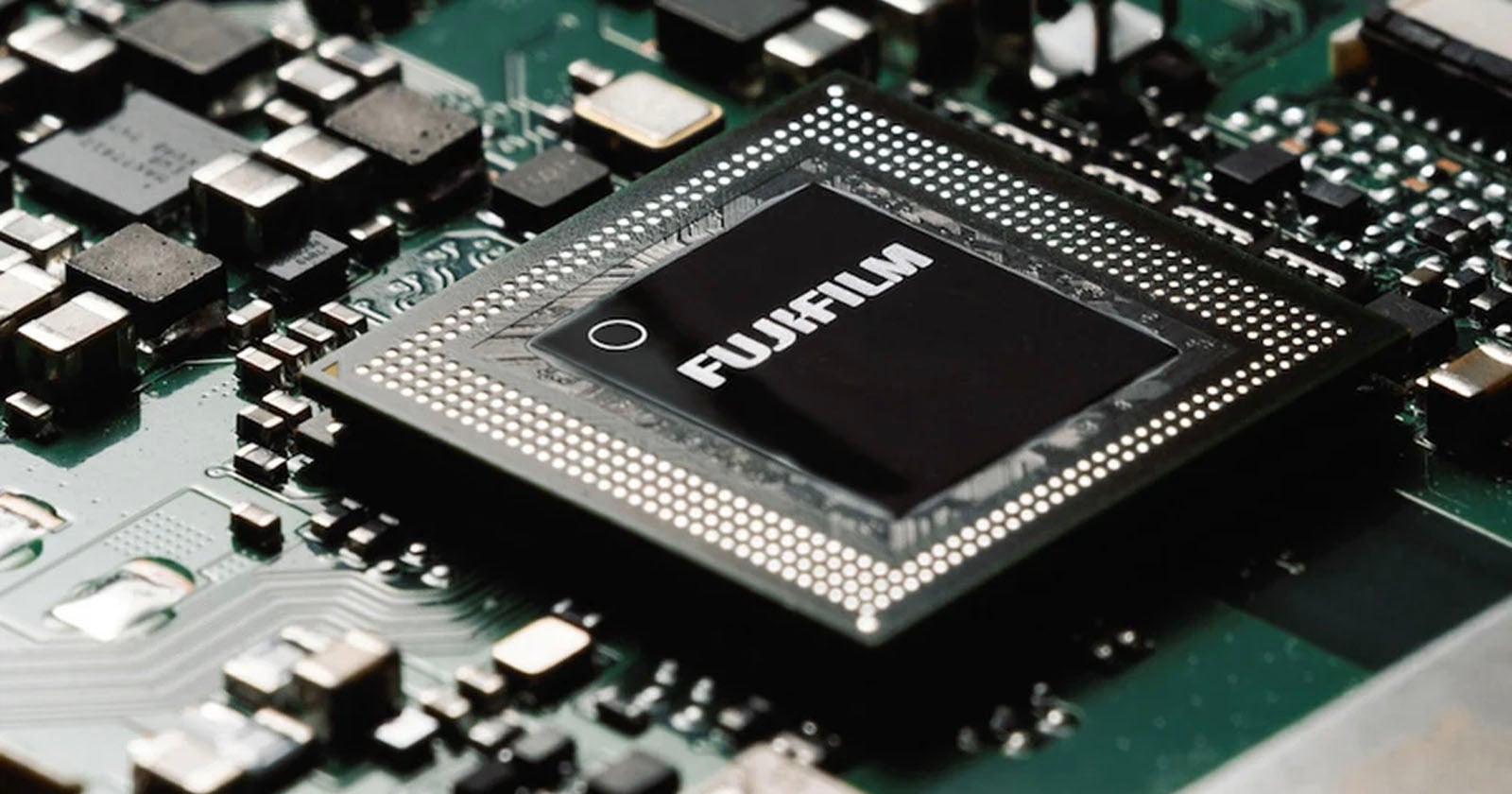
Fujifilm's latest financial results confirm what many of us in the creative community have sensed for a while: the memory crisis is no longer a distant supply-chain rumor. While the headline is that Fujifilm's Imaging division remains a formidable moneymaker, the quieter, more telling detail is the company's acknowledgment that rising memory costs are now directly impacting camera production. This is not a footnote. It is a signal that the hardware we love is becoming more expensive to build, and that cost will inevitably find its way to the shelf. For photographers who have been eyeing that next body or lens, this is the moment to pay attention, because the era of predictable pricing may be pausing.
What makes this particularly resonant is how it intersects with the broader conversation about accessible creativity. We recently highlighted the Nikon Z5 IIC—a Full-Frame Camera, Reimagined as a go-to recommendation for enthusiasts, precisely because it balanced performance and value. But value is a moving target when memory components, the silent engines inside every mirrorless camera, surge in price. Similarly, our piece on Cultivating Connection: Creating Comfortable Portrait Experiences reminded us that the best gear is ultimately about enabling human moments, not spec sheets. When production costs rise, the risk is that innovation slows or that brands cut corners on the very ergonomics and software polish that make those moments feel effortless. Fujifilm's transparency here is refreshing, but it also forces us to ask: will the next generation of cameras prioritize the enthusiast who wants a reliable workhorse, or will we see a squeeze on the mid-tier options that so many of us rely on?
Our honest take is that this is a wake-up call to buy with intention, not panic. If you have been waiting for a price drop on that X-series body, the math suggests you may be waiting for a while. Instead, consider what you already own and how to maximize its potential. The Signature 27: Where Mobile Photography Meets Elevated Design reminds us that great images are not solely the domain of interchangeable lenses; sometimes the most artistic tool is the one already in your pocket. Fujifilm's challenge is to maintain its reputation for film simulations and tactile dials while absorbing these costs without sacrificing the character that drew us to the brand in the first place. We would tell any reader who asks: do not abandon your upgrade plans, but do not treat them as urgent either. Watch how Fujifilm's next moves balance pricing against its promise of accessible artistry.
The specific detail to watch is whether Fujifilm shifts its entry-level lineup toward fewer, more premium models, or if it holds the line on affordability by simplifying internal components. That decision will tell us more about the company's soul than any earnings call. For now, the most practical takeaway is this: the memory crisis is not an abstract market force; it is a creative constraint. And constraints, as any artist knows, often birth the most interesting work.