Fujifilm Says the Quiet Part Out Loud: The Memory Crisis Is Coming for Cameras
Our take
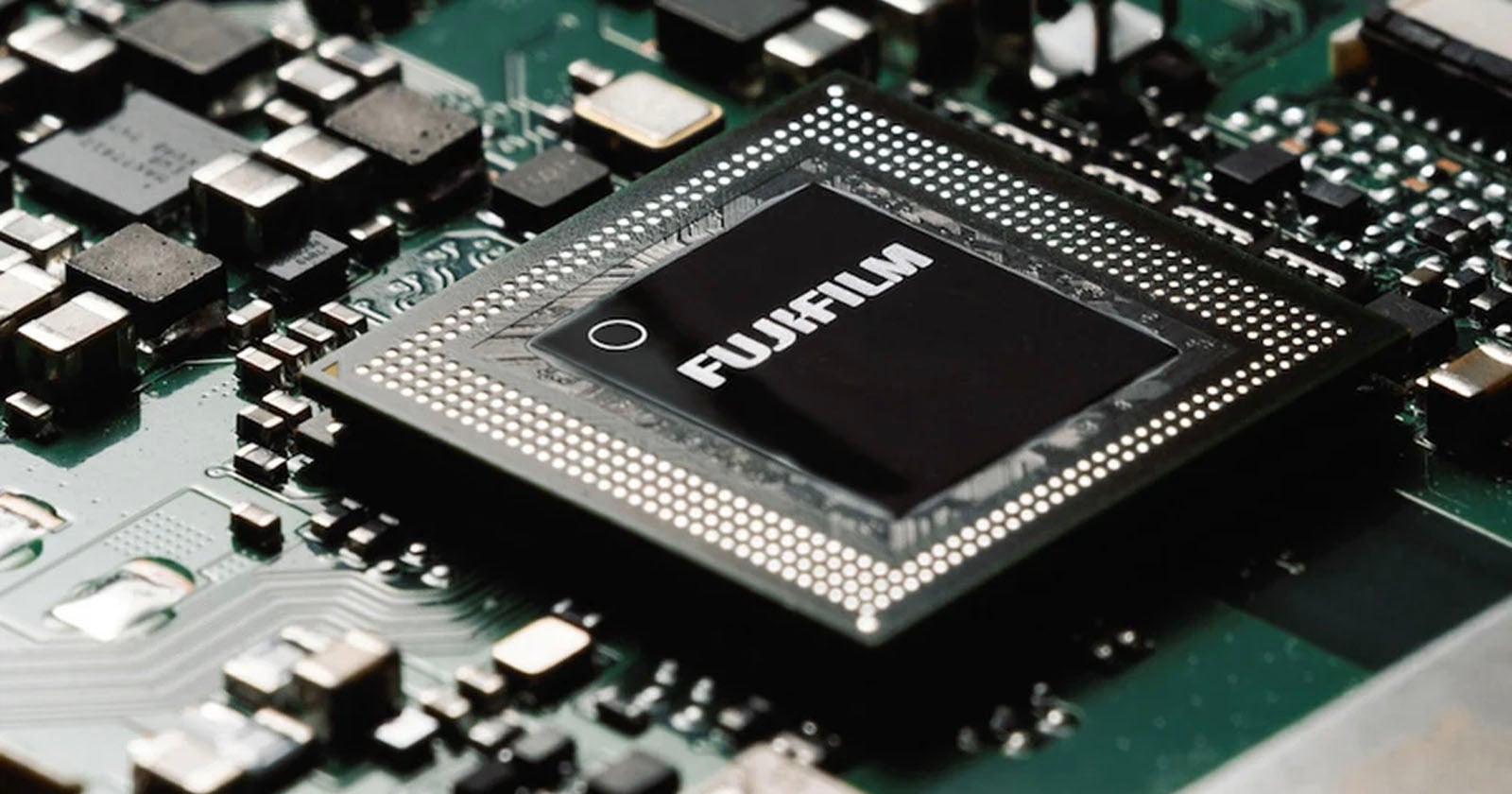
Fujifilm’s recent financial disclosures, as highlighted by PetaPixel, aren’t just about their Imaging division’s surprising profitability—they’re a stark acknowledgement of a looming challenge within the photography ecosystem: a memory crisis. The company’s candid discussion of rising memory prices and its anticipated impact on operational costs should serve as a wake-up call to both manufacturers and consumers. We've seen similar anxieties ripple through other sectors, and the camera world is now feeling the pressure. The situation echoes concerns previously raised about Tamron’s OEM lens sales plummeting [Tamron’s OEM Lens Sales Plummet As Company Considers Sony’s Takeover], demonstrating a broader trend of economic headwinds impacting the industry. Moreover, the increasing scrutiny around consumer technology, as evidenced by the recent bans on Meta smart glasses in UK venues [UK Venues Ban Meta Smart Glasses En Masse], highlights a growing awareness of the resource implications of advanced technology, which inevitably includes memory storage. Fujifilm's transparency is noteworthy; it’s rare to hear a major player so openly address a potential cost burden directly linked to consumer expectations.
The core of the issue lies in the escalating cost of NAND flash memory, the technology underpinning everything from SD cards to the internal storage of cameras and smartphones. Demand for memory continues to outstrip supply, driven by the proliferation of data-intensive applications like AI, cloud computing, and, of course, high-resolution photography and videography. Fujifilm's recognition of this challenge is significant because it’s not just about the cost of producing cameras; it’s about the potential impact on pricing for consumers, the features offered, and even the longevity of existing camera systems. We could see manufacturers subtly curtailing buffer sizes, reducing maximum recording times for video, or even limiting the resolution capabilities of future models to mitigate these costs—all without explicitly stating the memory price issue as the reason. This is a shift from the past, where advancements consistently pushed boundaries without such significant financial constraints.
Beyond the immediate impact on Fujifilm and its competitors, this memory crisis foreshadows a potential recalibration of the photographic landscape. For years, we’ve seen a relentless pursuit of higher resolution, faster frame rates, and longer recording times, all of which directly translate to increased memory consumption. The industry may now be forced to prioritize efficiency and optimize workflows, perhaps encouraging the adoption of cloud-based storage solutions or promoting more mindful shooting practices. It’s possible we'll witness a renewed focus on image compression techniques and innovative storage solutions, rather than simply chasing ever-higher megapixel counts. The implications for professional photographers and videographers, who rely on large-capacity storage solutions, are particularly noteworthy, and will likely necessitate adjustments to their operational budgets and workflows.
Ultimately, Fujifilm’s frankness about the memory crisis is a valuable contribution to the ongoing conversation about the future of photography. While the company is actively exploring strategies to navigate this challenge—from optimizing internal processes to potentially exploring alternative storage technologies—the broader question remains: how will the industry collectively adapt to a world where memory, once an increasingly affordable commodity, becomes a significant limiting factor? Will we see a return to prioritizing image quality and creative vision over sheer resolution, or will manufacturers find innovative ways to push forward despite the rising costs? The coming years will be crucial in determining the long-term impact of this developing situation.
While PetaPixel already covered the big-picture information from Fujifilm's latest financial results, including that the company's Imaging business is a huge moneymaker, there is another part of the company's results well worth discussing: the impact of increased memory prices on expected operational costs and what Fujifilm plans to do about it.
Read on the original site
Open the publisher's page for the full experience