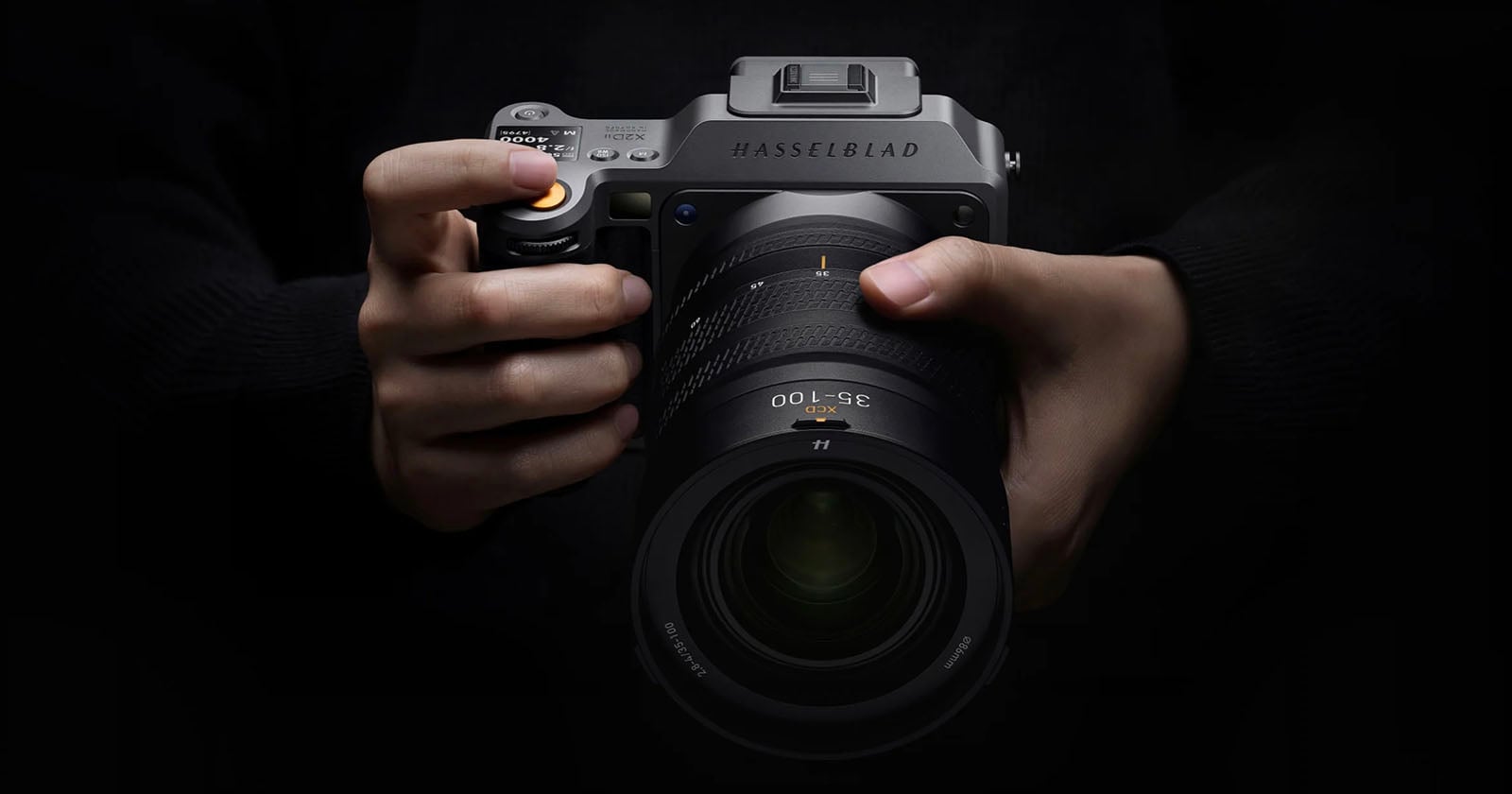
Ten years ago, the idea of Hasselblad trading its legacy of bulky, tripod-bound medium format cameras for a mirrorless system felt like a gamble. Now, with the company's latest financial statements confirming what many of us suspected, it looks less like a risk and more like a masterclass in timing. The move wasn't just about shrinking a camera; it was about understanding that the artists and creators we admire, the ones who shoot for the sheer joy of the image, were ready for something that felt both technically supreme and personally portable. This is the same spirit that drives our own coverage, whether we're looking at the intimate, collaborative energy of Celebrating Portraits: Photography Honoring the Spectrum of Skin Tones or the way tools evolve to serve a vision.
For our readers, this financial success story is more than a corporate headline. It's a confirmation that the tools we use can be both aspirational and accessible without losing their soul. When we see a brand pivot and thrive, it reminds us that authenticity in our own work often comes from being willing to change our approach, not just our gear. We've seen this with the artistic precision of Leica Lux 2.0: Crafting iPhone Photography with Artistic Vision, where a legacy brand embraces a new medium, and we see it here. It's a lesson in evolution, proving that the market rewards those who can curate a new experience rather than just iterate on an old one. The practical takeaway for you is simple: don't be afraid to shed the heavy baggage of "how it's always been done," whether that's in your shooting style or your business model.
Of course, this isn't just about the tech specs or the balance sheet. It's about the philosophy that a camera is an extension of your eye, not a barrier to it. Hasselblad's success suggests that the industry is finally catching up to what many of us have believed for years: that high-end photography can be immersive and intuitive, not just technically demanding. This resonates deeply when we look at the personal, often vulnerable work being created today, such as the collaborative efforts highlighted in Collaborate & Create: Boudoir Sessions Offered Across Florida's Coast. The common thread is intention; whether you're using a state-of-the-art medium format sensor or a smartphone, the goal is to capture a feeling, and the gear should fade into the background of that pursuit.
The one detail we're watching closely is how this momentum influences the next generation of glass and software. If Hasselblad's rebirth teaches us anything, it's that the market will support thoughtful, high-caliber tools that respect the user's craft. So, when you ask us if this is a good thing, we say yes, but not just for the company. It's a win for anyone who believes that the art of making images should feel both elevated and personal. The real question now is not whether Hasselblad made the right call, but what they will dare to curate for us next.