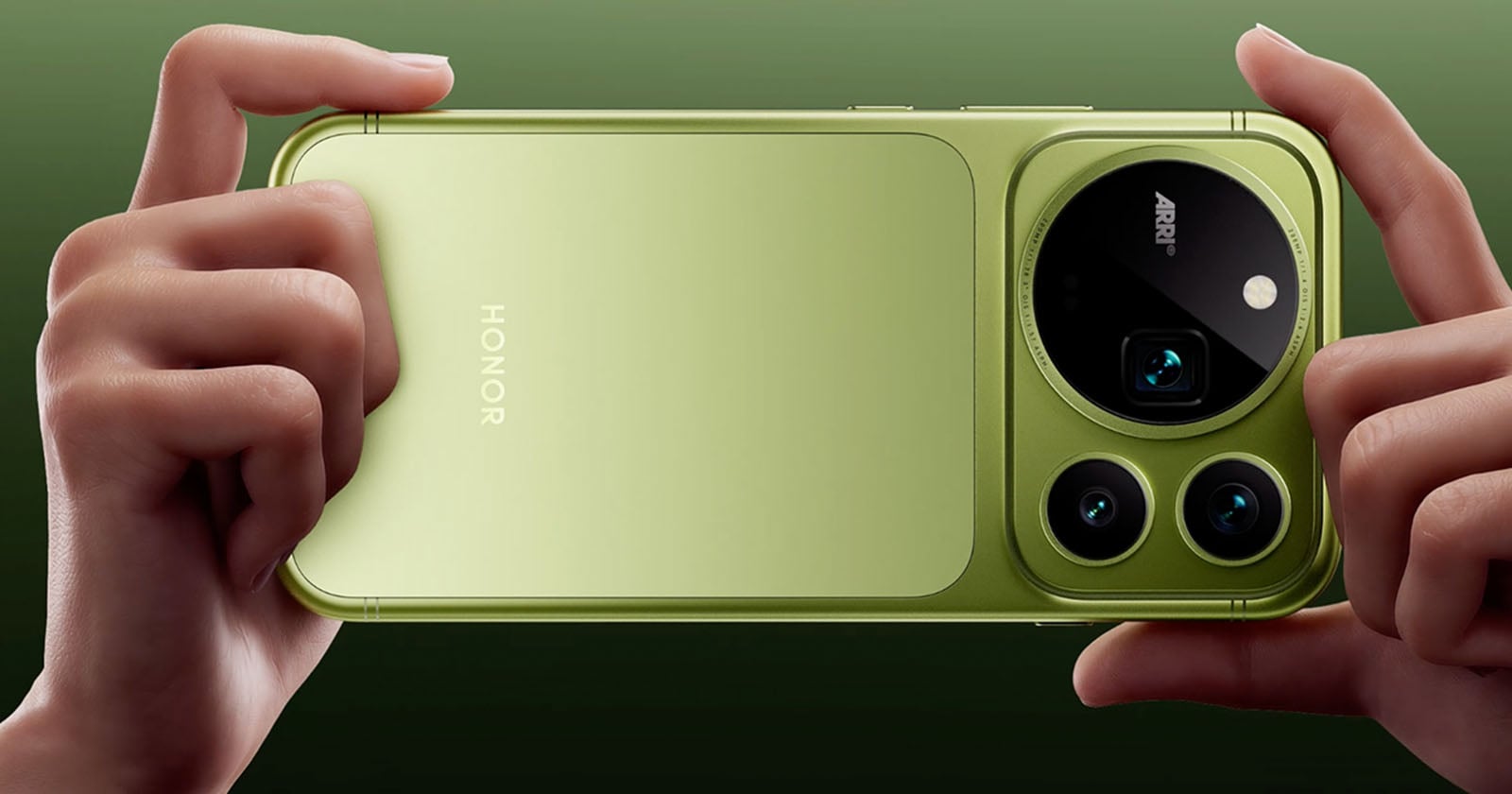
There is something quietly radical about a smartphone that lets you frame a photograph before you take it, and Honor's Magic9 Pro Max, inspired by the legendary Arriflex cameras, suggests the company understands that distinction. The circular camera module, the cinematic design language, the nod to a brand synonymous with motion-picture history, these are not mere aesthetic flourishes. They are an argument that a phone can be a creative tool, not just a consumption device. This is a welcome departure from the generic slabs that dominate the market, and it arrives at a moment when our readers, who straddle the line between artist and enthusiast, are hungry for objects that respect their craft rather than just their scrolling habits.
Consider how this approach resonates with something like Brightin Star's Tri-Sight Lens Lets You Shape the Light, Frame by Frame, a manual-focus lens that asks the photographer to slow down and participate in the act of seeing. Honor's design philosophy echoes that same tactile intention. Where most phones hide their cameras behind flat glass and algorithmic processing, this one makes the lens visible, almost ceremonial. It signals that the hardware matters, that the act of composing an image is part of the experience. For the creative collaborators in our audience, the ones who shoot street photography, who chase light through city alleys, who find joy in the frame itself, this is an invitation worth examining. It is not about megapixel counts or aperture f-stops. It is about intention.
Of course, a design choice is only as good as the follow-through, and here is where we offer a tempered take. Honor has borrowed the name "Pro Max" from a tired marketing lexicon, and the Arri association carries weight only if the imaging pipeline delivers on its cinematic promise. The related story Finding Joy on the Streets, One Frame After Fashion reminds us that the best photographs come from a photographer's eye and instinct, not from a brand badge. A phone that frames creativity through a cinematic lens is exciting, but it must also be genuinely useful for the kind of spontaneous, unpolished work that defines street photography and everyday life. If the Magic9 Pro Max is merely a beautiful object that mimics a camera, it will feel hollow. If it actually changes how people interact with their images, if it makes them think about composition, light, and storytelling, then it earns its place in the conversation.
The specific takeaway for anyone considering this phone is simple: do not buy the name; buy the philosophy. Ask yourself whether a design that foregrounds the lens will change how you shoot, or whether you will simply cover it with a case and forget it is there. The most honest measure of this device will not be found in a spec sheet, but in whether it inspires a single frame you would not have taken otherwise. That is the detail to watch.