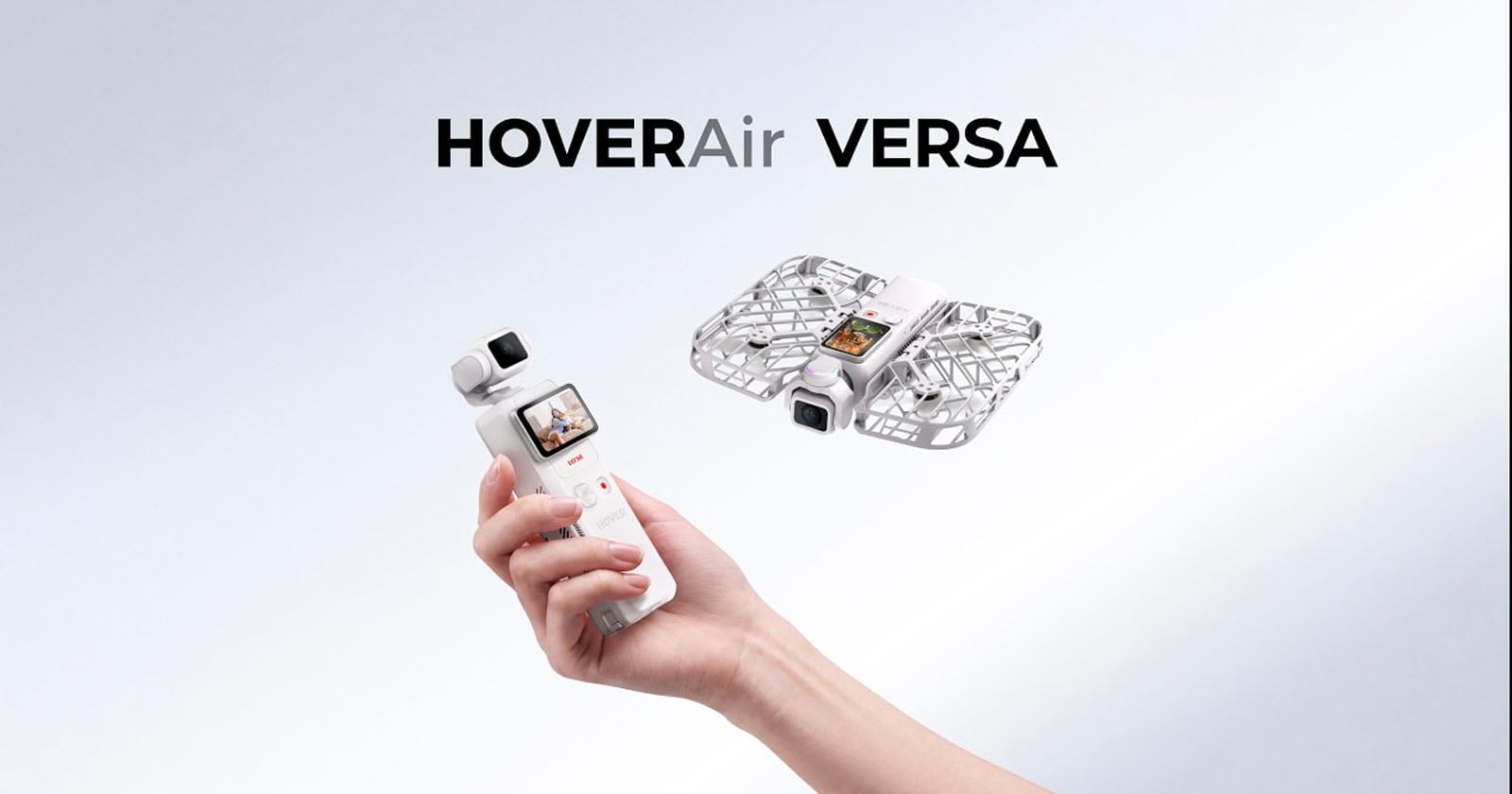
The HoverAir Versa was supposed to be the carefree companion to your most creative impulses, a flying pocket camera that slipped into a bag like a lipstick but delivered cinematic sweeps worthy of a short film. Announced in July, it felt like the perfect artifact for our curated, on-the-go lives, blending utility with a distinctly artistic flourish. So it stings a little to see the first word in that pitch, "flying," get the device tangled in the very real, very unglamorous web of U.S. drone regulations. The pullback for American customers is a reminder that the most aspirational tools often hit the hardest wall: the law.
This moment feels particularly pointed when we look at how other creators are finding their footing in this space. Capture the Moment: Yashica’s New Keychain Cameras Embrace Gen Z Style shows a craving for the pocketable and the immediate, a trend that the Versa was clearly tapping into. Meanwhile, Unlock the Nikon Z5 IIC’s Potential with SmallRig’s New Accessories reminds us that even the most sophisticated gear often needs a physical tether, a rig, or a support system to make magic happen. The Versa promised a kind of untethered freedom, but its regulatory reality is a stark contrast to the carefully designed, physically attached accessories that ground our other tools. It makes you wonder if the industry is moving toward liberation or simply toward more elegant restraints.
Our take is this: do not wait for the hardware to solve a policy problem. For the reader who is already dreaming of that perfect overhead shot, we would say the Versa is a beautiful concept that is currently a paperweight for U.S. customers. The creative community is resilient, but it thrives on reliability. While we appreciate the innovation HoverAir brought to the table, and while we are not legal experts, the practical consequence is clear: if you are in the U.S., your flying camera plans are grounded before they even take off. We would advise exploring the current limitations with your existing gear, or looking at the Yashica keychain for that discreet, spontaneous capture, rather than banking on a drone that might not be legal to operate.
The real story here is not about a single product ban; it is about the friction between artistic expression and the regulatory frameworks that lag behind it. We are not ones to fear progress, but we do value a grounded perspective. The specific detail to watch is how HoverAir responds, whether they will seek certification or redesign the Versa to comply, because the appetite for this kind of camera is clearly there. For now, the takeaway is simple: in the pursuit of the perfect shot, always read the fine print before you let your imagination take flight. The sky might be the limit for your art, but the ground rules are still written by the FAA.