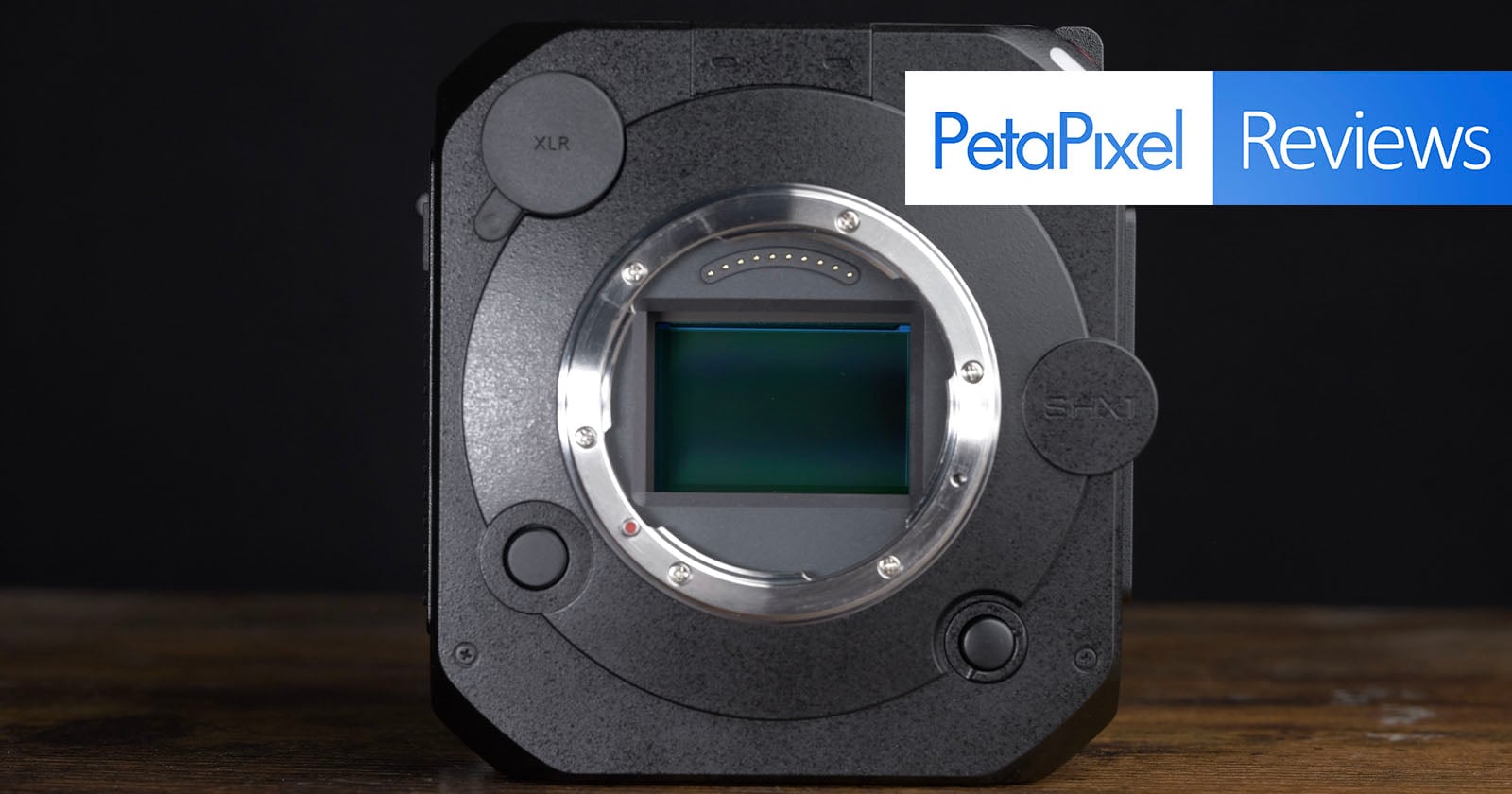
The SHX1 is a quiet act of defiance, and we love it for that. While the industry chases ever-higher specs and bigger numbers, Panasonic has chosen to repackage the soul of the S1 II, its imaging core, its sensor, its processing, into a dedicated cinema box. This is not the sequel everyone expected, but it might be the one that matters most for creators who care about the tool, not the badge.
What Panasonic is telling us is that raw power isn't the only frontier. By taking the S1 II's proven internals and shifting them into a modular, compact body optimized for rigging, gimbals, and drone work, they are prioritizing workflow over flash. For the filmmaker who spends more time building a setup than shooting, this is a practical revelation. The SHX1 ($4,699) acknowledges that the best camera isn't always the one with the highest resolution, it's the one that disappears into the process. This sensibility echoes a different kind of creative philosophy we recently explored in Analog in Orbit: A German Astronaut's Second-Hand Camera Captures Space, where a trusted, familiar tool became the vehicle for extraordinary work. The SHX1 doesn't promise to reinvent imaging; it promises to refine the experience of capturing it.
This move also speaks to a broader shift in how we value technology. We are moving past the era of spec-sheet supremacy and into a time where curation and intention matter more. Panasonic is choosing to be authentic about what a cinema camera should be: a tool that integrates, that breathes, that serves the story. It is a decision that feels both artistic and grounded, a reminder that the most aspirational gear is often the one that asks the least of you while giving the most. In a world where Unbox a tiny camcorder surprise where color stays a mystery can spark joy through pure unpredictability, there is something equally compelling about a camera that offers certainty and focus.
The practical takeaway is simple: if you are a hybrid shooter who has been waiting for a dedicated cinema body that doesn't force you to learn a new sensor, this is your camera. It is not about topping the S1 II, it is about trusting what that camera already does well and putting it in a form that demands less compromise on set. The open question now is whether Panasonic will extend this philosophy to the rest of its lineup, or if the SHX1 remains a singular, beautifully stubborn statement.