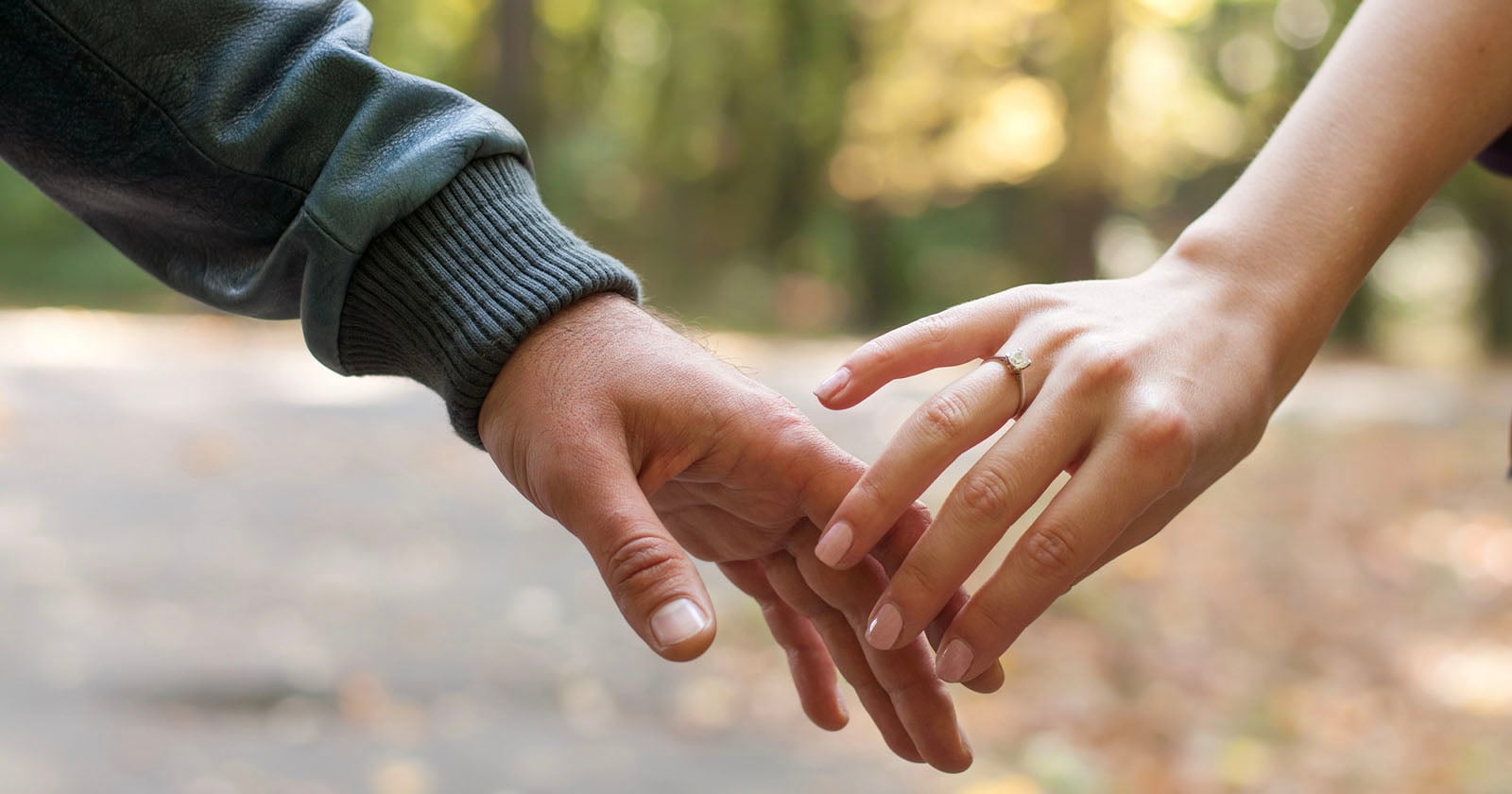
Instagram has introduced a feature that feels less like a tool and more like a confession: the Pixel effect, designed to let you cut a person out of a photo and blur their face into obscurity. It is a function built for the soft launch, that modern ritual of hinting at a new partner without fully revealing them. The gesture is familiar, a hand in the frame, a blurred silhouette, a caption that says "someone special" without naming names. But where we once relied on cropping or careful angles, Instagram now offers a dedicated button. This is not a bug or a workaround; it is a curated aesthetic choice, packaged and promoted by the platform itself.
For our audience, those who move between creative work and wellness rituals, who treat their Instagram grid as a gallery and their story as a living diary, this feature raises a question worth sitting with. Is the soft launch a form of artistry or a performance of privacy? We have long admired the way Leica Lux 2.0: Crafting iPhone Photography with Artistic Vision elevates everyday images into something painterly, applying subtle grain and light to make the ordinary feel intentional. The Pixel effect does something similar, but with a different subject: it turns a person into a graphic element, a pixelated shape that signals intimacy and distance at once. And in the same week that Instagram lets you Curate Your Aesthetic: Seamlessly Integrate Tagged Posts to Your Grid, the message is clear: you are the editor of your own narrative, down to who gets to be seen and who remains a blur.
Our honest take is that this feature is both clever and telling. It gives users a way to share moments without oversharing, to hint at a relationship before it feels solid enough to name. That is a genuine service. But it also formalizes a kind of digital coyness that can feel less like romance and more like branding. When you pixelate someone, you are not protecting their identity so much as you are staging it. The blur becomes a prop, a way to generate curiosity. It is a small step from here to the territory explored in AI Alters Art: Photography Competition Sparks Debate and Rule Changes, where the line between editing and altering reality becomes a point of contention. If we can pixelate a partner for effect, what else are we willing to blur?
What we would tell a reader who asks about this is simple: use the feature if it serves your story, but ask yourself what the blur is really doing. Is it keeping a private moment sacred, or is it turning a person into a visual accessory? The most compelling takeaway here is that Instagram has recognized the soft launch not as a quirky user behavior, but as a genre of content worth building for. That means the platform now has a stake in how you reveal, or conceal, your life. The question is whether you want a corporation curating your romantic ambiguity, or whether you would rather leave a little mystery to your own devices.