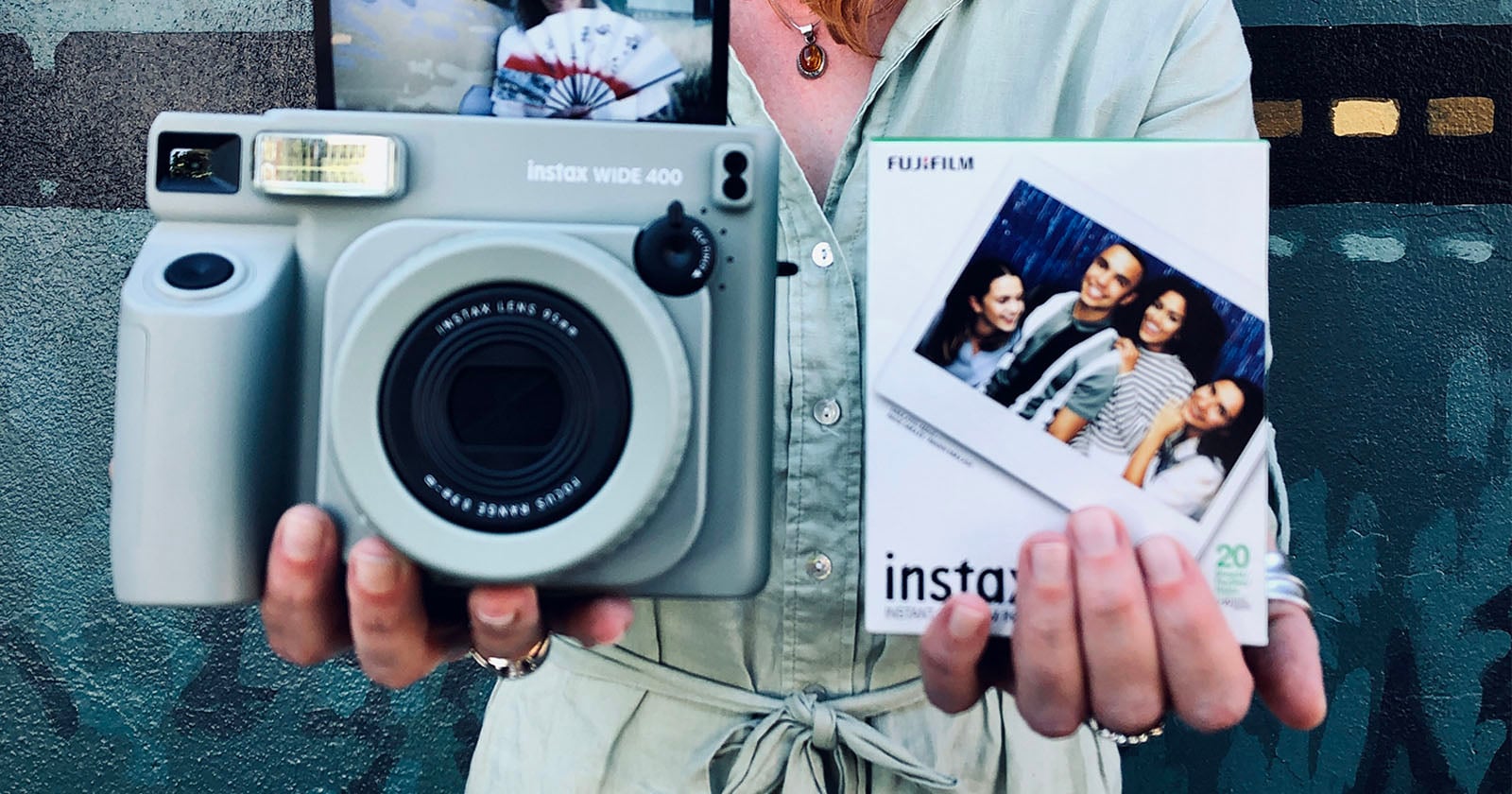
Instant film was supposed to be a relic, a nostalgic footnote in a world of infinite digital storage. Instead, it is thriving, and Fujifilm's Instax line deserves the credit for turning a fading medium into a vibrant cultural ritual. We think this isn't just a comeback story; it's a quiet rebellion against the disposable nature of modern photography, and it's one worth celebrating with a wide frame and a patient finger on the shutter.
The genius of Instax isn't the technology, it's the anticipation. Unlike the instant gratification of a phone screen, a wide-format print forces you to wait, to watch the image bloom from grey to color, to hold something physical that cannot be edited or deleted. That tactile delay is precisely what makes it feel curated rather than captured. It echoes the same spirit we see in Curated by Time Itself: Mars' Wind-Sculpted Cliffs, Framed at Dawn, where a camera on another planet waits for the perfect light to sculpt a landscape. Here, we wait for the chemical reaction to finish its own art. And like A Selfie's Serendipity Unveils a Bloom Seen From Space, where a chance shot reveals something monumental, each Instax frame carries a small serendipity, you never quite know how the exposure will settle until it does.
For our readers, this renaissance is a practical invitation, not a nostalgic retreat. Shoot a roll of wide Instax at your next gathering and you'll notice a shift: people lean in, they wait, they trade prints like currency. There's no swipe-to-delete, no backup anxiety. The limitation becomes the luxury. It forces you to compose with intention, to value the imperfect, and to share something that exists only once. That's a discipline we could all use, whether we're framing a sunset or a stranger's smile. It's also a reminder that the most sophisticated tools aren't always the newest ones, sometimes they're the ones that ask you to slow down.
The specific detail to watch is how Fujifilm continues to push the format's boundaries without diluting its charm. The wide frame already feels cinematic, but the real test is whether the brand can keep the experience authentic as demand grows. Will we see more limited-edition films, more collaborations with artists, or a push into higher-end instant cameras that respect the craft? That's the question we'll be following. For now, the takeaway is simple: pick up a pack, shoot something deliberate, and let the image arrive on its own schedule. The renaissance isn't about the past, it's about how we choose to see the present.