Is the Sony a7r III Still a Good Camera in 2026?
Our take
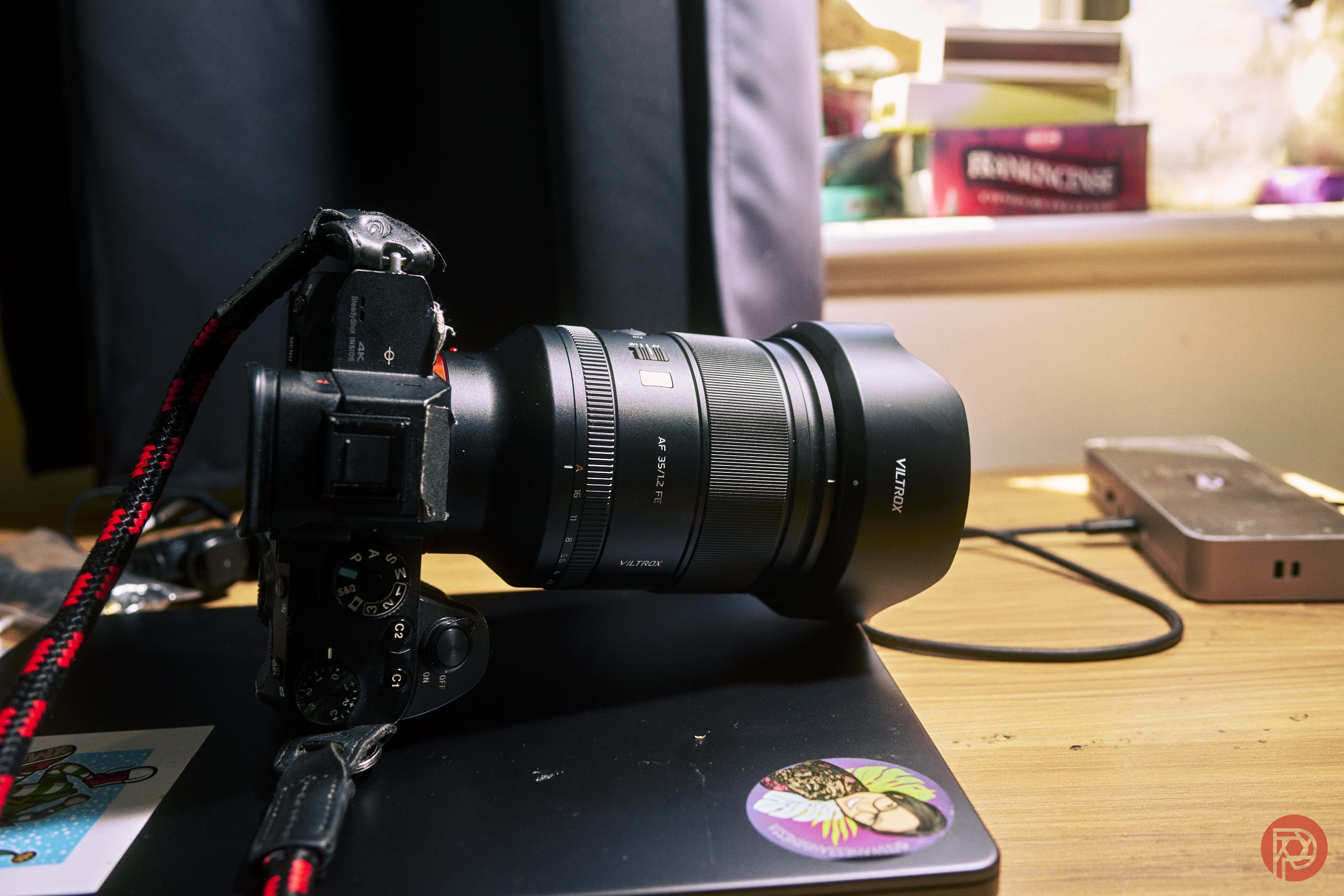
The enduring appeal of the Sony a7r III, even nearly a decade after its 2017 debut, speaks volumes about a bygone era of thoughtful engineering and genuine innovation within the camera industry. The author's experience – clinging to a beloved camera and adapting it to remain relevant – resonates deeply with a growing sentiment regarding technology's accelerated lifecycle. It’s a feeling echoed in discussions around spotting increasingly sophisticated AI-generated faces, as highlighted in You’re Trying to Spot AI-Generated Faces Wrong, where the initial ease of detection has given way to a more nuanced challenge. This sentiment also connects to the dedication required to master classic photographic techniques, such as those explored when using Kodak Tri-X for street photography, detailed in 5 Things to Know When Using Kodak Tri-X for Street Photography—demonstrating a preference for deliberate craft over fleeting trends. The author's frustration with Sony's subsequent product trajectory, citing "enshittification," is a pointed critique of a business model increasingly prioritizing short-term gains over long-term user satisfaction.
The core of the issue isn't simply about the a7r III's continued competency; it's about the perceived shift in Sony’s approach to product development. The suggestion of "subversive marketing and comment trolls" implies a deliberate manipulation of consumer perception, prioritizing hype and fleeting online buzz over delivering genuinely improved products. This echoes a broader concern within the creative community—a feeling that the pursuit of incremental upgrades and feature bloat has eclipsed the pursuit of refined functionality and intuitive design. The Hasselblad Masters competition, showcasing stunning work from artists using a range of equipment, including Hasselblad’s own offerings The 7 Spectacular Winners of the Hasselblad Masters 2026 Photo Contest, provides a stark reminder that the quality of the final image ultimately transcends the specific camera used, but the tools themselves undeniably shape the creative process. The enduring value of the a7r III, despite its age, becomes a silent indictment of a trend towards disposable technology and a diminishing focus on user experience.
This situation isn't unique to Sony, of course. Across numerous industries, the pressure to constantly release "new and improved" versions has led to a cycle of diminishing returns, where genuine innovation is often sacrificed for the sake of perceived novelty. The author’s willingness to invest time and effort into tweaking and adapting their existing camera highlights a desire for longevity and a rejection of the relentless consumerism that fuels this cycle. It’s a testament to the enduring appeal of well-built, thoughtfully designed products that can be adapted to meet evolving needs, rather than being replaced entirely. The rise of the used camera market, fueled by photographers seeking value and sustainability, is another indication of this shift in consumer behavior.
Ultimately, the question of whether the Sony a7r III is "still good" in 2026 isn’t a simple yes or no answer. It’s a reflection of a larger debate about the direction of technology and the values that guide its development. As camera technology continues to advance, will manufacturers prioritize genuine innovation and user experience, or will they continue down a path of incremental upgrades and marketing-driven hype? Perhaps the most compelling question is not whether older cameras can remain relevant, but whether the industry as a whole can rediscover a commitment to building products that endure – both in terms of their functionality and their value proposition.
Read on the original site
Open the publisher's page for the full experience