No One Talks About This Sony Lens. Why?
Our take
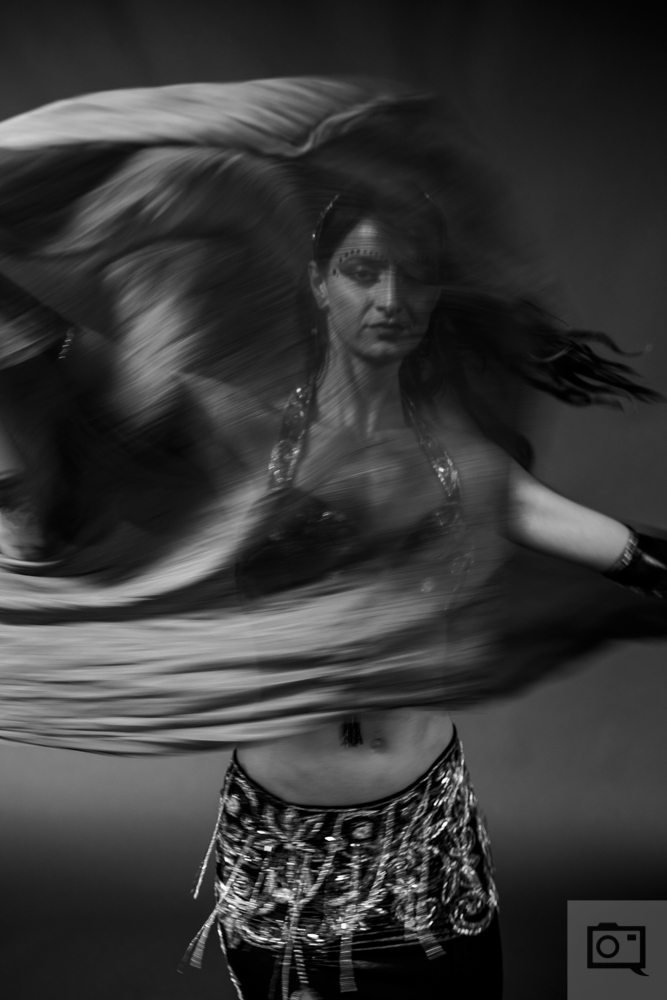
The photographic landscape is shifting, and it's a change largely driven by the evolution of lens design and, perhaps surprisingly, by cultural trends. As highlighted in this recent piece on The Phoblographer, the Sony Zeiss 50mm f/1.4, a lens released in 2016, possesses a character and visual quality noticeably absent in many contemporary lenses. The author's observation – that brands are subtly engineering “the life and character out of lenses” – is a provocative one, suggesting a deliberate move toward a homogenized aesthetic. This isn’t simply about technical specifications; it’s about the inherent imperfections, the unique rendering of light and shadow, the subtle distortions that once defined a lens's personality. This shift is occurring alongside a broader conversation about photographic technique, as evidenced by articles like Do You Actually Know How to Meter a Scene?, which underscores the importance of understanding the fundamentals of light and exposure – elements that are intrinsically linked to a lens's capabilities and how they interact with the scene.
The argument presented revolves around the concept of "looksmaxxing," a term often associated with Gen Z and a desire to optimize one's appearance. While the author doesn't explicitly state it, the implication is that lens manufacturers are responding to a perceived demand for images that are technically "perfect" – flawlessly sharp, uniformly corrected, and aesthetically neutral. This pursuit of perfection, however, can inadvertently strip away the artistic soul of photography. The author’s experience with press trips, using flash with the Zeiss 50mm f/1.4, highlights a time when photographers actively sought to create unique images, embracing the challenges and limitations of their equipment. It’s a stark contrast to the current trend of relying on software to achieve similar results, often at the expense of authenticity. The rise of the diversified photographer, as explored in The Rise Of The Diversified Photographer, further complicates this picture, suggesting a move away from specialized equipment and a greater emphasis on adaptability and versatility – traits that can sometimes be prioritized over specialized lens character.
The significance of this observation extends beyond mere nostalgia for older lenses. It speaks to a deeper concern about the direction of photographic creativity. The ability of a lens to impart a distinct "look" was once a crucial tool for photographers, allowing them to establish a personal style and differentiate their work. Today, with the proliferation of computational photography and AI-powered editing tools, that power is diminishing. While these advancements offer undeniable benefits – increased accessibility, greater control, and expanded creative possibilities – they also risk homogenizing the visual landscape, making it increasingly difficult to discern the unique voice of the photographer. The intimacy and raw emotion captured in photographs like those documented in Intimate Photographs of Family Life in Small-Town Virginia Published for the First Time highlight the power of a lens to capture a moment with genuine feeling, a quality that can be lost in the pursuit of technical perfection.
Ultimately, the question isn't whether modern lenses are technically superior – in many ways, they are. Rather, it’s whether the pursuit of clinical perfection is worth sacrificing the character and artistry that once defined photographic lenses. As technology continues to evolve, will photographers actively seek out lenses that embrace imperfection and offer a distinct visual signature? Or will the demand for flawlessly rendered images continue to shape the future of lens design, further blurring the lines between reality and artificiality? The photographic community, and indeed, anyone who appreciates the art of visual storytelling, should be watching this trend closely, and considering the long-term implications for the creative process.
Read on the original site
Open the publisher's page for the full experience