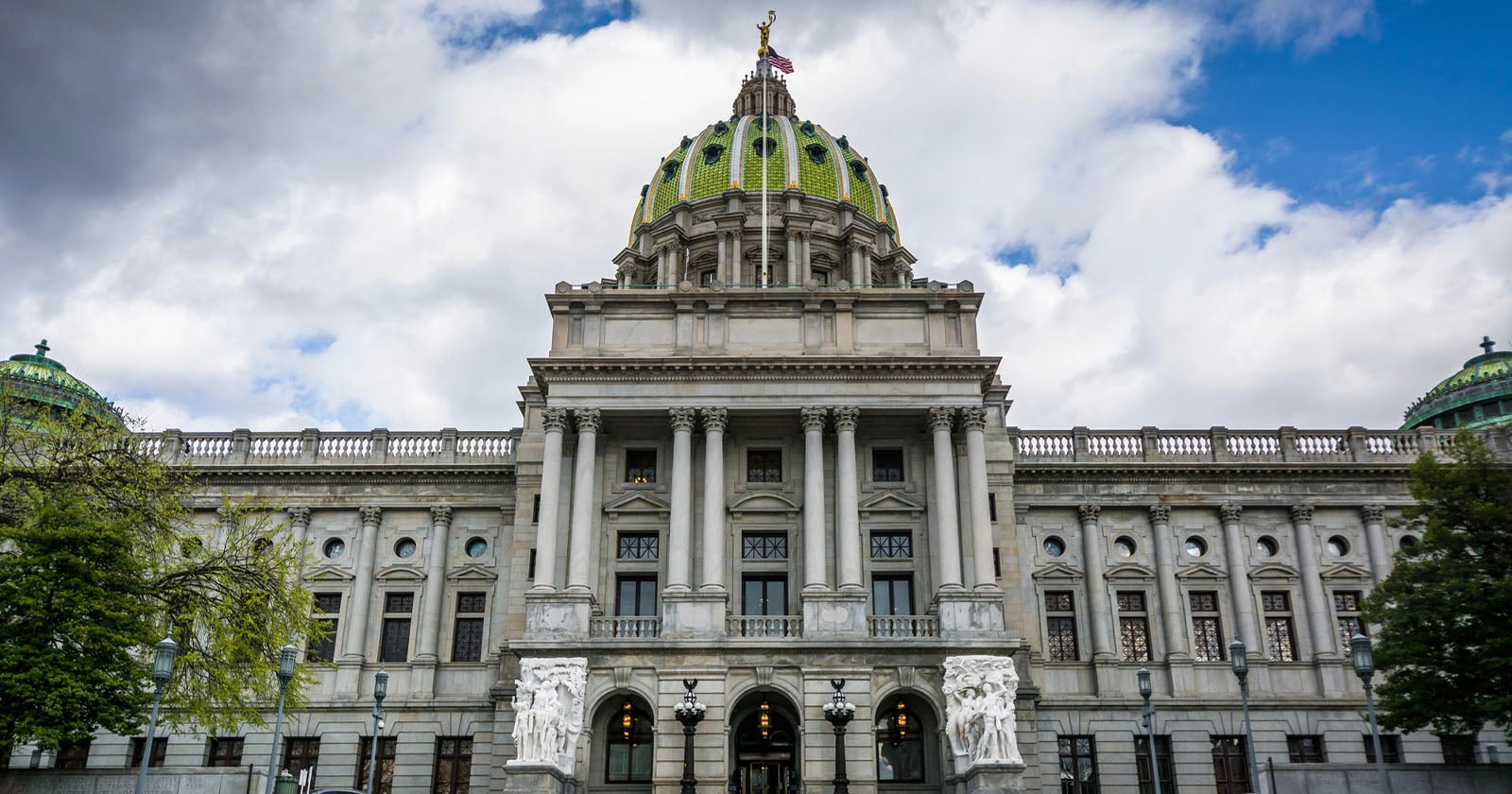
Transparency in advertising should never feel like a compromise, and yet Pennsylvania's new mandate, requiring clear labels on AI-generated or significantly modified ad content, strikes us as both overdue and oddly refreshing. For a brand voice that lives at the intersection of art and authenticity, this law feels less like a regulatory speed bump and more like an invitation to rethink how we create and consume beauty. When a photographer can rewrite the rules of their craft by hacking their own process, the line between human and machine authorship grows blurrier by the day. Pennsylvania is now asking advertisers to publicly admit when that line has been crossed.
What this means for you, the creative, the health-seeker, the curator of your own lifestyle, is simply this: you will now have a better sense of what you are looking at. That aspirational ad for a sculpted physique or a luminous skincare product may have been generated by a model trained on design templates rather than photographs, much like Canva’s new AI approach that weaves imagination directly from design. That is not inherently dishonest; many digital creatives embrace these tools for their precision and beauty. But when the ad world borrows the vocabulary of real life, real sweat, real skin, real effort, without disclosing its synthetic origins, it erodes the very authenticity our audience values most. This law does not outlaw AI in advertising; it simply asks that the magic trick be declared before the audience applauds.
We see a meaningful parallel in how Formula 1's camera operators recently sparked debate with seamless, physics-defying transitions that audiences mistook for AI trickery. In that case, the technology was real, human-directed, and carefully choreographed, yet fans suspected otherwise because the line has grown so thin. Pennsylvania's law flips the concern: now an ad that is genuinely AI-generated must wear its label like an artist's signature, not a scarlet letter. For brands that already prize artistic integrity and grounded storytelling, this is an opportunity. The label becomes part of the narrative, a signal that the creation was intentional, whether human or synthetic.
Our take is plain: this is a win for the curious consumer, and for any brand brave enough to own its process. The practical consequence to watch is how luxury and wellness advertisers, sectors that thrive on aspirational imagery, choose to respond. Will they treat the AI label as a disclaimer to be hidden, or as a mark of craft, much like a photographer hacking their own method? The ones who lean into transparency will earn the trust that generic, unlabeled perfection never can. That is the aesthetic worth chasing.