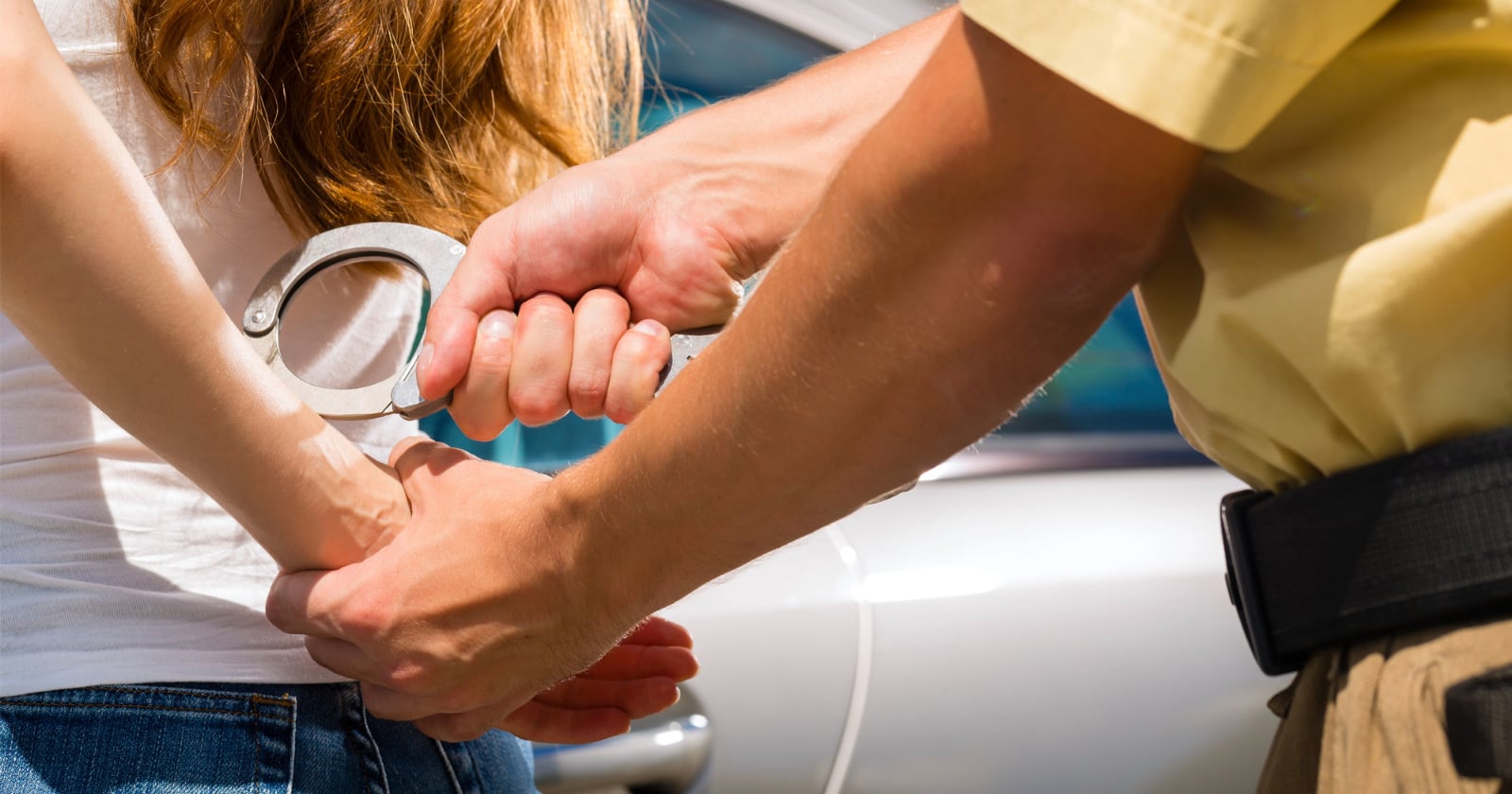
A false arrest is never just a moment of humiliation. For a wedding photographer, it is an assault on the very foundation of her trade: trust. The news that her lawsuit against police is advancing is not merely a legal procedural win. It is a quiet acknowledgment that the lens through which she saw her clients, and through which they saw her, was unjustly shattered. We often talk about the art of photography, the composition, the light, the fleeting emotion captured. But none of that matters if the person behind the camera is treated like a criminal on a job. This case strips away the romance and exposes the raw, practical vulnerability of working in a field built on access and intimacy.
This story resonates because it sits at the intersection of two worlds we cover constantly: the creative hustle and the blunt force of institutional error. We have seen how quickly a creative career can be derailed by forces outside one's control, whether it is a Hamptons Fashion Event Disrupted by Camera Gear Theft or a legal battle over equipment. And while the specifics here are about a stolen wallet and a police report, the underlying theme is the same: a creative professional's reputation is a fragile asset, easily bruised by circumstances that have nothing to do with the quality of their work. Similarly, the fight for control over one's own creative and professional destiny is a recurring battle, much like the A Creative Court Win Cracks the Door to Canon's Closed Lens Mount shows us. In that case, a small player pushed back against a closed system; here, a photographer is pushing back against a closed-minded accusation.
What is most compelling is the practical takeaway for our readers who live by their cameras. This is not a story about a celebrity or a massive corporation; it is about a working professional whose day-to-day livelihood was thrown into chaos. The lesson is not to live in fear, but to be acutely aware that your reputation is a currency that can be stolen from you in an instant. We would tell a reader who asked us about this: document everything, know your rights, and do not assume that a badge makes a story true. The court's decision to let this case proceed is a reminder that the legal system, for all its flaws, can be a necessary tool for reputation repair. It is a slow, grinding, and expensive form of justice, but it is justice nonetheless.
The specific detail to watch now is how the police department chooses to defend its actions. Will they double down on a shoddy investigation, or will they settle and offer the one thing that no amount of money can easily buy: a public clearing of her name? For a photographer, whose entire portfolio is a testament to their eye for truth, that vindication is the ultimate final print. This case is no longer just about one wallet or one wedding. It is about the presumption of innocence and the cost of a moment's error in judgment, and we will be watching to see if the system that failed her is brave enough to admit its mistake.