Photography Gallery’s Decision to Exhibit AI Images Sparks Anger
Our take
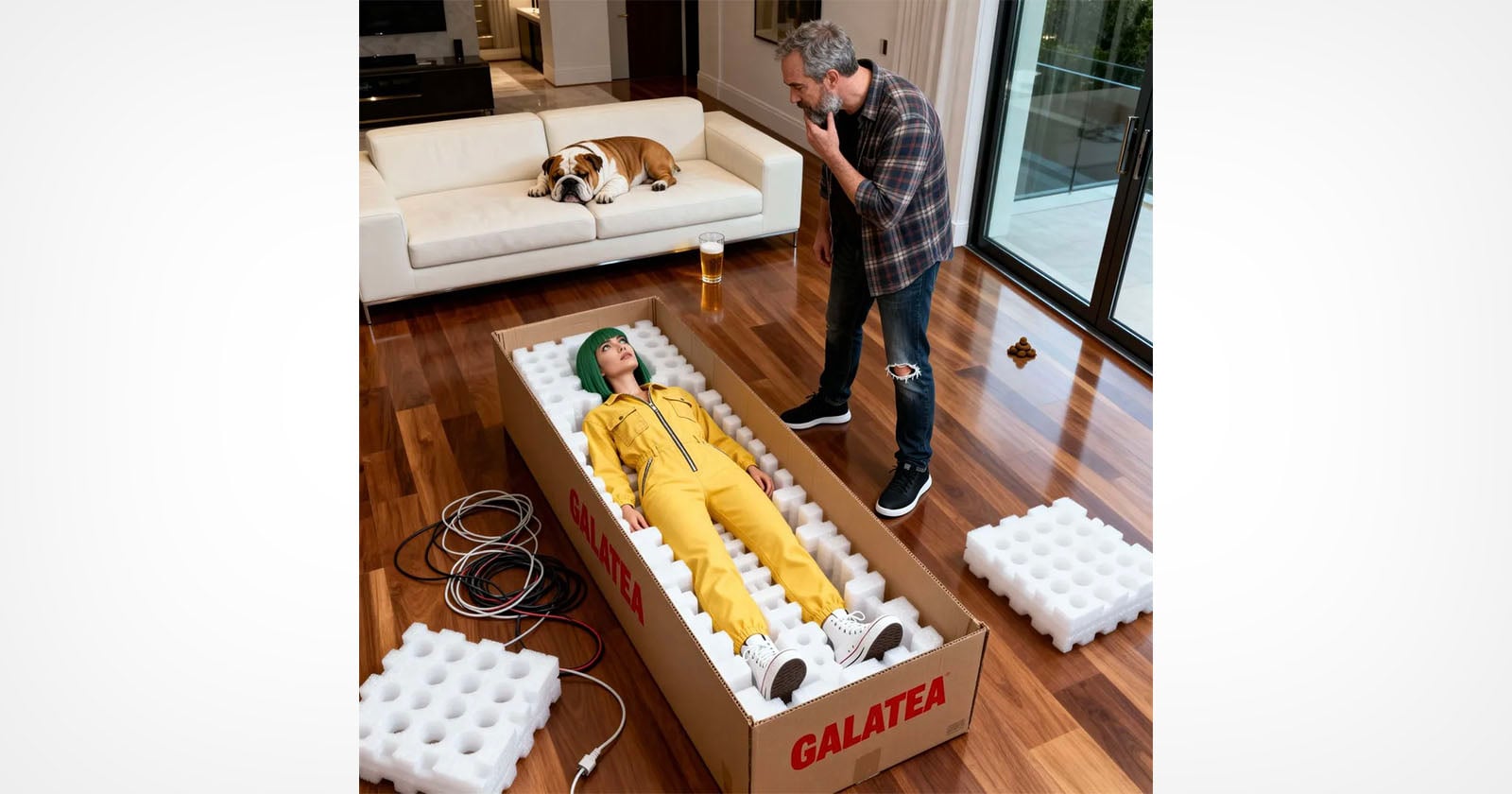
The recent uproar surrounding a Belfast photography gallery’s decision to exhibit AI-generated images highlights a growing tension within the creative landscape, a tension we’ve been observing closely. The immediate backlash underscores the deep-seated value placed on human artistry and the tangible process of photographic creation. It's a debate mirroring broader anxieties about the increasing prevalence of AI in various creative fields, anxieties fueled by the rapid advancements we've seen just in the past few years. Consider the recent introduction of the "Seems Like AI Slop" button on LinkedIn – a clear indication of the public’s growing skepticism and desire for transparency regarding AI-generated content. This incident isn't an isolated event; it’s a symptom of a larger reckoning as traditional art forms grapple with a technology that can seemingly replicate their output. The conversation is further complicated by the celebration of traditional photographic techniques, as evidenced by Nikon's recent anniversary and their showcase of photomicrography Nikon Celebrates 101 Years of Microscopes With Look at the Hidden World of Photomicrography, a testament to the meticulous skill and artistry inherent in capturing the world through a lens.
The anger directed at the gallery isn't simply about the presence of AI art; it’s about the perceived blurring of lines between human creativity and algorithmic generation. The core of the issue lies in the expectation that a photography exhibition should showcase the result of a deliberate, often painstaking, artistic process – a process involving intention, skill, and a unique perspective. AI, in its current form, operates differently, drawing on vast datasets to generate images based on patterns and prompts. While the artist using the AI may have curated the prompt and selected the final output, the fundamental act of creation is arguably removed from the traditional understanding of photography as a medium of human expression. This challenges the very definition of photography and raises questions about authorship and originality – questions that photographers have been wrestling with since the advent of digital manipulation, but which are now amplified by the speed and sophistication of AI. It’s worth noting, too, the emotional weight photographers invest in their work, something powerfully demonstrated in the recent series showcasing the most painful and hopeful images they’ve ever taken Photographers Reveal the Most Painful and Hopeful Images They’ve Ever Taken.
However, dismissing AI art entirely is a shortsighted response. The technology presents opportunities for new forms of creative expression, allowing artists to explore uncharted territories and push the boundaries of visual storytelling. The key, perhaps, lies in transparency and a willingness to engage in thoughtful dialogue about the role of AI in the art world. Galleries and institutions have a responsibility to curate ethically and to clearly label works generated by AI, allowing audiences to make informed judgments. Rather than viewing AI as a replacement for human artists, we should consider it as a tool—albeit a powerful one—that can be used to augment and expand creative possibilities. The debate shouldn't be about *whether* AI should be exhibited, but *how* it should be presented and contextualized within the broader art ecosystem. The Belfast incident serves as a crucial reminder that navigating this new technological landscape requires sensitivity, clarity, and a commitment to upholding the values of artistic integrity.
Looking ahead, the legal and ethical frameworks surrounding AI-generated art will need to evolve rapidly to address issues of copyright, ownership, and attribution. The very definition of "art" itself may be challenged and redefined as AI continues to advance. What happens when AI can convincingly mimic the style of a renowned photographer? Will the market value of human-created art diminish? And perhaps most importantly, how do we ensure that AI serves as a catalyst for creativity rather than a homogenizing force, stifling the unique voices and perspectives that make the art world so vibrant and compelling? The answers to these questions will shape the future of art and the role of the artist in a world increasingly shaped by artificial intelligence.
A photography gallery in Belfast has come under fire for hosting an exhibition that featured one artist who submitted a series of AI images.
Read on the original site
Open the publisher's page for the full experience