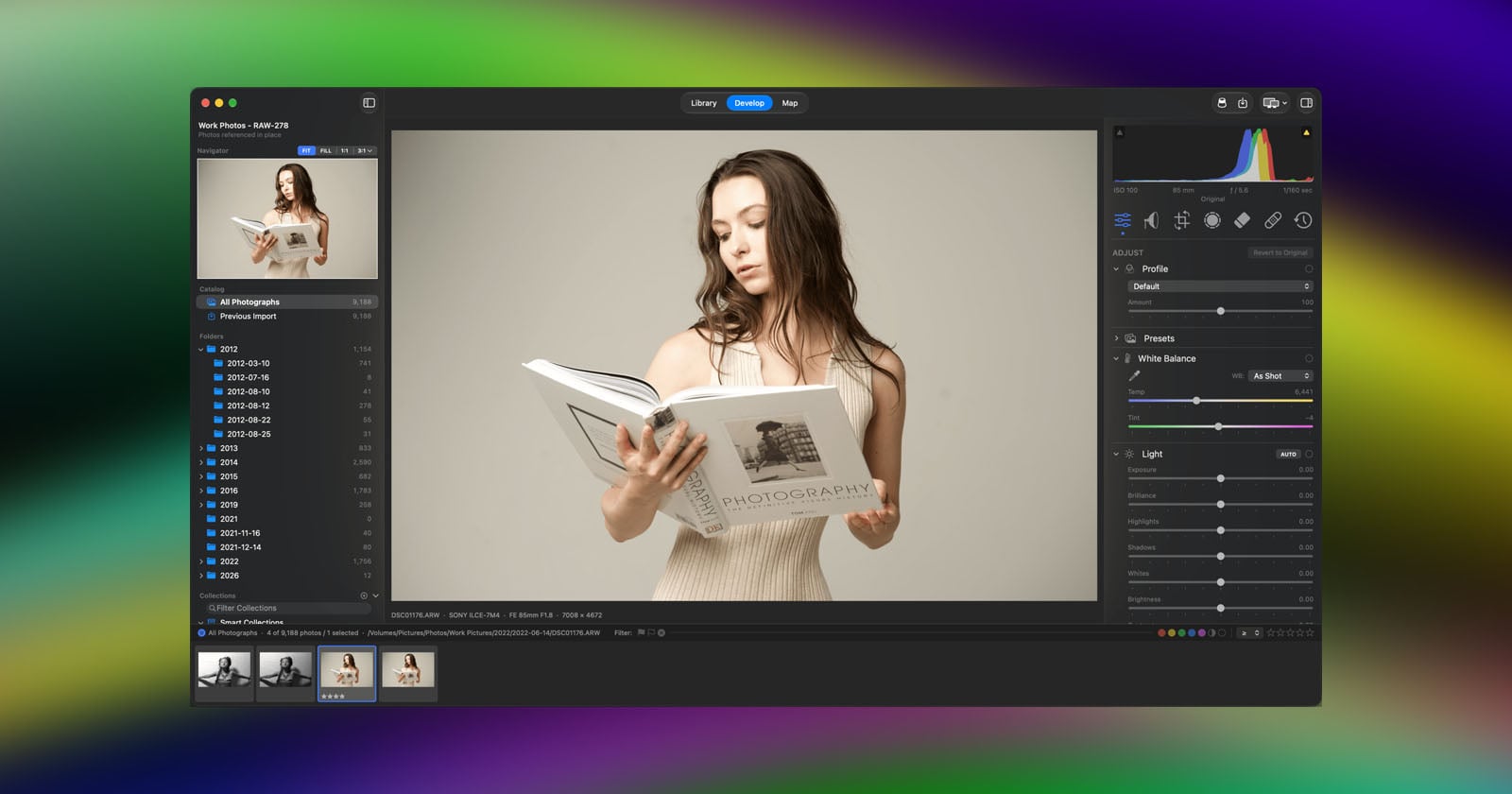
There's something quietly radical about a free, open-source photography app built natively for macOS that dares to take on Adobe Lightroom. PixelLoupe isn't trying to be a clone, it's offering many of the same editing and asset management tools without the subscription, without the bloat, and without asking you to hand over your workflow to a corporate ecosystem. For creatives who have long felt the tension between artistic freedom and the tools required to realize it, this feels less like a product launch and more like a proposition.
We've seen this story play out before in different corners of the creative world. Adobe recently exchanged complimentary access for curated discounts, tightening the relationship between its software and its marketplace. Meanwhile, DxO's latest edits find faces, depth, and film glow in a single stroke, proving that innovation in photo editing isn't exclusive to the biggest player. PixelLoupe enters this landscape not as a challenger trying to win on features alone, but as an invitation to reconsider what a photography tool should be. It's built for the Mac, it's free, and it's open-source, three qualities that together signal a philosophy more than a spec sheet.
What this means in practical terms is that a photographer or creative director can now build a post-production workflow without committing to a monthly fee or a closed system. That matters because the tools we choose shape the way we see. When a platform controls access to your edits, your catalog, and your output, it also controls the rhythm of your creative process. PixelLoupe offers an alternative rooted in transparency and ownership. It's not asking you to trust a brand; it's asking you to trust a community. And for anyone who has ever felt the pinch of a subscription price hike or the anxiety of migrating a decade of edits to a new platform, that's a meaningful shift.
The open question is whether PixelLoupe can sustain the polish and reliability that professionals expect. Lightroom's value isn't just in its sliders, it's in its ecosystem, its speed, and its decades of refinement. A native macOS app built by a smaller team may deliver elegance, but it also carries the weight of expectation. The detail to watch is how PixelLoupe handles asset management at scale, because that's where most free tools stumble. If it can match Lightroom's organizational rigor while remaining open and free, it won't just be a nice alternative, it will be a statement that the future of creative software doesn't have to come with a monthly bill.