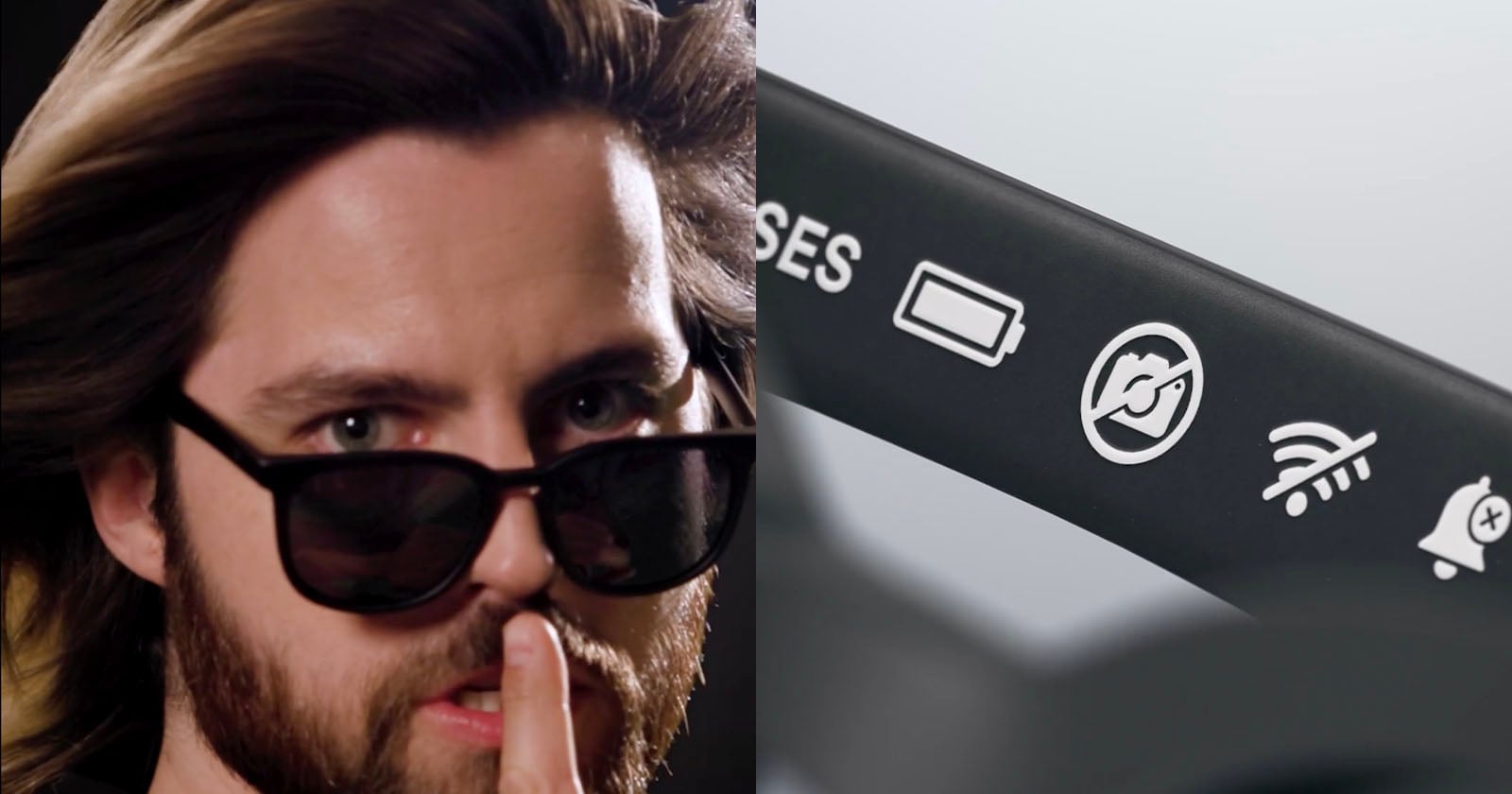
There is a particular kind of rebellion in doing nothing. While the rest of the tech world races to embed cameras, microphones, and neural processors into every frame we wear, DuckDuckGo has answered with a pair of sunglasses that are gloriously, defiantly inert. The company's "smart glasses" have no camera, no AI, no electronics whatsoever. They are simply shades. In an era where every device wants to know us better than we know ourselves, this is not a retreat; it is a considered stance. It is a reminder that the most private moment is the one that never happens, the one that leaves no digital trace.
We see a clear throughline here to the creative philosophies we admire in other corners of the visual world. Consider the quiet allure of Embrace the Drama: Exploring the Allure of Ultra-Low ISO Film, where restraint becomes a tool for expression, or the way Elevate Your Vision: PolarPro’s Radial Filters Reimagine In-Camera Color champions the art of getting it right at the moment of capture rather than fixing it later. Both of those stories champion a kind of intentional limitation, a choice to work with constraints that force a purer result. DuckDuckGo is applying that same logic to the hardware on your face. By stripping away the "smart," they are asking us to consider what we actually need from the objects we wear. The answer, it seems, is often just a good pair of sunglasses.
For our readers, this is more than a novelty headline; it is a practical reminder that your attention is a currency. Every notification, every "smart" feature, is an invitation to leave the present moment. The article does not tell us how these glasses perform in direct sunlight, but it does not need to. The point is not the lens; it is the frame of mind. We would tell anyone asking about this that the most significant upgrade here is not technological but experiential. It is about reclaiming a sense of presence that has been quietly negotiated away by the very tools designed to enhance our lives. The absence of a battery means the absence of a deadline, the absence of a reason to look away.
This move will not stop the juggernaut of augmented reality, nor should it. But it offers a counter-narrative, a moment of friction in a market that assumes more is always better. The specific detail to watch is whether this becomes a marketing stunt or a genuine product category. If DuckDuckGo follows through, they might just prove that the next big thing in wearables is the permission to wear nothing smart at all. That is a future we can all see clearly.