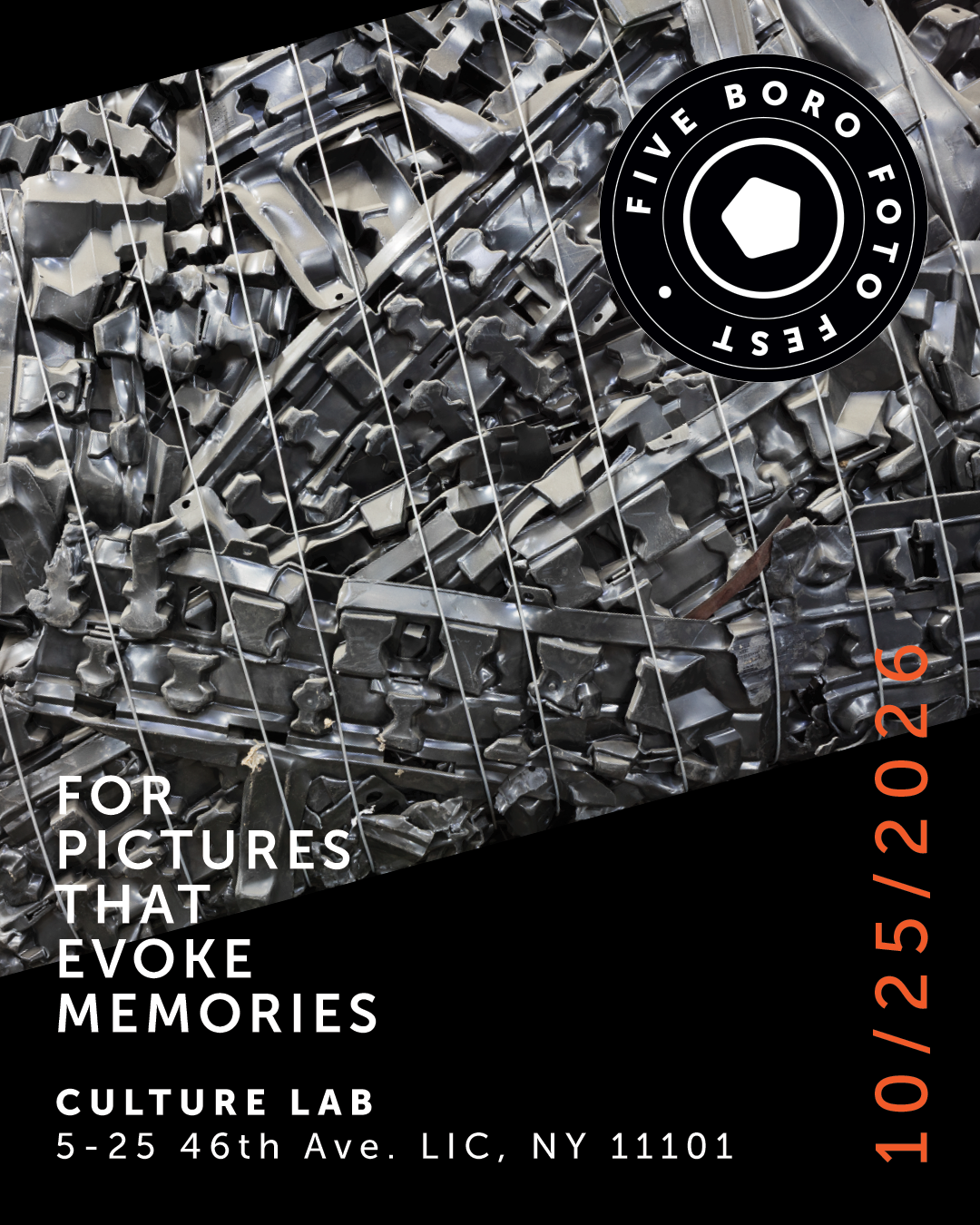
There is something quietly radical about a festival that asks you to put down your phone and look at a photograph printed on paper. The 5 Boro Foto Fest arrives with a simple proposition: real photographers, real prints, no algorithms. In a cultural moment where we are told to celebrate the speed of generative AI and the convenience of endless digital feeds, this event chooses slowness, craft, and human connection. It is not a rejection of technology, but a deliberate recalibration. For those of us who have watched the line between authentic artistry and machine-generated imagery blur, this feels less like a novelty and more like a necessary stand.
We recently covered how Adobe brought Lightroom and Photoshop inside Google's Gemini AI platform in Unlock Creative Power: Lightroom and Photoshop Now Within Gemini, a move that promises efficiency but also raises questions about where the human hand ends and automation begins. And we saw the consequences of that blurred boundary when a CEO posted an AI-edited family photo and faced an unexpected exit in Aspirational Image, Unexpected Exit: CEO Departs After AI Photo. These stories exist on the same spectrum. The 5 Boro Foto Fest positions itself as the counterpoint: a space where the artist's eye, not a prompt, determines the frame. For our readers who value both form and function, this is not just an event, it is a declaration of values.
What does this mean for you in practical terms? If you are a creative collaborator or a health-conscious enthusiast who curates your environment with intention, this festival offers something increasingly rare: the chance to own a piece of art that was made by a person standing in a real place, waiting for the right light. The sustainability angle is not a marketing tagline. By supporting printed photography sold directly by the artist, you are voting for an industry that values craftsmanship over content churn. The takeaway worth quoting: *Every print bought at the 5 Boro Foto Fest is a vote against the algorithm and for the artist who waited for the moment.*
The open question is whether this model can scale. Festivals like this rely on community and physical presence, which are precisely the things that algorithms cannot replicate. The detail to watch is how the organizers balance exclusivity with accessibility. If they keep the focus on authentic human artistry and avoid the trap of becoming just another curated marketplace, this could become a blueprint for how we value photography in a post-AI world.