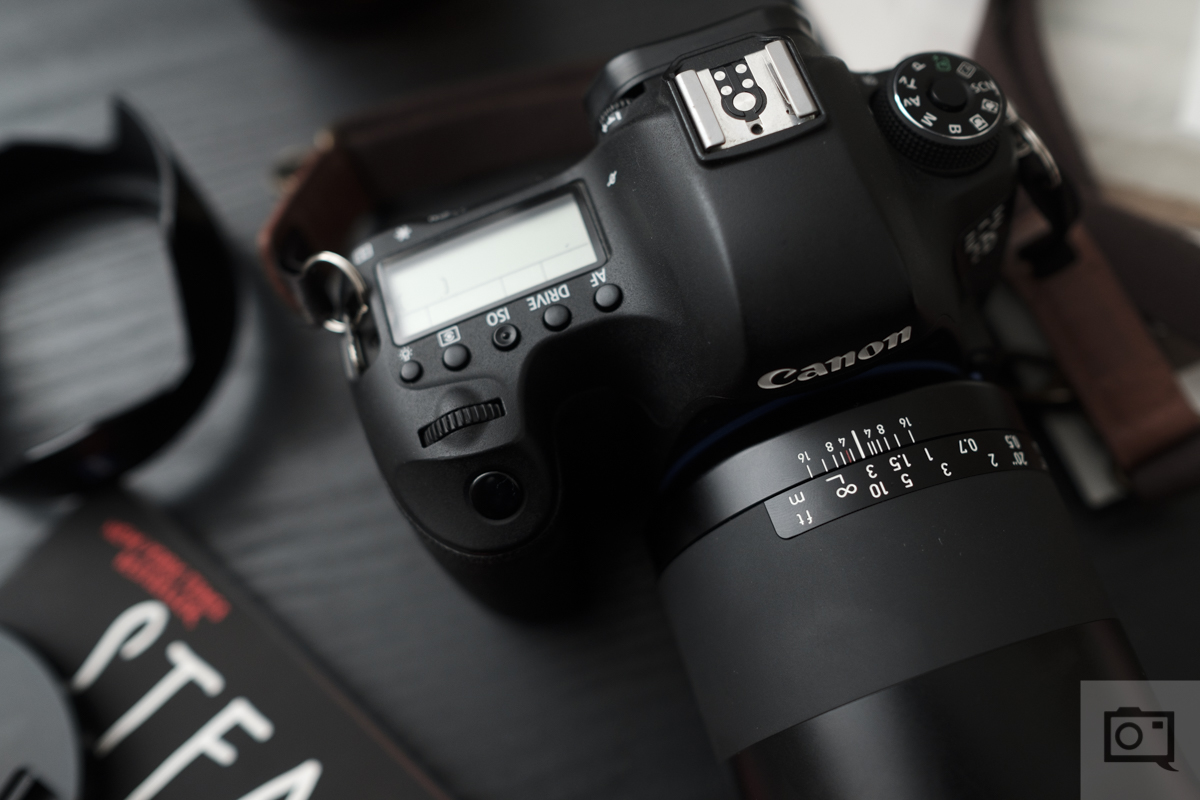
There is a quiet grief in watching a skill dissolve. We outsource the physical memory of a task, and somewhere along the way, the mental map fades with it. The argument that autofocus and AI erode our photographic instincts is not a Luddite's lament; it is a simple truth about muscle memory and attention. When a camera decides where the sharpness lands, we stop making the case for why it should land there. We stop leaning forward, squinting, and negotiating with the light. Instead, we let the machine hand us a version of the world that is technically clean but intellectually lazy.
This is why the piece on manual focus resonates as a quiet rebellion. It is not about rejecting modern tools, but about remembering that the tool should never do the thinking for you. The same impulse that makes us reach for a washing machine instead of a washboard is the impulse that lets a sensor choose the subject's eye over the curve of their jaw. And while convenience is a comfort, it is also a thief of craft. We would tell any photographer, whether they shoot for a living or for the love of it, that the act of turning the ring until the edges snap into place is a meditation. It forces a conversation with the scene. You are not just capturing a moment; you are negotiating with it.
There is a curious parallel in the news around us. We see the same tension playing out in the Aspirational Image, Unexpected Exit: CEO Departs After AI Photo, where a leader's reliance on an algorithmically polished image became a story about authenticity, not aesthetics. And when Unlock Creative Power: Lightroom and Photoshop Now Within Gemini promises to fold your entire workflow into a prompt, the allure is real. But the question is not whether you can. It is whether you still know how to see. Manual focus is not a regression; it is a resistance. It is a deliberate pace in a world that wants you to shoot first and compose later.
So what do we actually take from this? The takeaway is not to throw your autofocus lens into the sea. It is to spend one hour a week with a manual lens and a still subject. Let the subject move. Let the light change. Force yourself to miss the focus, then chase it back. Because the skill you are rebuilding is not just optical; it is observational. You are retraining your eye to notice the exact millimetre where sharpness becomes intention. That is a muscle you will feel in your hands and your patience. And if you can do that, you will walk into any automated future with the one thing the machines cannot generate: a point of view. The question we are left with is not whether autofocus will fail you, but whether you still trust your own hands enough to know when it has.