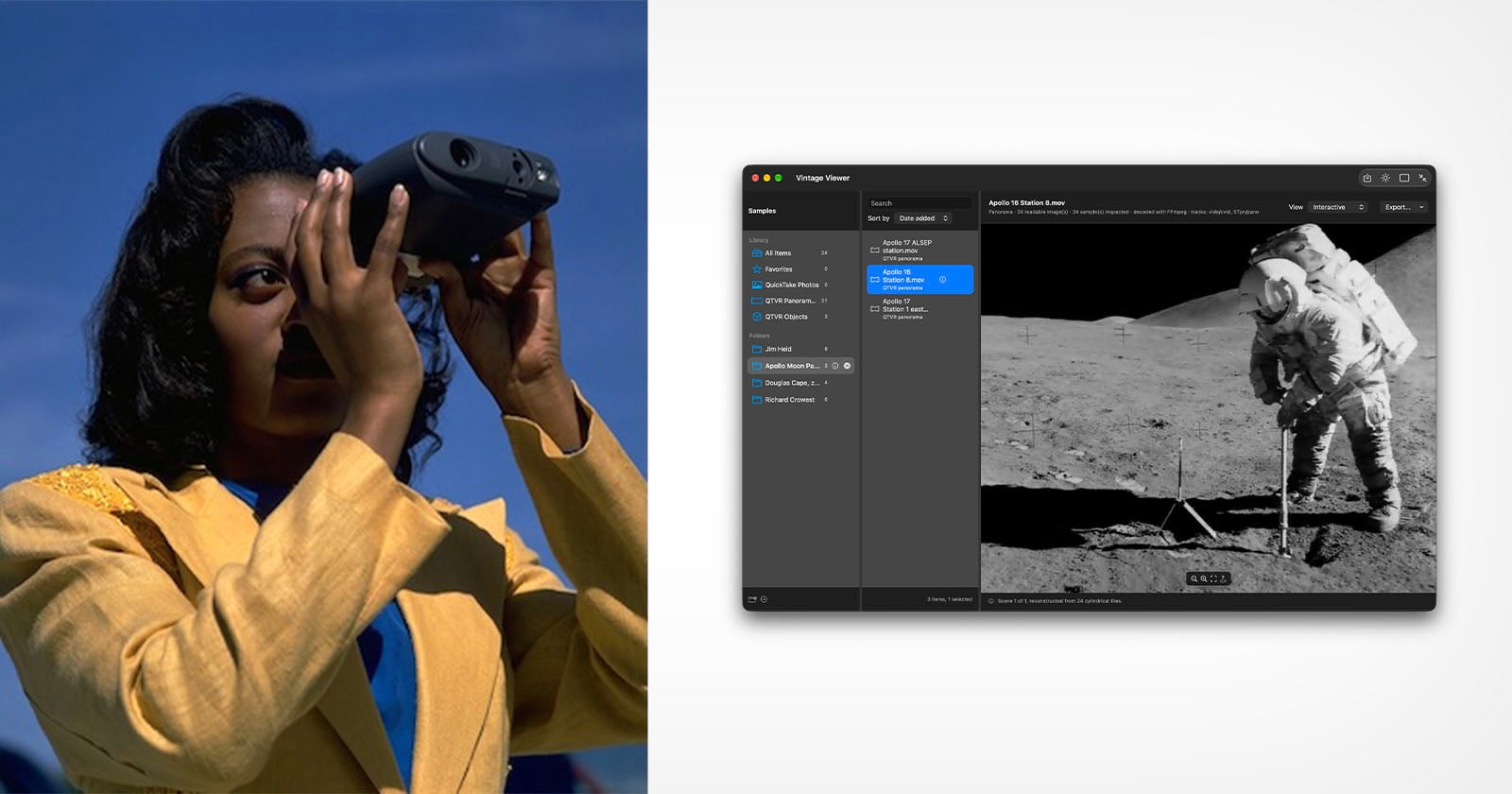
The 1990s gave us the raw, unfiltered visual language of the digital age, and we are only now realizing how much we almost lost it. That decade, of Bill Clinton, *The Simpsons*, and the chaotic thrill of Napster, was also the moment personal digital photography and computer video became ours to command. It was messy, pixelated, and wonderfully imperfect, and its visual soul deserves more than a nostalgic sigh. For creators and collectors who curate their worlds with intention, rediscovering this era is not about retro kitsch; it is about reclaiming a foundational aesthetic that modern polish has sanded smooth.
Consider the tools we now take for granted. The glossy, silent precision of a modern editing suite is a marvel, but it can feel sterile compared to the tactile, forgiving grain of early digital capture. As we explored in our look at **Touch the Future of Editing as DaVinci Resolve Meets Apple's New Touchscreen Mac** , the latest hardware invites us to touch the image itself, to sculpt it with a physical gesture. That impulse, to feel the work, is a direct echo of the 90s, when a video editor's hand was on a jog wheel and every pixel was a hard-won victory. The difference is that today's technology grants us the power to revisit that raw energy with a level of control that era never had. We are not going back; we are bringing its spirit forward.
This is where the distinction between refinement and reinvention becomes critical. A machine like the **The M6 iMac Refines Its Craft Without Redesigning the Canvas** proves that iterative polish has its place, but it rarely moves the soul. The 90s did not refine, it invented. The first digital point-and-shoot cameras were clunky and the video from a personal computer was a postage-stamp-sized miracle, but they broke a barrier. They put the lens in our hands and the edit suite on our desks. That democratization is the thread that connects the grainy QuickTime movie of a friend's birthday to the cinematic short film cut on a laptop today. The canvas was new, and we painted on it with whatever tools we could find.
The takeaway is a direct challenge to the creative community: do not let the pursuit of perfection erase the texture of discovery. The 90s visual archive is not a museum piece; it is a source code for authenticity in an age of algorithmic sheen. As the **M5 Max MacBook Pro trades raw power for a touch of elegance** , it signals that even the most powerful machines are now chasing a feeling. The real question is whether we, as makers, will honor the imperfect, vibrant, human mess of that early digital soul, or let it be smoothed into a generic, high-definition memory.