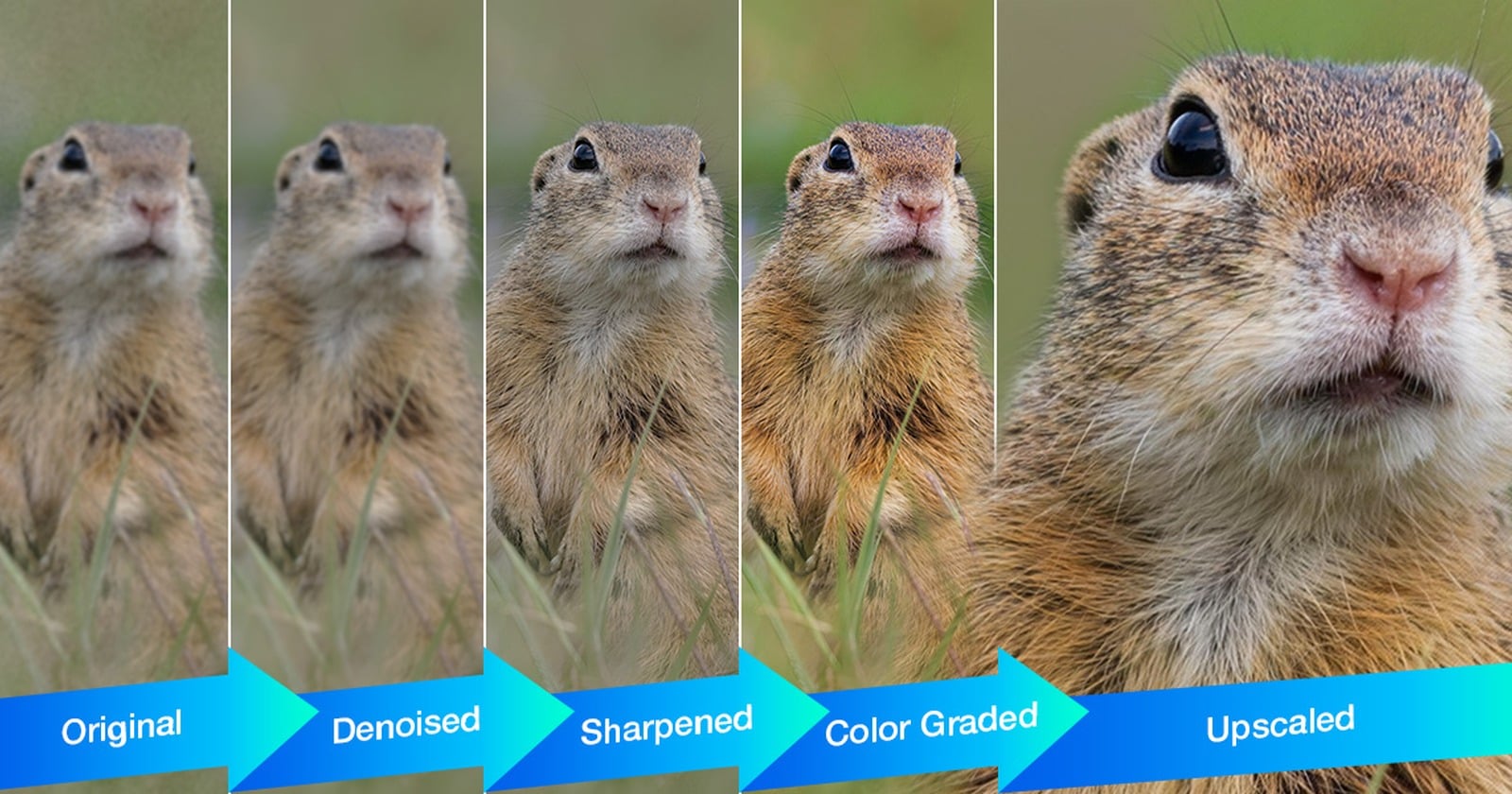
There is no shame in needing to refine a wildlife photograph. The notion that a great shot must emerge perfect from the camera is a romantic myth that ignores the reality of light, distance, and the uncooperative nature of wild subjects. A meerkat at ISO 3200, a bird's eye that landed a touch soft, a deer cropped and blown up from a distant frame, these are not failures. They are raw material. The real artistry begins when you decide how much to intervene without turning fur into plastic or feather into wax.
This is where we find ourselves at a compelling crossroads, and it mirrors tensions we have seen elsewhere in creative work. Consider how PixelLoupe Brings Free, Elegant Photo Editing to Mac Creatives reimagines the editing workflow as something native and intuitive, stripping away the clutter of bloated software. And think of how Each Hua Lens Tells Its Own Story, a Curated Tribute to Vintage Optics celebrates the character that imperfection brings to an image. The through line is clear: precision matters, but so does soul. Our opinion is that the best approach to cleaning up a compromised wildlife shot is not to erase its flaws but to quiet them, to reduce noise without smoothing the texture of the animal's coat, to sharpen an eye without making it look like glass.
The practical takeaway for anyone shooting wildlife is this: learn the difference between restoration and fabrication. Your goal is to recover what was already there, not to invent what was not. When you reduce grain from that high-ISO meerkat, you are not making it look like a studio portrait. You are removing the digital veil so the animal's actual expression, its alertness, its wariness, can be seen clearly. When you sharpen a soft focus, you are not adding detail that never existed. You are clarifying edges that the lens and motion already captured. The moment you start painting in new fur patterns or altering the shape of a beak, you have left photography and entered illustration. That is a valid art form, but it is not this one.
The risk we see, particularly as AI tools become more aggressive in their suggestions, is that the line blurs. A one-click "enhance" can turn a real animal into a generic, airbrushed version of itself. That is where we lose the wild. The deer that was too far away should still look like it was in a field, not a green screen. The grain should feel like atmosphere, not noise. This is the same instinct that makes a vintage lens desirable, the subtle chromatic aberration, the slight falloff at the edges. Imperfection, curated well, is truth.
So the specific consequence to watch is how the next generation of editing software handles this tension. Will it offer tools that respect the original capture, or will it nudge users toward a polished unreality? For now, the responsibility rests with the photographer. Choose your edits the way you choose your lens: with a clear sense of what you want the image to say. If it says "real," then let the wild stay a little rough.