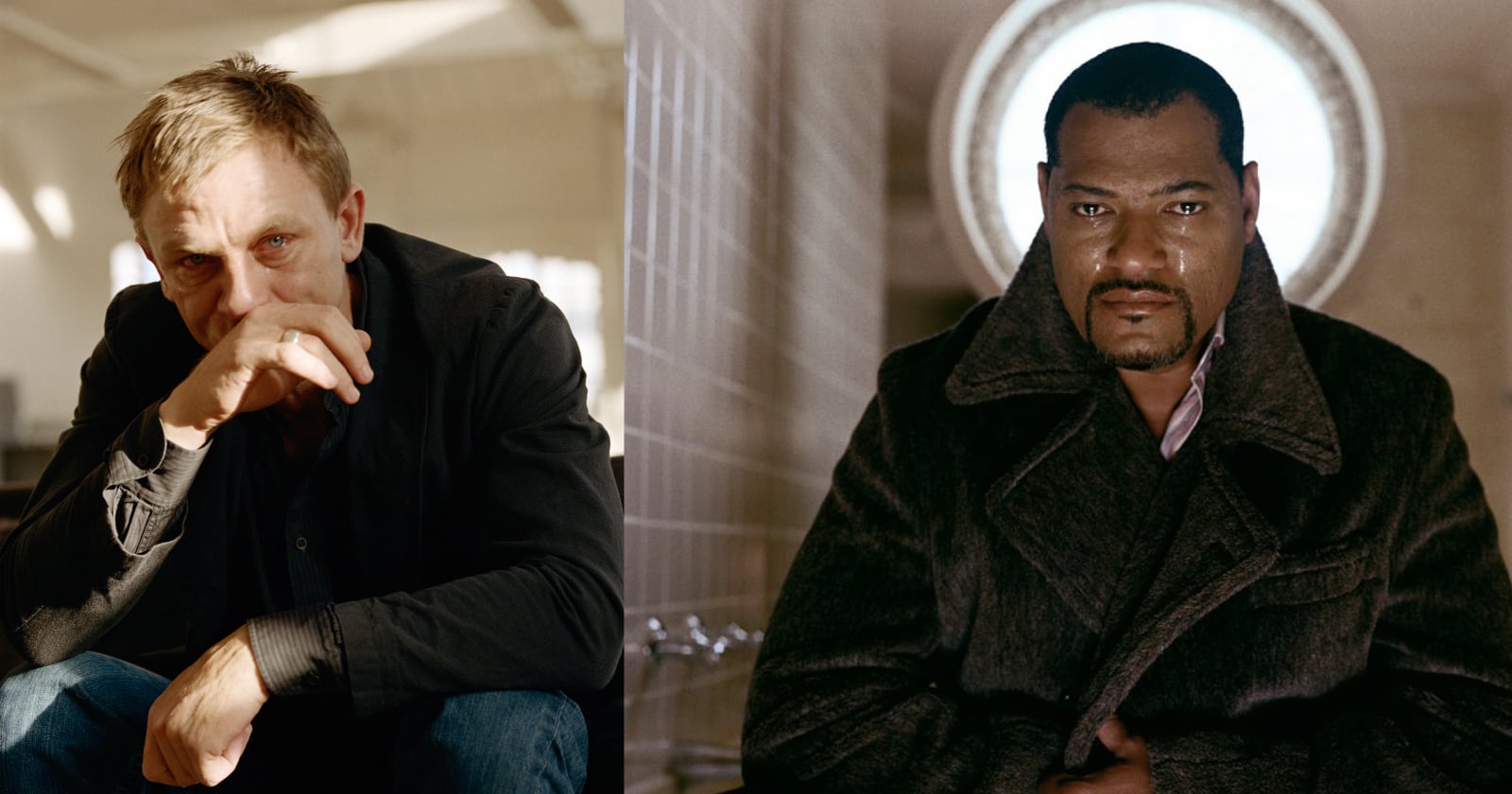
There is something profoundly unsettling and deeply beautiful about a man crying, and Sam Taylor-Johnson has always understood that tension better than almost anyone working in photography today. Her *Crying Men* series, now taking center stage in a curated retrospective of her career-defining work, is not merely a collection of portraits. It is an immersive study of vulnerability rendered with an artistic sensibility that refuses to look away, and we believe this exhibition matters because it forces us to reconsider what strength actually looks like in a culture that often rewards emotional restraint.
The series captures Hollywood actors, men whose public personas are built on control, charisma, and composure, in moments of deliberate, unguarded weeping. There is no narrative context, no explanation for the tears, only the raw fact of them. This is the kind of elevated, authentic work that challenges the ordinary boundaries between performance and truth, between the curated image we project and the authentic self we hide. It reminds us that luxury, in its truest sense, is not about what you own but about what you are willing to reveal. In a similar spirit of uncovering hidden narratives, A curated portrait reveals the hidden story of New York's first Black attorney demonstrates how a single image can rewrite history, while A rare Leica prototype lands in the unexpected aisles of Goodwill proves that extraordinary artistry often appears in the most unlikely places. Taylor-Johnson's work belongs in this same lineage of images that demand we look closer.
For our readers, those who appreciate the intersection of artistic depth and vibrant lifestyle energy, this retrospective offers something more than a gallery visit. It is an invitation to explore how vulnerability can be a form of strength, how the act of crying can be as aspirational as any perfectly curated wardrobe or morning fitness ritual. The practical takeaway here is simple but powerful: the next time you encounter a piece of art that makes you uncomfortable, lean in. That discomfort is often where the most authentic connection lives. Taylor-Johnson's actors are not performing weakness; they are performing the courage to be seen. That is a lesson that translates directly from the gallery wall into how we approach our own lives, our own wellness, and our own creative collaborations.
The exhibition does not offer easy answers or tidy resolutions. Instead, it leaves us with a specific, lingering question: what would it mean to approach our own public and private selves with that same level of curated honesty? As the *Crying Men* series takes its rightful place in this career-spanning retrospective, we are left to watch for how this work will influence the next wave of portrait photography and, more importantly, how it might shift the cultural conversation around masculinity and emotional expression. That is the detail worth tracking, not just the art itself, but the ripples it sends through the worlds of fashion, wellness, and identity that we navigate every day.