Scientists Warn Wildlife Photographers’ AI-Enhanced Bird Photos Could Threaten Research
Our take
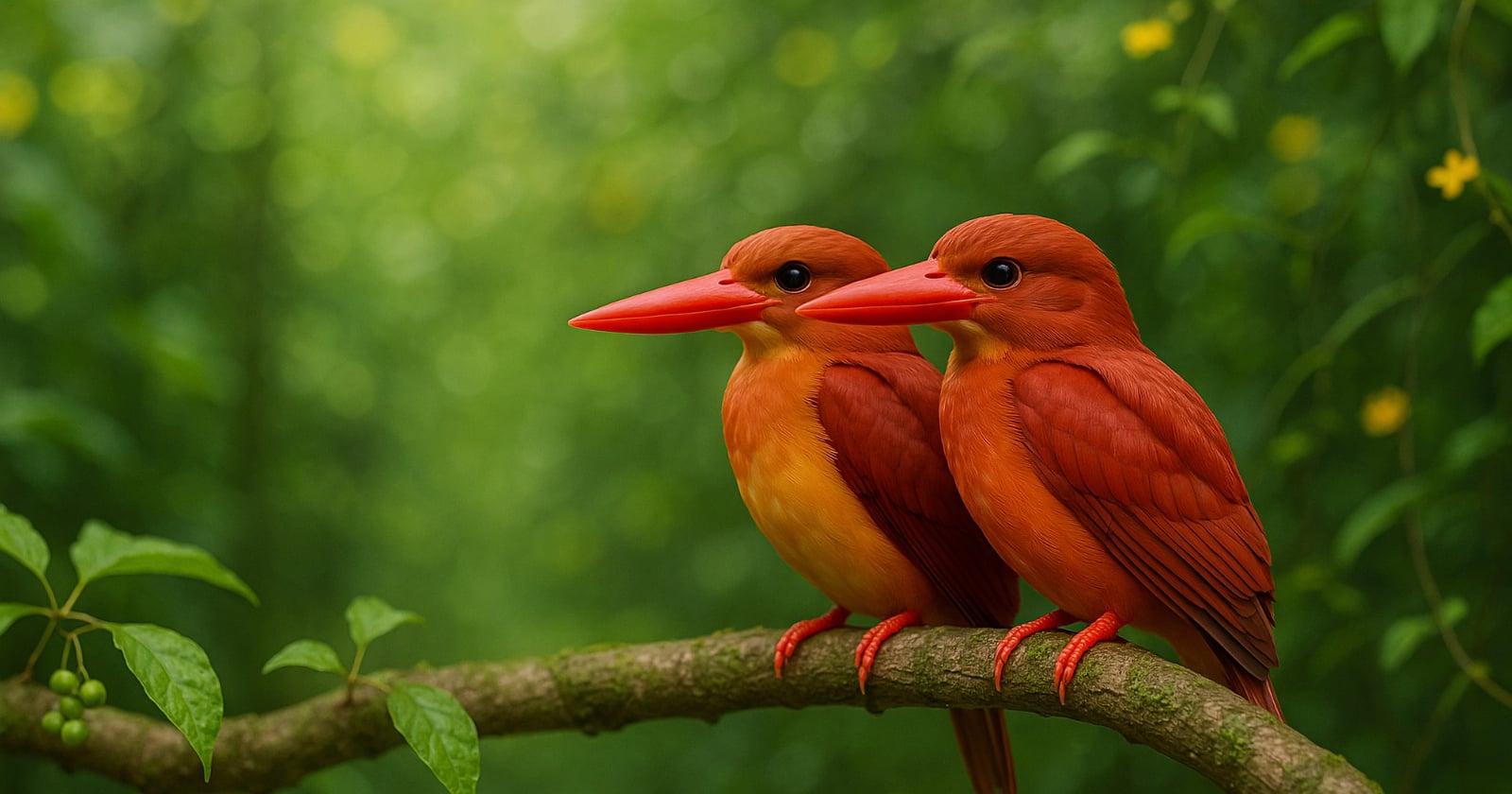
The convergence of artificial intelligence and creative pursuits continues to reshape our world, and a recent cautionary tale highlights a potential pitfall within the realm of wildlife photography and scientific research. Scientists are raising concerns that the increasingly sophisticated AI editing tools embraced by photographers seeking the perfect, shareable image could inadvertently compromise the integrity of bird research data. This isn’t simply about aesthetic manipulation; it’s about the potential to alter visual records that scientists rely upon to track populations, understand behavior, and assess conservation status. The implications are far-reaching, echoing concerns we’ve seen in other fields leveraging AI, such as the recent recreation of Pelé's lost goal AI Recreates the Goal Pelé Said Was His Greatest Ever But Wasn’t Filmed, demonstrating both AI's power and the need for careful consideration of its use. Similarly, the meticulous work of astronomers uncovering hidden planets Researchers Used Two Telescopes to Discover a Planet Hidden In Plain Sight underscores the critical reliance on accurate data – a principle equally threatened by AI-altered imagery in the avian world.
The core of the issue lies in the subtle, yet potentially impactful, alterations AI can make. While seemingly innocuous enhancements—sharpening details, adjusting colors, or even subtly modifying plumage patterns—can create a misrepresentation of a bird’s appearance. This distortion could lead researchers to draw inaccurate conclusions about species identification, size variations within a population, or even behavioral characteristics. For instance, a slight alteration to a bird's beak shape could be interpreted as an evolutionary change over time, when in reality, it’s simply a digital fabrication. The ease with which these alterations can be made, and the increasingly realistic nature of AI-generated content, makes detection challenging, even for experts. The rise of tools that can convincingly mimic natural textures and lighting conditions further complicates the matter, blurring the line between authentic documentation and digitally constructed realities. It's a critical juncture where the pursuit of visually stunning images must be balanced against the responsibility to maintain scientific rigor.
The challenge isn't to demonize AI or discourage wildlife photography; rather, it’s to foster a greater awareness of the potential pitfalls and to develop guidelines for responsible AI usage within the field. Perhaps a system of metadata tagging—clearly indicating when and how AI has been used to enhance an image—could provide a crucial layer of transparency. Open-source tools for detecting AI-generated content, though still in their nascent stages, also hold promise. Furthermore, fostering collaboration between photographers and scientists is essential. Photographers could be educated on the specific data needs of researchers, and scientists could work with photographers to explore ethical AI editing practices that minimize potential distortions. The Flashpoint XPLOR100 Pro II TTL The Flashpoint XPLOR100 Pro II TTL is a Joy to Use, a tool for enhancing imagery, exemplifies how technology can be used responsibly when its capabilities are understood and consciously applied.
Ultimately, this situation underscores a broader societal question: as AI becomes increasingly integrated into our creative workflows, how do we safeguard the integrity of visual records upon which we rely for scientific understanding and cultural preservation? The stakes are particularly high when it comes to documenting the natural world, which is increasingly threatened by environmental changes. The potential for even subtle distortions in these visual records to compromise conservation efforts is a sobering thought. Moving forward, a proactive and collaborative approach—one that emphasizes transparency, education, and ethical guidelines—will be crucial to ensuring that the power of AI enhances, rather than undermines, our ability to understand and protect the planet's biodiversity.
Scientists have warned that the increasing use of AI editing tools by wildlife photographers seeking the perfect image could threaten the reliability of bird research.
Read on the original site
Open the publisher's page for the full experience