The Flashpoint XPLOR100 Pro II TTL is a Joy to Use
Our take
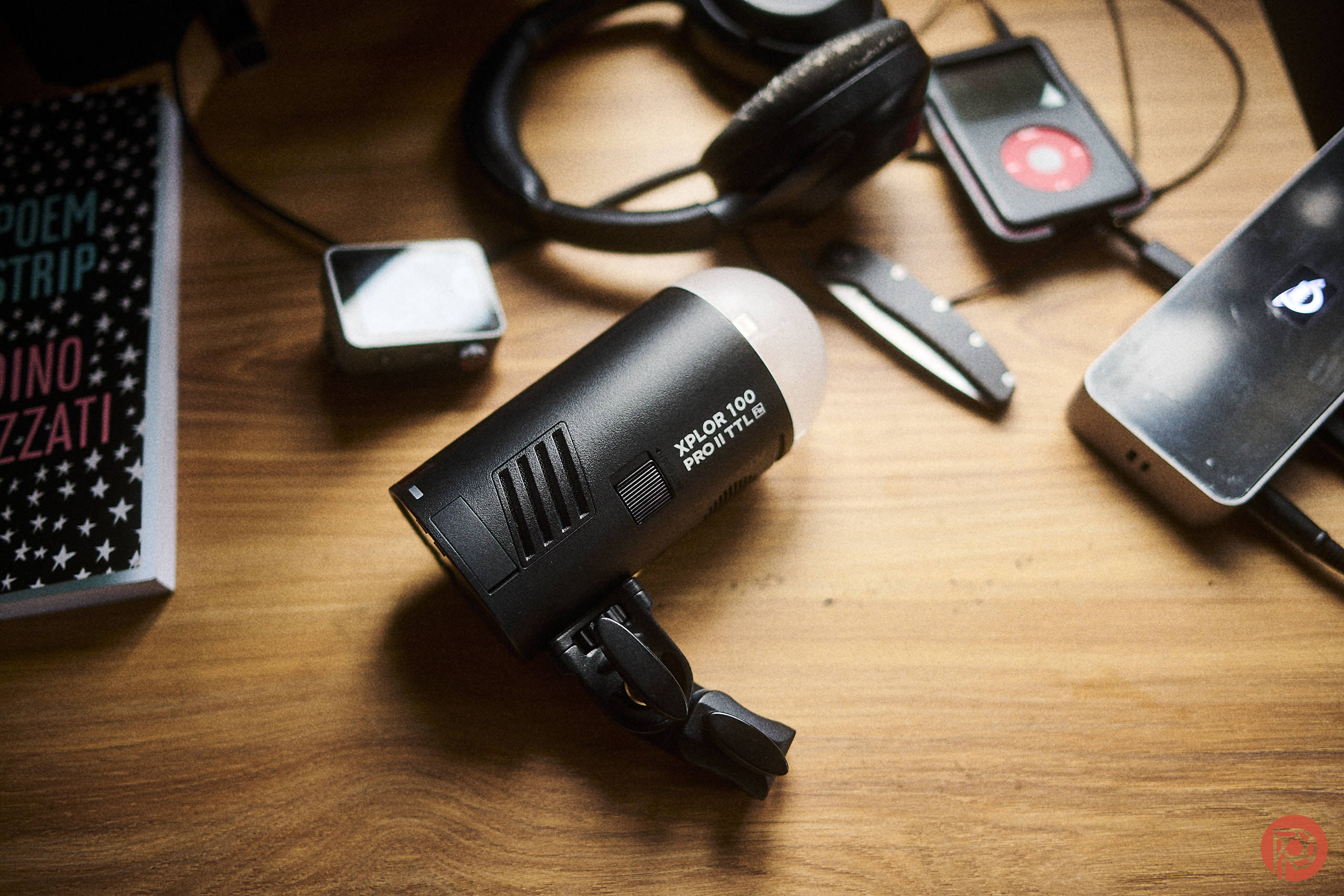
The photography world is often defined by its hierarchy – the established brands, the perceived quality tiers, and the unspoken assumptions about what constitutes "professional" equipment. For years, that hierarchy placed more affordable flashes firmly at the bottom, tools requiring significant post-processing intervention to achieve acceptable results. Seeing photographers struggle with subpar lighting at events always elicited a certain sympathy, a recognition of the extra work required to salvage the image. That perspective is undergoing a serious reassessment with the arrival of the Flashpoint XPLOR 100 Pro II TTL, as illustrated in a recent review. The claim that it’s effectively replaced a Profoto B10 is a bold one, certainly, but the implications are substantial. It speaks to a democratization of high-quality lighting that could fundamentally shift how photographers – particularly those on a budget or prioritizing portability – approach their craft. Consider, for instance, the challenges faced by creators shooting product videos in less-than-ideal environments; our guide on How to Light and Shoot Product Videos (In Your Dining Room) highlights the ingenuity required to overcome limitations—a situation the XPLOR 100 Pro II could significantly alleviate. Similarly, introducing younger generations to photography often necessitates accessible equipment, making recommendations like those in The 3 Best Used Cameras for Kids Under $500 even more relevant as they begin to explore lighting techniques.
The significance of this development extends beyond mere cost savings. It challenges the long-held notion that premium lighting necessitates a premium price tag. The XPLOR 100 Pro II’s performance suggests a potential paradigm shift, where innovation and engineering can bridge the gap between professional-grade results and more accessible tools. The review’s emphasis on the ease of use further strengthens this argument. TTL functionality, a cornerstone of modern photography, simplifies the lighting process, allowing photographers to focus on composition and subject rather than wrestling with complex settings. This is particularly valuable for event photographers or those working in dynamic environments where adjustments need to be made quickly and efficiently. It also mirrors a broader trend in creative tools—a move toward streamlining workflows and empowering creators with intuitive, user-friendly interfaces.
The impact on the broader photography ecosystem could be profound. Smaller studios and independent photographers, often burdened by limited budgets, now have access to a tool that can significantly elevate the quality of their work without breaking the bank. This, in turn, could lead to increased experimentation and creativity, as photographers are freed from the constraints of inadequate lighting. Even those exploring more unconventional photographic techniques, like experimenting with unconventional lenses – as evidenced by the wonderfully chaotic article What Happens When You Put a Sandwich Bag Over a Lens? – could benefit from more reliable and controllable light sources. The ability to consistently produce well-lit images reduces the reliance on extensive post-processing, saving time and resources while preserving image integrity.
Ultimately, the Flashpoint XPLOR 100 Pro II TTL’s emergence signals a compelling future for photography. It demonstrates that high-quality tools don’t have to be exclusive to those with deep pockets, and that innovation can come from unexpected places. As the price of professional-grade equipment continues to fall, and as technology advances, we can anticipate even more disruptive entrants into the market. The question now isn't whether more affordable, high-performing flashes will become the norm, but rather how quickly that shift will occur and what new creative possibilities it will unlock for photographers of all levels.
Read on the original site
Open the publisher's page for the full experience