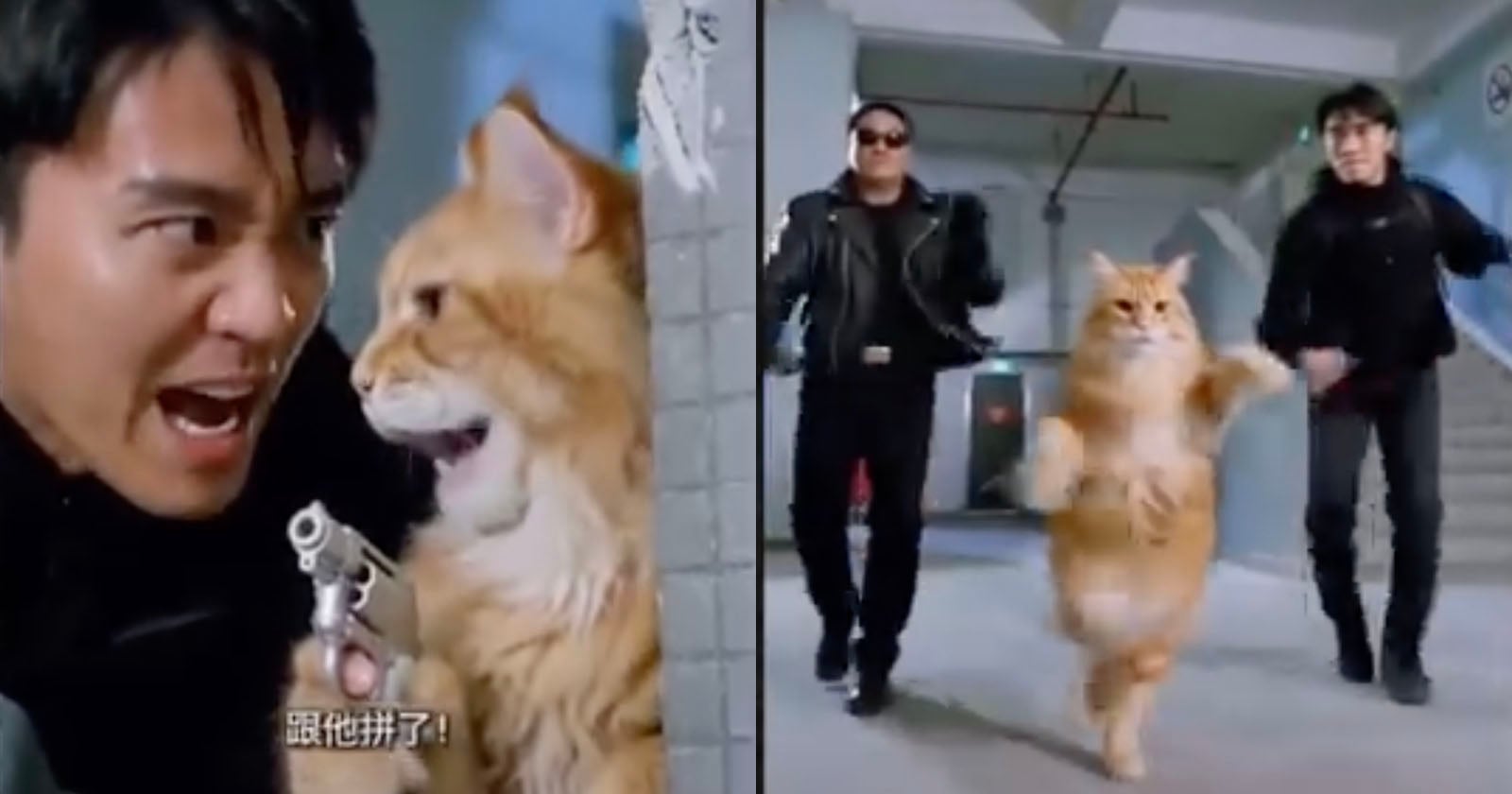
The news that Chinese microdramas, or duanju, are being challenged by AI is not a story about technology replacing art. It is a story about the tension between the manufactured and the authentic, a theme that feels increasingly urgent across every creative field. These vertical episodes, built on two-minute cliffhangers and absurd plot twists, are pure algorithmic confection. When AI can generate that confection faster and cheaper, the entire format reveals its own hollow core. It is a curious moment, watching a genre that was already engineered for maximum engagement get out-engineered by a machine.
This is where our perspective shifts from observation to a gentle warning. The same impulse that drives a viewer to binge a 100-episode duanju in one sitting is the impulse that rewards the cheap thrill, the instant gratification. We see this pattern echoing in other corners of the creative world. Consider the recent Aspirational Image, Unexpected Exit: CEO Departs After AI Photo, where a leader's credibility collapsed under the weight of a single, inauthentic image. Or look at how Unlock Creative Power: Lightroom and Photoshop Now Within Gemini hands professionals the tools to bend reality with ease. In each case, the question is not whether the tool can do the job, but whether the soul of the work survives the process. If a microdrama is just a string of algorithmically optimized beats, what is lost when an AI writes the next one?
For our readers, the practical takeaway is not to abandon the format, but to demand a different kind of value from it. The duanju that will survive the AI wave are not the ones that chase the algorithm, but the ones that offer a point of view, a texture, a human hand. We would tell a reader who asks, "Should I care?" this: care about the intention behind the work. If you are a creator, do not compete with the machine on its own terms. Instead, lean into what the machine cannot replicate: the messy, imperfect, and deeply personal choices that make a story feel like it had to be told. The AI can generate a hundred plot twists, but it cannot generate the reason you need to tell this story, right now, to these people.
The real battleground is not production speed; it is emotional resonance. As AI makes the generic even more generic, the premium will shift to the specific. The duanju that will cut through the noise are the ones that feel like a secret, a hand-written note in a world of mass-produced spam. Watch for the microdramas that embrace their limitations, that lean into the awkwardness of a human performance or the charm of a practical effect. The question in the coming months is not whether AI kills the microdrama, but whether audiences will start to crave the friction of authenticity over the smoothness of the algorithm. That is the detail to watch.