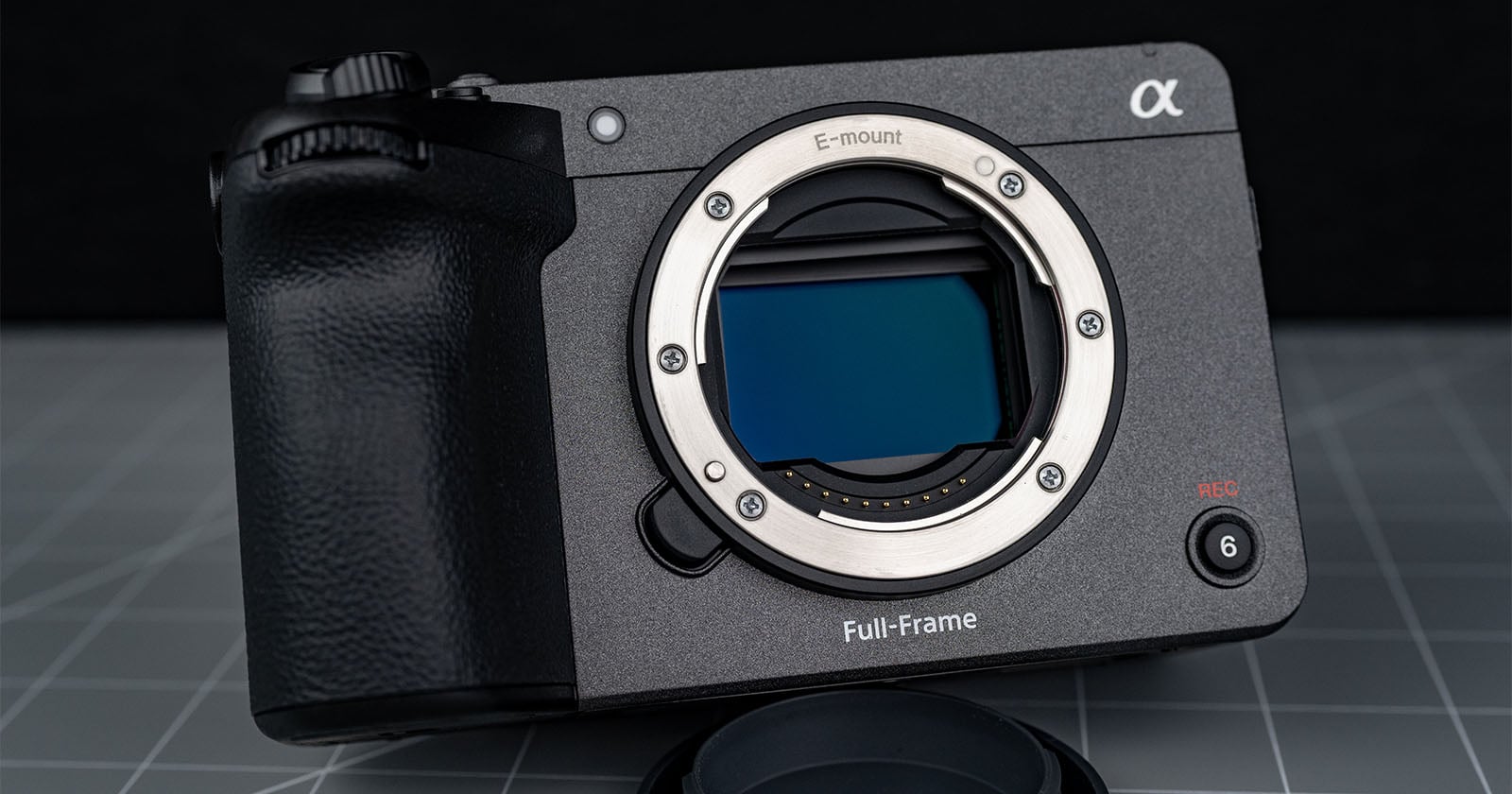
The Sony FX5 is the most exciting cinema-camera announcement in years, not because of its specs sheet, but because of what it signals. For creators who have spent the last decade chasing resolution charts and dynamic-range numbers, this arrival feels like a quiet invitation to return to what matters: the act of seeing.
This camera is landing in a cultural moment that is already asking us to reconsider the tools we romanticize. Our recent Revisiting the 5D Mk II Through a Curated Lens of Authentic Creativity explored the lingering emotional pull of a camera that, by modern standards, is obsolete. Yet the 5D Mk II still holds a place in our workflow and memory because it forced a certain kind of patience. The FX5 seems to understand that same impulse, it is not a camera designed to overwhelm you with options. It is a tool for filmmakers who want to move fast, stay present, and trust their eye rather than their post-production pipeline. That is a rare philosophy in a market that usually sells progress by the megapixel.
There is also something poetic about the timing. Sony has always had a curious relationship with its own legacy, as we noted in This Vintage Sony Still Holds a Curious Place in the Creative Frame. The company's best cameras often feel like they were built for a future that has not quite arrived yet. The FX5 feels different. It arrives in November, and the proximity of that date suggests Sony believes the market is ready, not just for a new sensor, but for a new kind of work. The practical implication for our readers is straightforward: if you have been waiting for a camera that balances cinematic richness with the ability to disappear into the background of your creative process, this is the moment to pay attention.
What we are not ready to do is call this a revolution. The FX5 will not make your compositions stronger or your storytelling more honest. It will, however, remove friction. And for artists who have spent years fighting menus, codecs, and bulky rigs, that removal is the kind of luxury that matters. The camera becomes a bridge rather than a barrier. We will know within weeks of its release whether Sony has honored that promise, but the direction is what compels us. It suggests that the industry is finally catching up to the quiet reality of how we actually work: not in cleanly lit studios with endless time, but in real spaces, with real light, and a need for authenticity that no amount of post-processing can fake.
The open question that stays with us is this: will the FX5 inspire a new generation of visual storytelling, or will it simply refine the picture quality of the stories we are already telling? Either outcome holds value. But we are watching closely, because the answer will tell us whether we are entering an era of better gear or better seeing.