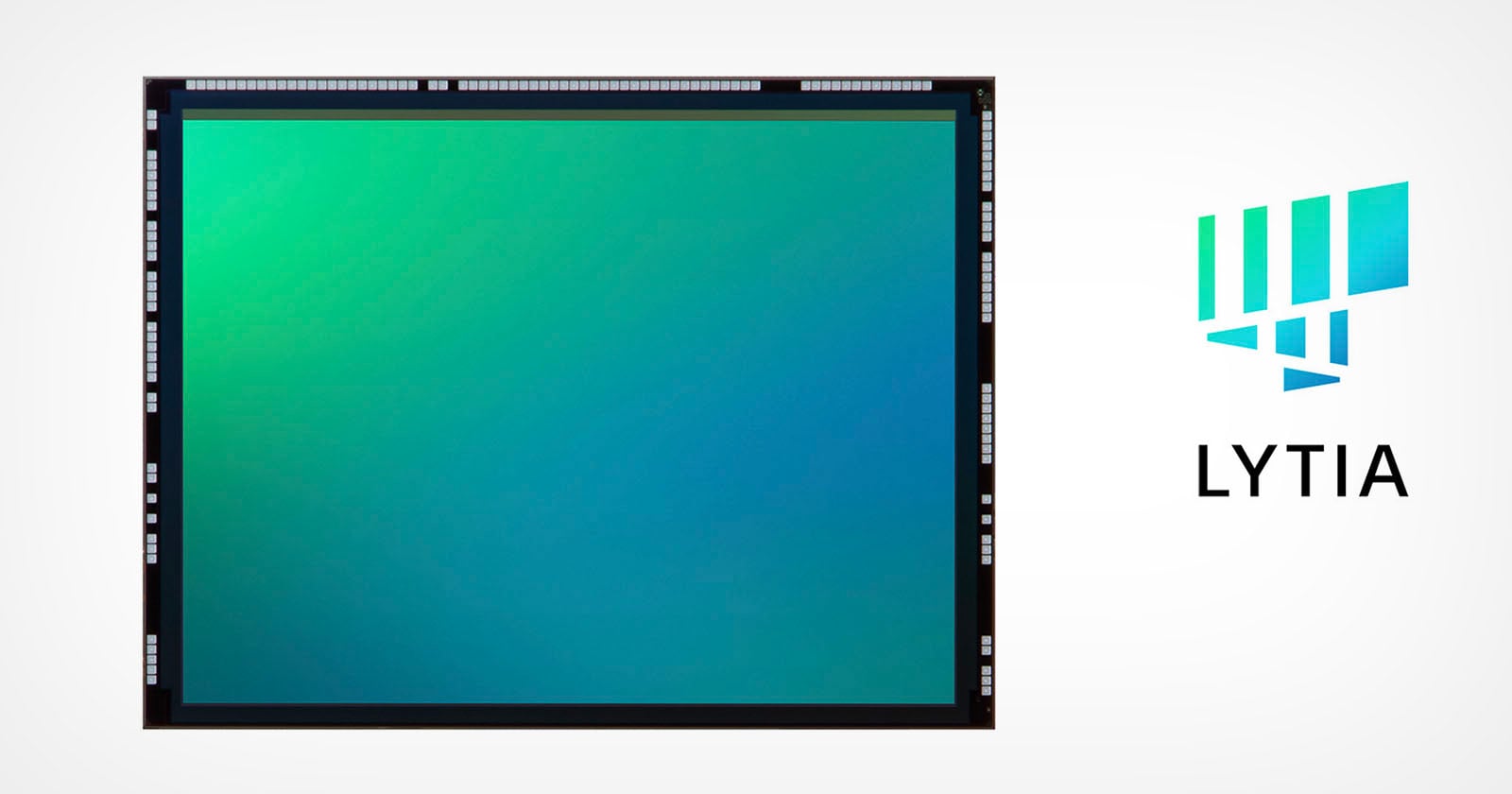
Sony's new 50-megapixel LYTIA 720 sensor is not just another spec bump; it is a quiet manifesto for what mobile photography should become. In an era where computational tricks often mask hardware limitations, Sony is betting that light, raw, abundant, captured light, still matters most. The sensor's promise of industry-leading low-light performance and 4Kp60 HDR video recording suggests a tool built for creators who refuse to compromise between portability and fidelity. This matters because the line between professional and personal imaging has never been thinner, and Sony is handing the artist a sharper brush.
For our audience, this is more than a technical release. It echoes a theme we have been tracking: the return of intentional seeing. Just as A Curated Return: Life Magazine Revives Its Lens on the World reminds us that the frame itself is an act of curation, the LYTIA 720 invites us to stop relying on software to fix what the lens failed to gather. Life Magazine's revival celebrates the patience of the single, decisive moment; Sony's sensor rewards that patience with a depth of detail that survives even in dim light. Similarly, The Art of Seeing America with Stephen Wilkes on Our Podcast explores how a master photographer compresses hours into a single frame. The LYTIA 720 cannot collapse time, but it can hold a scene's texture with a richness that makes every pixel feel considered, a quiet nod to the craft of seeing rather than just snapping.
What sets this sensor apart is not the megapixel count alone. It is the integration of HDR at 60 frames per second in 4K, a feature that transforms video from a sequence of compromises into a fluid record of light as it truly behaves. For the health-conscious traveler or the fashion editor documenting a runway under tungsten glow, this means footage that retains shadow detail without blowing out highlights. It is the difference between a memory flattened by algorithm and one that breathes. The sensor becomes a partner in the creative process, not a correctional device.
The practical takeaway is direct: if your work or your passion demands authenticity in low light, whether you are capturing a sunrise yoga session, a candlelit dinner, or the textured grain of a vintage garment, this sensor removes the excuse of "not enough light." The open question is whether smartphone manufacturers will tune their processing pipelines to honor that raw capability, or if they will overlay the same aggressive noise reduction that dulls every sensor's potential. Sony has given artists the canvas. We will be watching closely to see who paints with it and who merely fills it in.