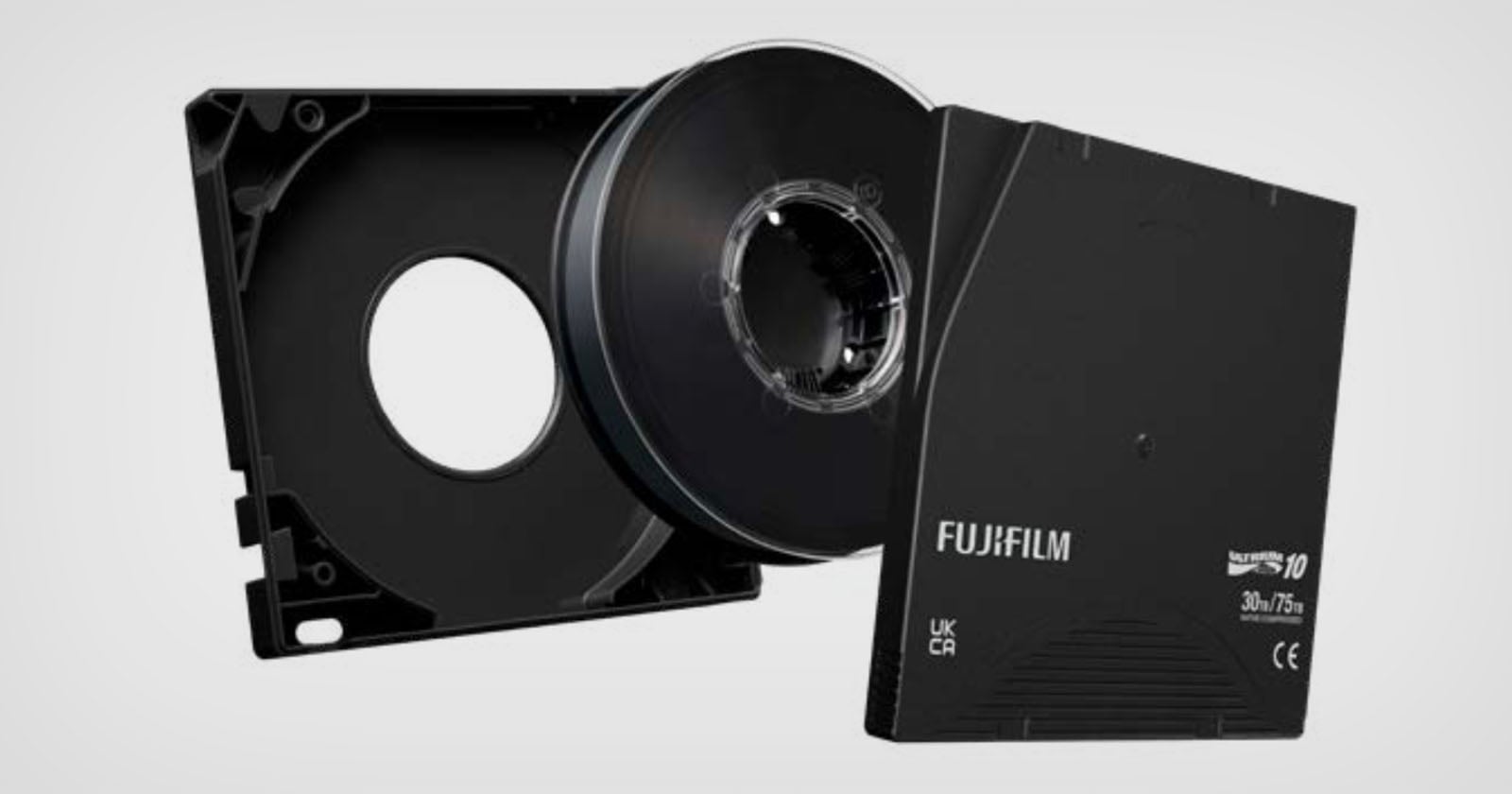
Fujifilm's $63 million bet on magnetic tape is the smartest kind of nostalgia: the profitable kind. While the rest of the industry chases ever-faster flash, Fujifilm is investing in the unglamorous layer of storage that keeps archives alive, and that deserves genuine applause. Archival demand has only climbed in recent years, and tape remains a workhorse for exactly that job. What's old is new again, and this time it comes with a balance sheet.
Consider the broader signals from Fujifilm this year. In August, the company flagged the impact of rising raw material costs in its routine financial reporting, a theme echoed when As raw material costs climb, Canon signals price adjustments ahead covered Canon's own pricing moves. A $63 million commitment to tape reads differently against that backdrop: it's a statement that archival storage is worth paying for, even when inputs get expensive. The same instinct for enduring value shows up in Finding Character in a Frame Why the Original Fujifilm 23mm Still Inspires, where older glass earns loyalty on character rather than spec sheets. There is a through line here, and it is not sentimentality. It is the recognition that some tools age into permanence.
For our readers, the practical takeaway is straightforward: if you shoot, edit, or collect, your archive is a creative asset, and it deserves a plan built for decades, not for the next hardware refresh. Tape's economics favor exactly that horizon. It is not a replacement for the flash in your camera or the SSD on your desk, and it was never meant to be. It is the quiet layer that lets everything else stay fast and unburdened.
Watch the price of raw materials as this investment unfolds. If input costs keep climbing, archival storage gets more expensive before it gets more accessible, and the shops and studios that plan their archives now will feel that shift least. Fujifilm has placed its bet. The question is whether the rest of us will treat our own archives with the same seriousness.