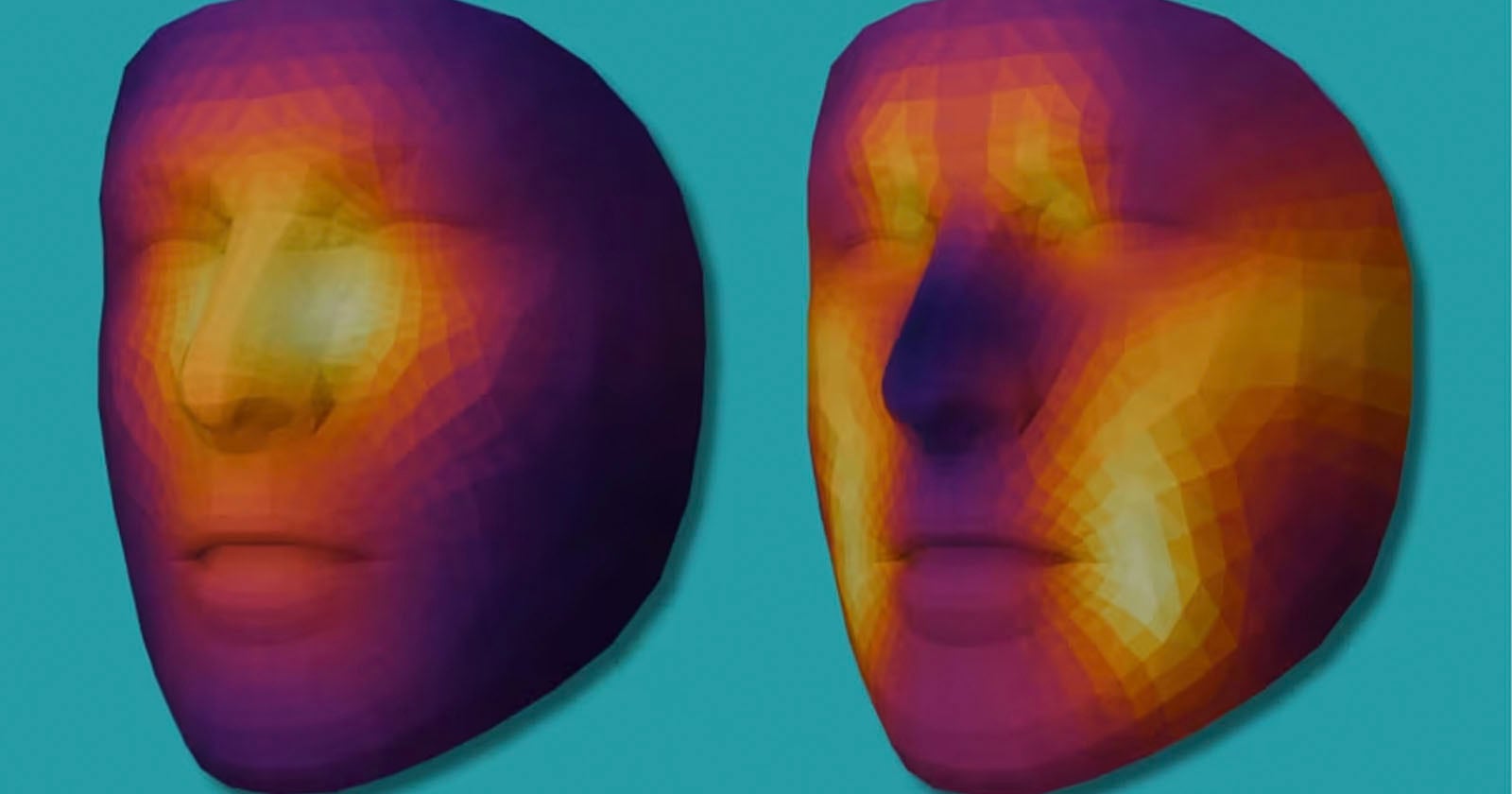
A single photograph has always told a story, but now it might reveal a countdown. Researchers have developed an AI tool that scans a person's face to estimate biological age and predict survival outcomes among patients with cancer. We find this fascinating, and also unsettling, not because the technology is invasive, but because it forces us to reconsider what we think we see in a portrait. A face is no longer just a record of expression or identity; it has become a biological document, one that may hold more truth than we are comfortable reading.
This development echoes something we explored in The Art of Seeing: A Pacific Island Tree Fooled Earhart's Searchers, where pictures proved deeply deceptive. A tree can impersonate a plane; a smooth, rested complexion can disguise accelerated cellular aging. The new AI, by contrast, is trying to strip away that illusion. It looks past makeup, lighting, and expression to assess something closer to the body's actual wear. For the creative collaborators and health-conscious readers of this publication, the practical implication is immediate: the aesthetic markers we curate and celebrate, the glowing skin, the sculpted jawline, the vibrant eye, are suddenly less a style choice and more a potential signal. We do not yet know how reliable that signal is in everyday life, but we know it is being read.
There is another parallel worth drawing, this time with creative tools. Pixieset's New Photo Editor Weaves Culling and Editing Into One Curated Flow consolidates two separate tasks into a single, fluid act, much like this AI merges the visual with the medical. Where Pixieset streamlines how photographers select and refine images, this tool collapses the distance between a portrait and a prognosis. Both systems rely on automation to see what the human eye might miss or take too long to process. But the stakes diverge sharply: one improves a workflow, the other touches life expectancy. That difference matters for our audience. If we invite health and beauty to converge, we must also invite clarity about what we are actually measuring. A curated photograph may be aspirational; a biologically aged face is not a mood board.
The deeper point for us is practical. This research redefines what it means to "look young" for your age, and what it means to be told otherwise. As creatives, as people who value form and function, we are accustomed to controlling the frame. This technology reminds us that the frame can also reveal what we did not mean to show. The concrete takeaway is this: the next time you photograph a face, your own, a collaborator's, a subject', consider that an algorithm may one day read it not for beauty, but for truth. We are asking about consent, not just for the image, but for the interpretation it carries.