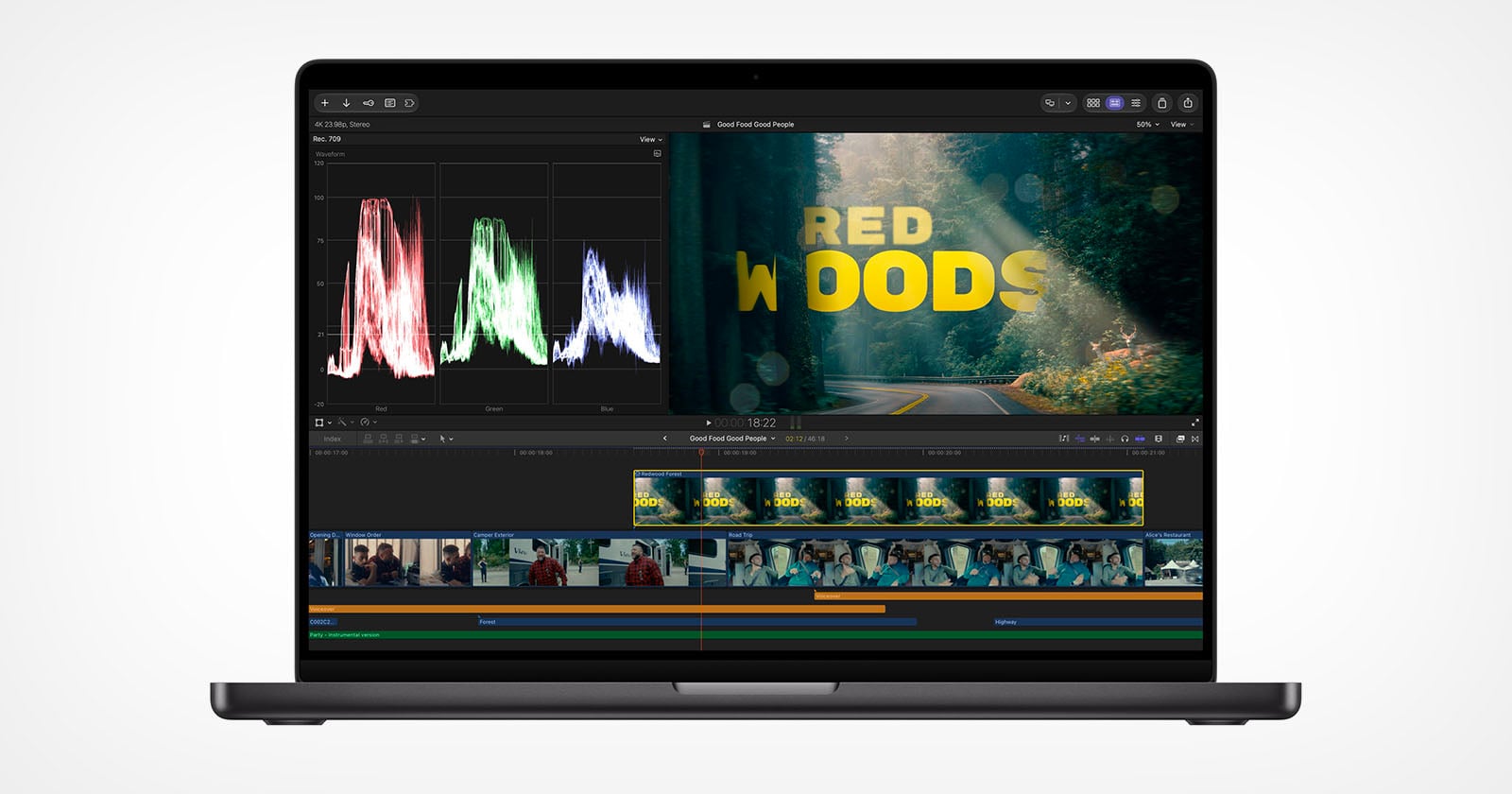
We've long believed that the tools we use shape the art we make, and Apple's latest Creator Studio update proves that belief more vividly than any spec sheet could. Embracing Monochrome to Find a New Lens on Creative Expression taught us that constraint often breeds creativity, and now Apple is applying that same philosophy to the entire editing experience. This isn't just a routine refresh, Final Cut Pro and Pixelmator Pro have both received what Apple calls its most exciting update yet, and the shift feels less like an incremental improvement and more like a recalibration of what an editing suite should be.
For the creative collaborators and health-conscious enthusiasts who make up our community, this update matters because it blurs the line between precision and intuition. Final Cut Pro has always been the clean, fast workstation for filmmakers who want to stay in flow, and these improvements double down on that ethos. The new features appear to prioritize immersive, tactile control, think magnetic timelines that reduce friction rather than demanding your attention. Pixelmator Pro, meanwhile, continues its quiet rebellion against the idea that powerful photo editing must feel technical or cold. Together, they form a creative ecosystem that feels curated rather than overwhelming. This is not about chasing Adobe's feature count; it's about editing as a form of expression, where the software gets out of your way and lets you find the rhythm of the cut or the exact tone of the light. For our readers who value form and function equally, that distinction is everything.
The timing feels deliberate, too. Apple has been refining its hardware narrative with releases like the The New iPad Mini Arrives with Its Most Refined Design Yet, proving that smaller, more intentional tools can do bigger work. The same logic applies here. By deepening Final Cut Pro and Pixelmator Pro inside a single, coherent Creator Studio, Apple is betting that creative professionals want an ecosystem that feels unified rather than patched together. It's a quiet challenge to the industry assumption that more is better. Instead, the update suggests that better integrations, smoother workflows, and a more authentic relationship between tool and artist produce stronger work. That resonates deeply in a moment when many of us are seeking to strip away the generic and the ordinary from both our projects and our daily routines.
There is one specific consequence worth watching: how this reshapes the relationship between Apple's ecosystem and the broader creative industry. If Final Cut Pro and Pixelmator Pro become the default tools for a generation of editors who prioritize immersive, authentic workflows over raw power, it could quietly shift the standard for what a professional editing experience should feel like. The question is not whether this update is good; it clearly is. The real question is whether it will pull enough creators out of Adobe's orbit to make the change permanent. For now, we recommend opening Final Cut Pro, loading a project you care about, and seeing if the tool finally feels like an extension of your instinct rather than an obstacle to it.