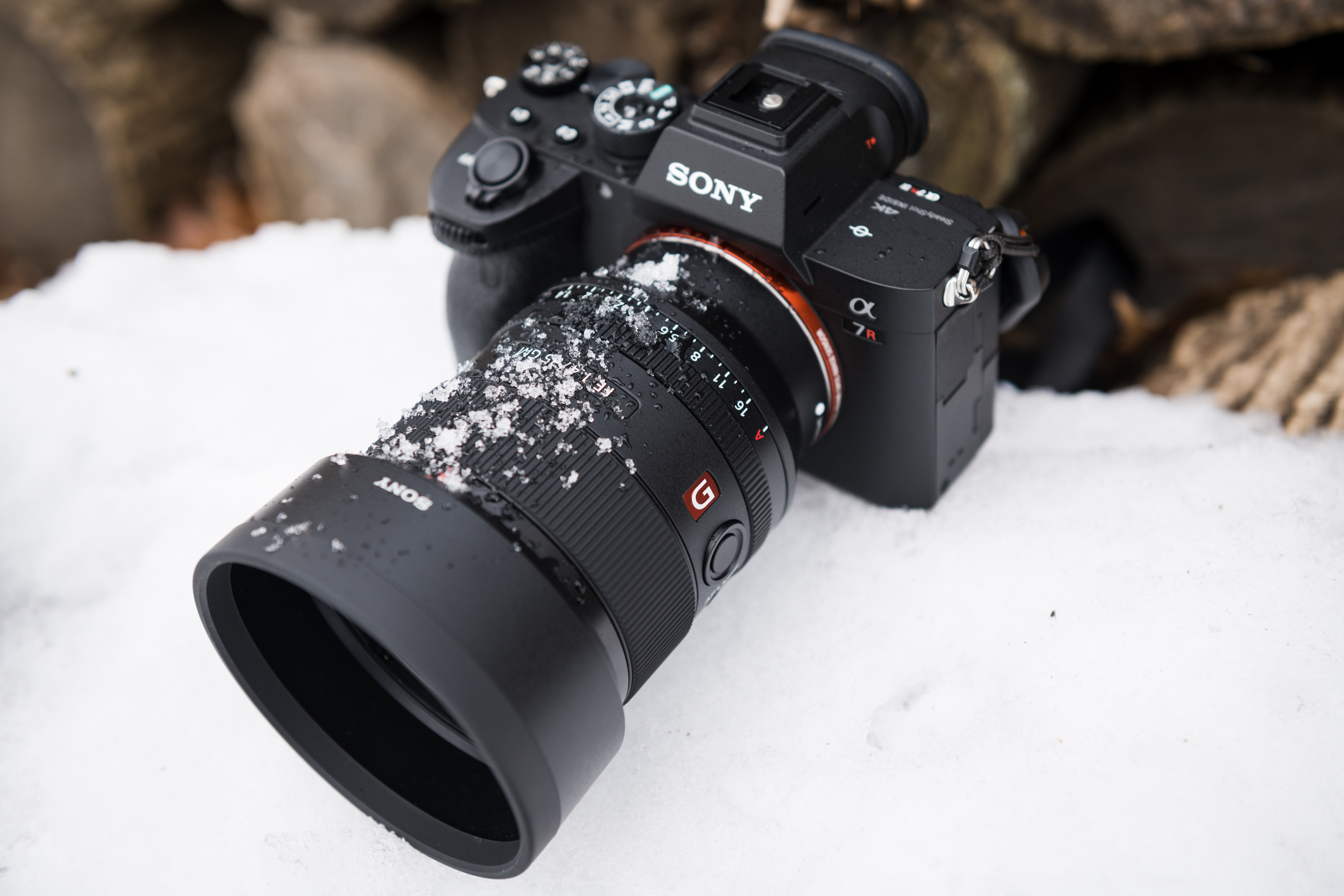
There is a quiet irony in how many of us treat our Sony cameras as both irreplaceable creative partners and disposable technology. We trust them with the decisive moments of our careers, yet we rarely ask the question that actually determines our return on investment: how long is this thing really built to last? The answer, as it turns out, is not found in the spec sheet but in the fine print of warranties and the habits we form long before the shutter count climbs.
Sony's rise to the default choice for working photographers has been built on undeniable technical brilliance, autofocus that feels predictive and sensors that seem to drink light. But brilliance and longevity are not the same conversation. When we talk about a camera's lifespan, we are really talking about three intertwined realities: the manufacturer's stated commitment, the practical realities of maintenance, and the way we as creatives extend or shorten that life through our own rituals. This is not unlike how we approach the gear we carry, from the Tenba's Iconic DNA Shoulder Bag Returns, Reimagined for the Modern Creative we sling over our shoulders to the way we learn to read light itself, as explored in Reading Light Beyond the Screen: Mastering the Histogram. The equipment is only as good as the understanding we bring to it.
Our take is straightforward: durability is not a passive feature you buy, it is an active practice you maintain. Sony's warranty terms tell you what the company is willing to guarantee, but they do not tell you how the camera will perform on a dusty roadside in year four or after ten thousand actuations in freezing weather. The photographers who get the longest life from their Sony bodies are the ones who treat sensor cleaning, firmware updates, and heat management as non-negotiable parts of their workflow, not afterthoughts. They understand that a camera is a precision instrument with a finite mechanical soul, and they respect that reality with the same care they bring to composing a frame. The same discipline that sustains a decades-long wildlife career, as seen in 35 Years of Wildlife Photography: From Capture to Artistic Vision, is what separates a camera that becomes a relic from one that becomes a legacy tool.
What this means for you, practically, is that your next Sony purchase should be accompanied by a maintenance plan, not just a memory card. Ask your local service center about shutter replacement costs before you need them. Learn the specific failure points of your model, whether that is the card door seal or the IBIS unit, and build your cleaning routine around them. And when you buy used, factor in the seller's maintenance history as heavily as you weigh the megapixel count. The open question we are left with is whether Sony itself will meet photographers halfway, offering service programs that match the ambition of its engineering. Until then, the true lifespan of your camera is not written in any warranty document. It is written in the habits you commit to today, and that is a detail worth watching on every shoot, every firmware update, and every single click.