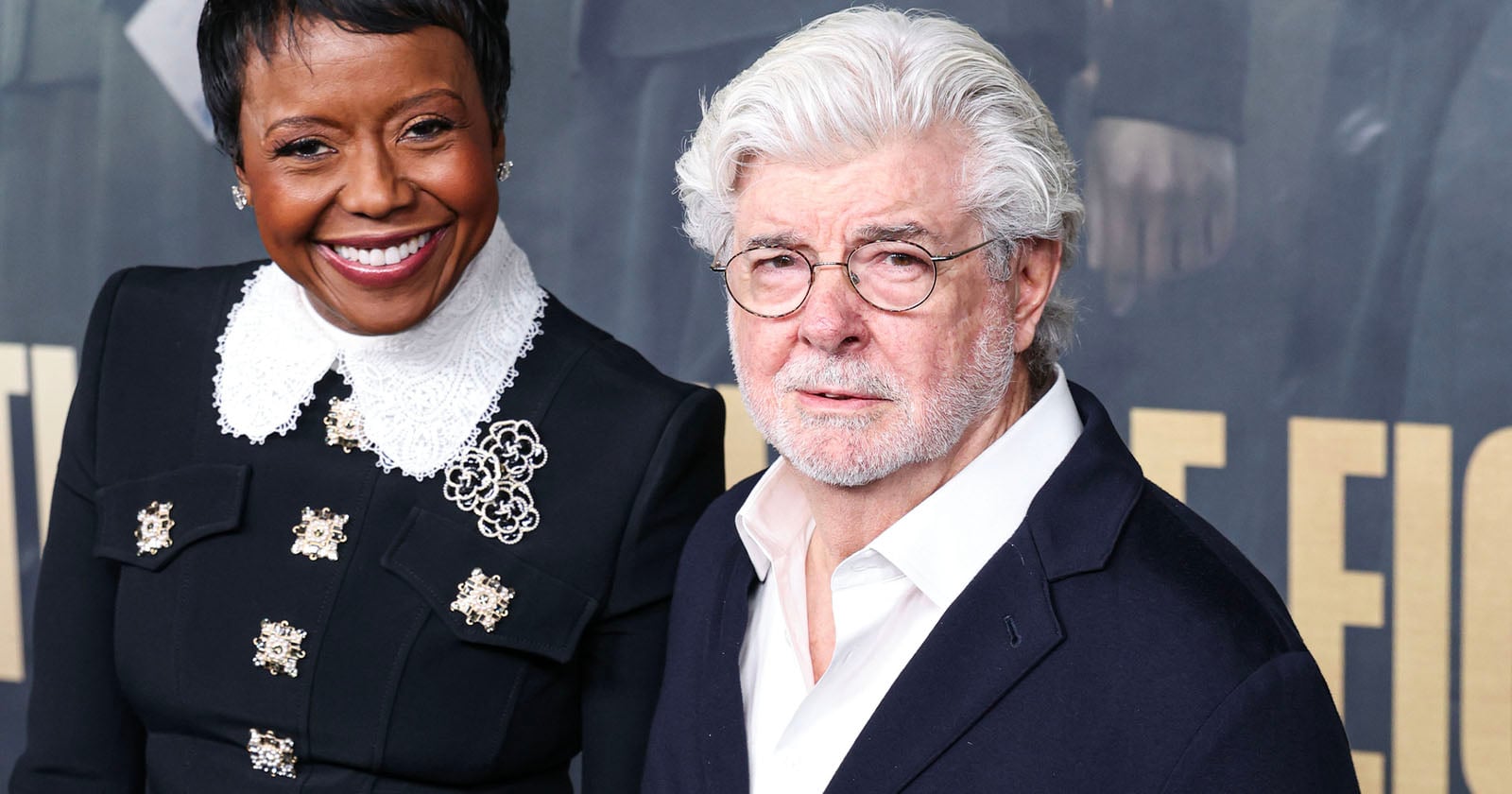
George Lucas, the architect of modern blockbuster cinema, has stepped back into the conversation with a characteristically direct observation: artificial intelligence makes it easier to create films. For a man who spent decades pushing technical boundaries, from the first *Star Wars* to the digital revolution of the prequels, his return to the public eye on this topic feels less like a prediction and more like a quiet confirmation. He isn't arguing for or against the technology; he's stating a fact. And for those of us who live at the intersection of creativity and craft, that fact lands with weight.
This is not a theoretical debate about the future of cinema. It is a practical reality that is already reshaping how we work, whether we are editing a short film or curating a visual story for social media. The same week Lucas made his remarks, Adobe announced it is bringing its tools directly inside Google's Gemini AI platform, effectively merging the editing suite with the assistant. You can read about that convergence in Unlock Creative Power: Lightroom and Photoshop Now Within Gemini. For the creative professional, this is not a distant concept. It is the editing window of tomorrow, where the line between human intention and machine assistance dissolves into something more fluid. Meanwhile, a separate story about an American CEO who posted an AI-edited family photo and then departed her role offers a stark counterpoint to Lucas's optimism. That incident, detailed in Aspirational Image, Unexpected Exit: CEO Departs After AI Photo, reminds us that the tool is neutral, but the context is everything. Lucas speaks from a position of mastery; the CEO learned that the audience's trust is not.
What Lucas understands, and what we should take seriously, is that technology has always been the enabler of artistic vision. The camera was once a threat to painting. Digital editing was once a threat to film stock. Each shift expanded who could tell a story and how. AI is simply the next lens. For our readers, whether you are a photographer, a designer, a fitness content creator, or a lifestyle curator, the practical takeaway is this: the barrier to entry is lowering, but the demand for authentic vision is rising. Anyone can generate an image. Not everyone can imbue it with meaning.
The specific consequence to watch is not whether AI will replace filmmakers. It is whether the tools become so frictionless that we forget to ask *why* we are making something. Lucas's quiet confidence suggests he believes the artist's intent still matters. We agree. The question we are left with is not about the machine's capability, but about our own discipline. When nothing is technically difficult, what will you choose to say?