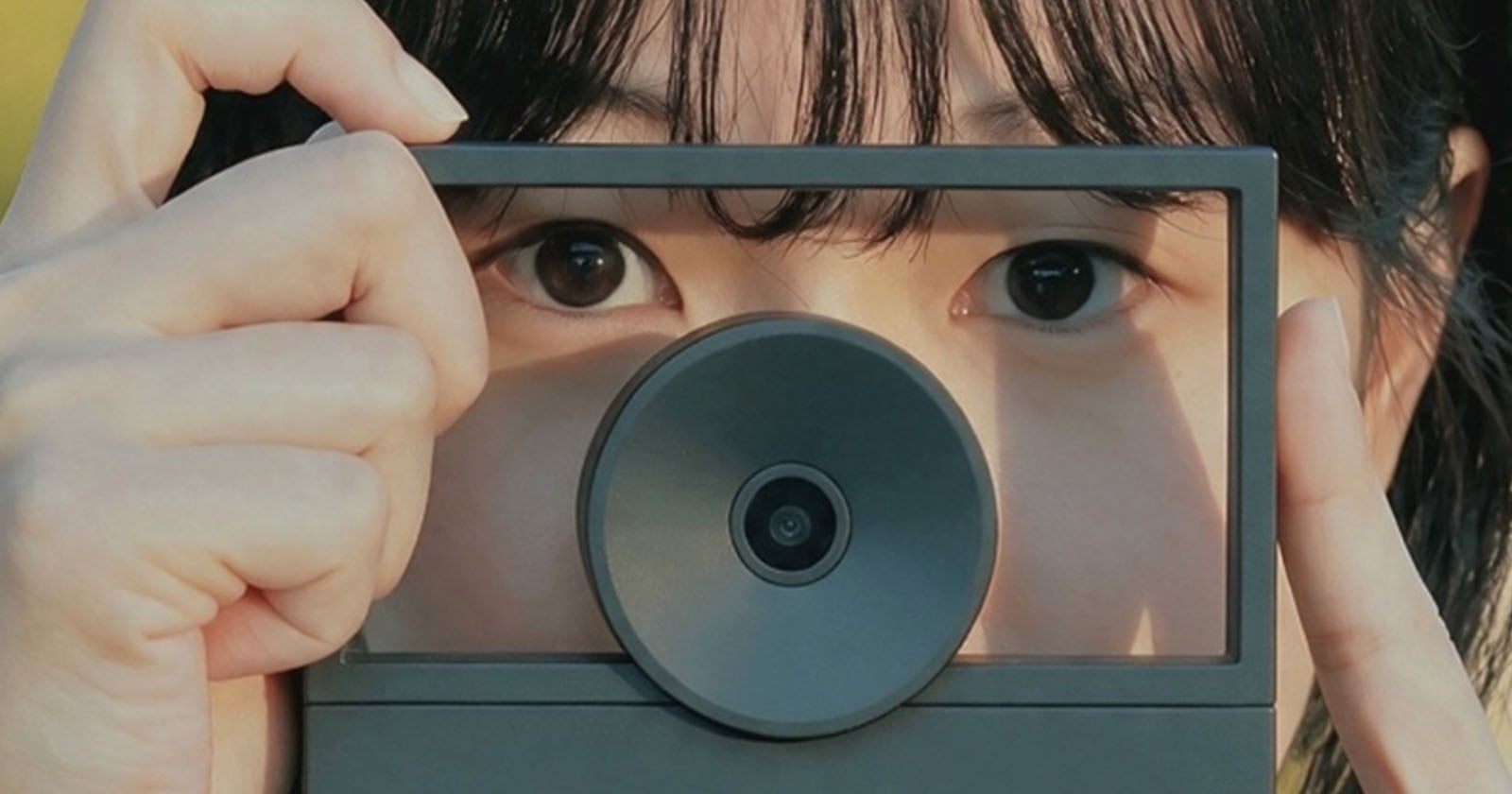
Lutra Inc.'s new HOA A1 camera is either a brilliant provocation or a beautiful mistake, and we are here for the risk. The name alone, Humans of Authenticity, signals a brand that understands the current hunger for something real in a sea of algorithm-optimized sameness. But let's be honest: the camera looks weird as hell, and that is precisely why it has our attention. In a market where most hardware plays it safe, Lutra has chosen to make a statement. The question is whether that statement translates into a tool creators actually want to use, or whether it remains a fascinating conversation piece.
The HOA A1 lands in a moment when the industry is rethinking how we support creators beyond just specs. Glyph Curates the Next Layer of Creator Support with New Card Readers showed us that the real battle is in workflow reliability, not just speed. And Wandrd's latest strap system redefines the art of effortless attachment proved that thoughtful design can transform even the most mundane interaction into something elevated. Lutra seems to be taking a similar philosophy but applying it to the camera body itself. Instead of another black rectangle with a grip, the HOA A1 proposes that the tool should feel as distinctive as the images it captures. That is a bold bet, and one that could either liberate photographers from visual monotony or frustrate them with form over function.
What makes this launch genuinely interesting is the cultural positioning. Lutra is not trying to compete on megapixels or dynamic range alone. They are selling a philosophy: that authenticity is a design principle, not a filter. The HOA A1's unconventional appearance forces a conversation about what we value in an image-making device. Do we want cameras that disappear into our hands, or do we want ones that announce our intent before we even press the shutter? For the creative collaborator and health-conscious enthusiast who lives at the intersection of art and lifestyle, this camera offers a chance to align their tools with their identity. It is aspirational, yes, but it also demands a certain confidence from its owner.
The concrete takeaway here is that Lutra has introduced a new variable into the camera market that no one asked for but many may need: permission to be visually unconventional. The HOA A1 will not be for everyone, and that is the point. We will be watching how early adopters integrate it into their workflows, and whether the brand can back up its weirdness with performance. If the images are as compelling as the hardware is divisive, Lutra may have created something truly authentic. If not, the HOA A1 becomes a beautiful reminder that in design, as in fitness and fashion, intention matters more than appearance. The real test will be whether the camera's gaze captures something the others miss.