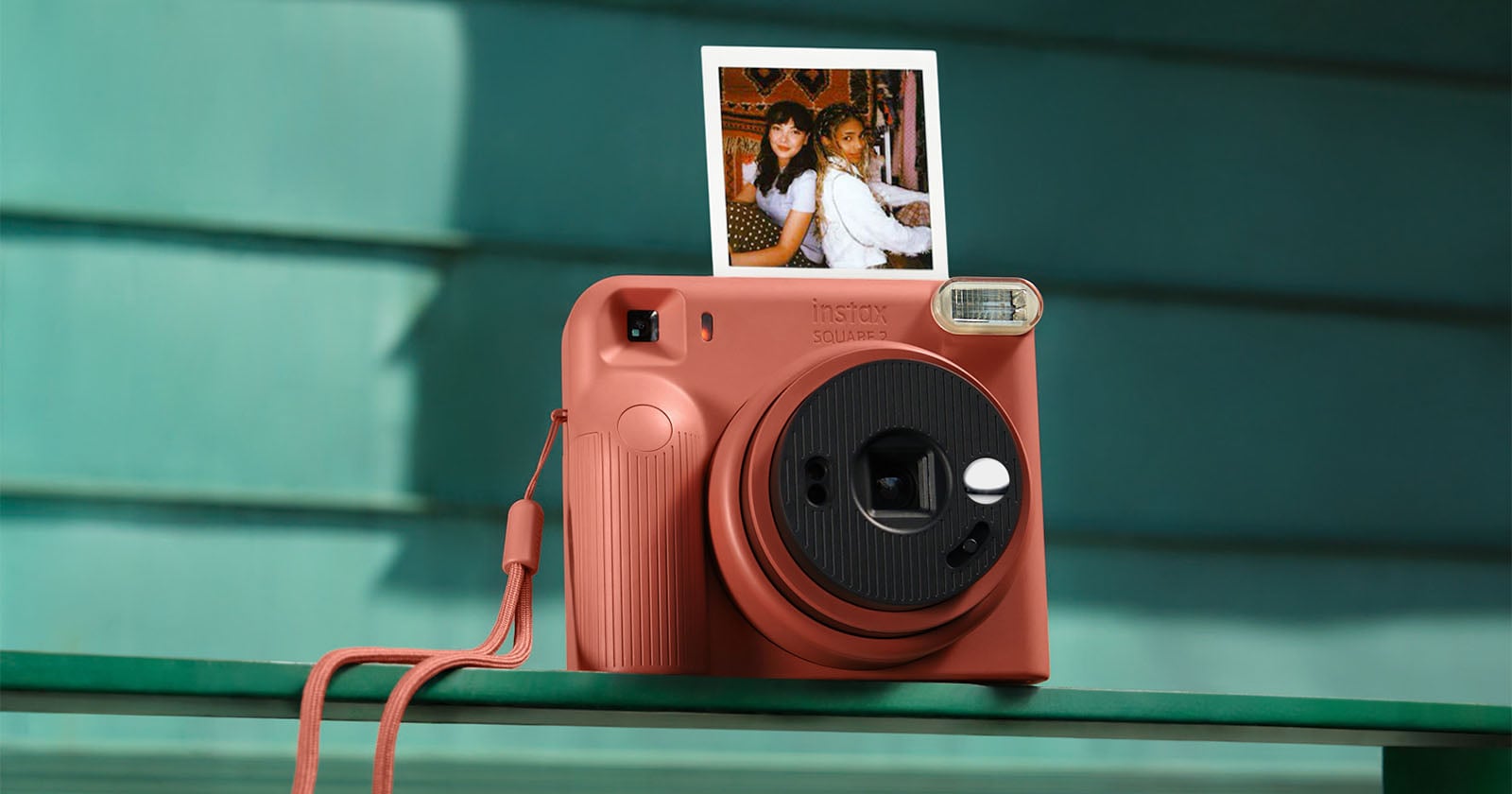
The Instax Square 2 is not a reinvention of instant photography, but a quiet refinement that matters more than any spec sheet can capture. Fujifilm has announced the latest addition to its popular Square family, and our take is clear: this is a tool for those who already understand that mood and light are the true subjects of any frame. It does not promise better resolution or faster processing; it promises a better feeling, and that is exactly why it belongs in your kit alongside a curated lens like the A Compact New Zoom Lens Brings Elevated Creativity to APS-C Shooters or an ultra-light prime like A Curated Compact: TTArtisan's 24mm Lens Weighs Less Than a Battery.
For the creative collaborator and the health-conscious enthusiast alike, instant photography has always offered something digital struggles to replicate: a tangible, unrepeatable artifact. The Square 2 leans into that ethos by refining the familiar square format, the same one that defines Instagram's iconic crop but lived first in film. Where a compact zoom lens expands your compositional range on an APS-C body, and a pancake prime disappears into a pocket for street shooting, the Instax Square 2 removes every barrier between impulse and print. There is no editing, no infinite retakes, no battery anxiety from a screen. You compose, you press, you hold. That immediacy is not a compromise; it is the point.
What this means in practice is a shift in how we curate our creative lives. If you have been refining your portfolio with artful phone captures, as discussed in Refining Your Commercial Portfolio with Artful iPhone Digitals, the Square 2 offers a complementary discipline. It trains your eye to commit. The square frame forces a different kind of composition, less about cropping later, more about seeing the whole at once. Light becomes a decision, not a slider. Shadows become texture, not noise. This camera does not serve the need for speed; it serves the need for presence. In an era where we shoot hundreds of images a day and treasure none, the Square 2 invites you to shoot one and mean it.
The detail to watch is how Fujifilm has handled the exposure controls. The original Square often struggled with backlit scenes and high-contrast interiors, flattening the very mood photographers sought. If the Square 2 has improved its metering, and early indications suggest a more forgiving auto-exposure curve, it becomes not just a lifestyle object but a legitimate creative companion. That is the line we are watching. A camera that captures mood and light in a curated new frame is only as good as its willingness to let us fail beautifully. When the print comes out too dark, too bright, or perfectly imperfect, that is the moment we learn something. The Square 2 will succeed not by giving us perfect images, but by giving us honest ones.