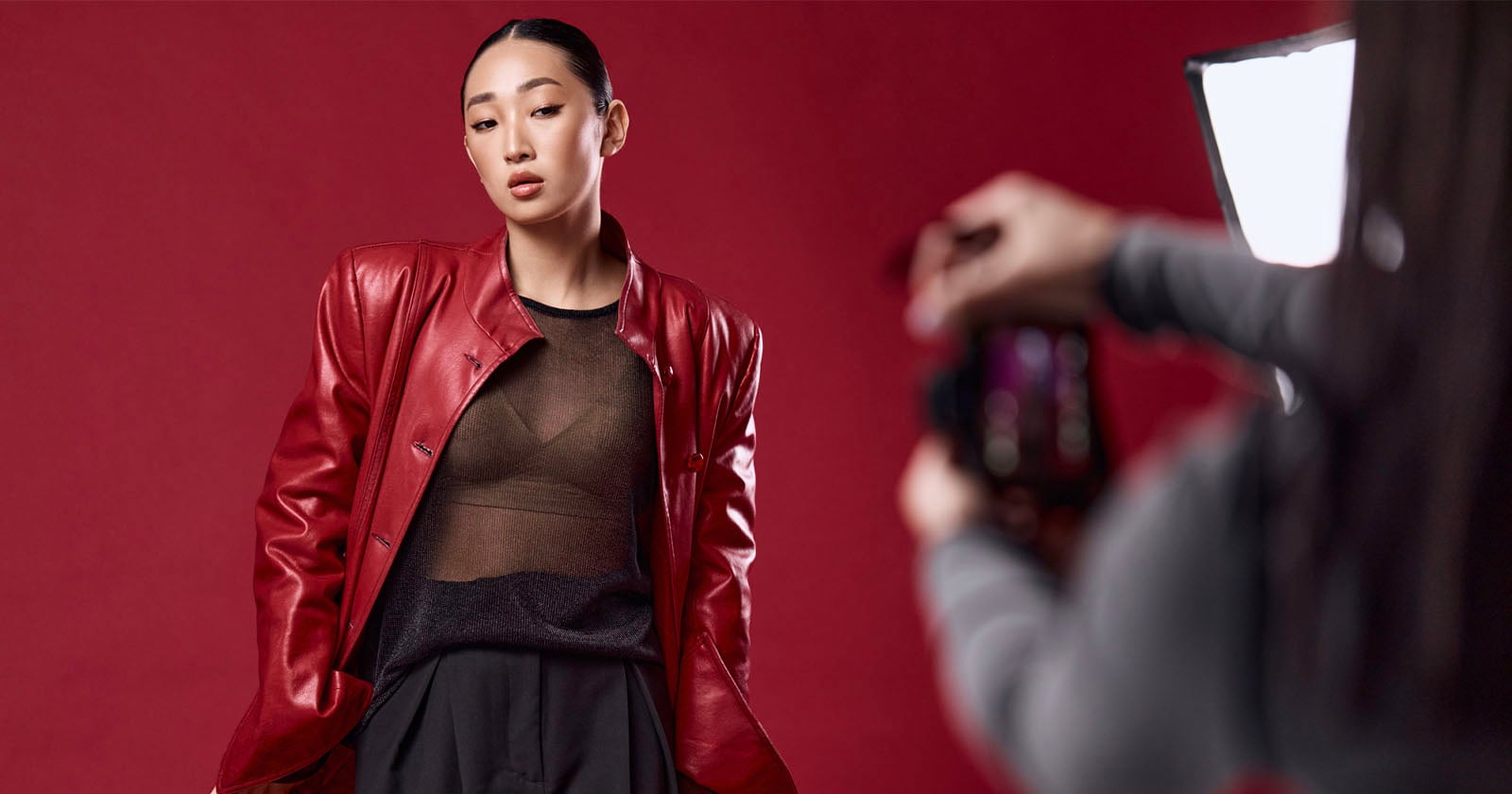
The shutter is closing on a certain kind of magic, and we have to ask ourselves what we are willing to trade for a deal. According to a report by Reuters, fashion photo studios are shutting down as brands pivot to AI-generated imagery, lured by the promise of significant savings. It is a pragmatic move on paper, yet it feels like a quiet surrender of the very artistry that made fashion compelling in the first place. This tension between efficiency and soul is not new, but it lands differently when we consider how technology can also *elevate* memory and craft. Take, for instance, the way The Alexa Photo Frame curates your memories with artistic AI uses intelligence to preserve, not replace, the human moments behind a photograph. Or how When the Mountain Roared, This Artist Refused to Let His Final Frame Fade reminds us that a single frame can hold a story worth dying for. The technology is not the villain; the intention behind its use is what matters.
For our readers, those of you who live at the intersection of creativity, health, and style, this shift is personal. You know the difference between a photograph that feels *curated* and one that feels *generated*. A real studio session is an immersive dialogue: the way light falls on a fabric, the micro-expression that a photographer catches in a split second, the energy of a team working in sync. AI can mimic texture and proportion, but it cannot replicate the authenticity of a shared human moment. The brands that abandon these spaces entirely are not just saving money; they are quietly erasing the collaborative craft that gives fashion its vibrance. The savings may look good on a spreadsheet, but the cost is measured in something less tangible: the loss of a creative ecosystem that has long been the backbone of visual culture.
This does not mean we reject the tool outright. There is a place for AI in the creative process, as a collaborator, not a replacement. Consider Sony's LYTIA 720 Captures Light and Detail With 50 Megapixels of Depth, a sensor designed to capture light and detail with extraordinary depth. That is technology serving artistry, not erasing it. The difference is intention. When a brand uses AI to prototype concepts, test compositions, or reduce post-production costs while still commissioning real photographers for the final image, they are being smart. When they replace the entire studio with a prompt, they are being shortsighted. The most aspirational brands understand that their audience craves the authentic, the slight imperfection of a real hand, the unexpected shadow that no algorithm would choose. That is where connection lives.
The real question is not whether AI will replace studios, but whether we will let it. As studios close, a specific consequence emerges: the next generation of photographers, stylists, and set designers loses the training ground where craft is passed down. Watch which brands continue to invest in human talent despite the cost, they are the ones betting on a future where beauty still requires a beating heart. The rest are just optimizing their way toward the ordinary.