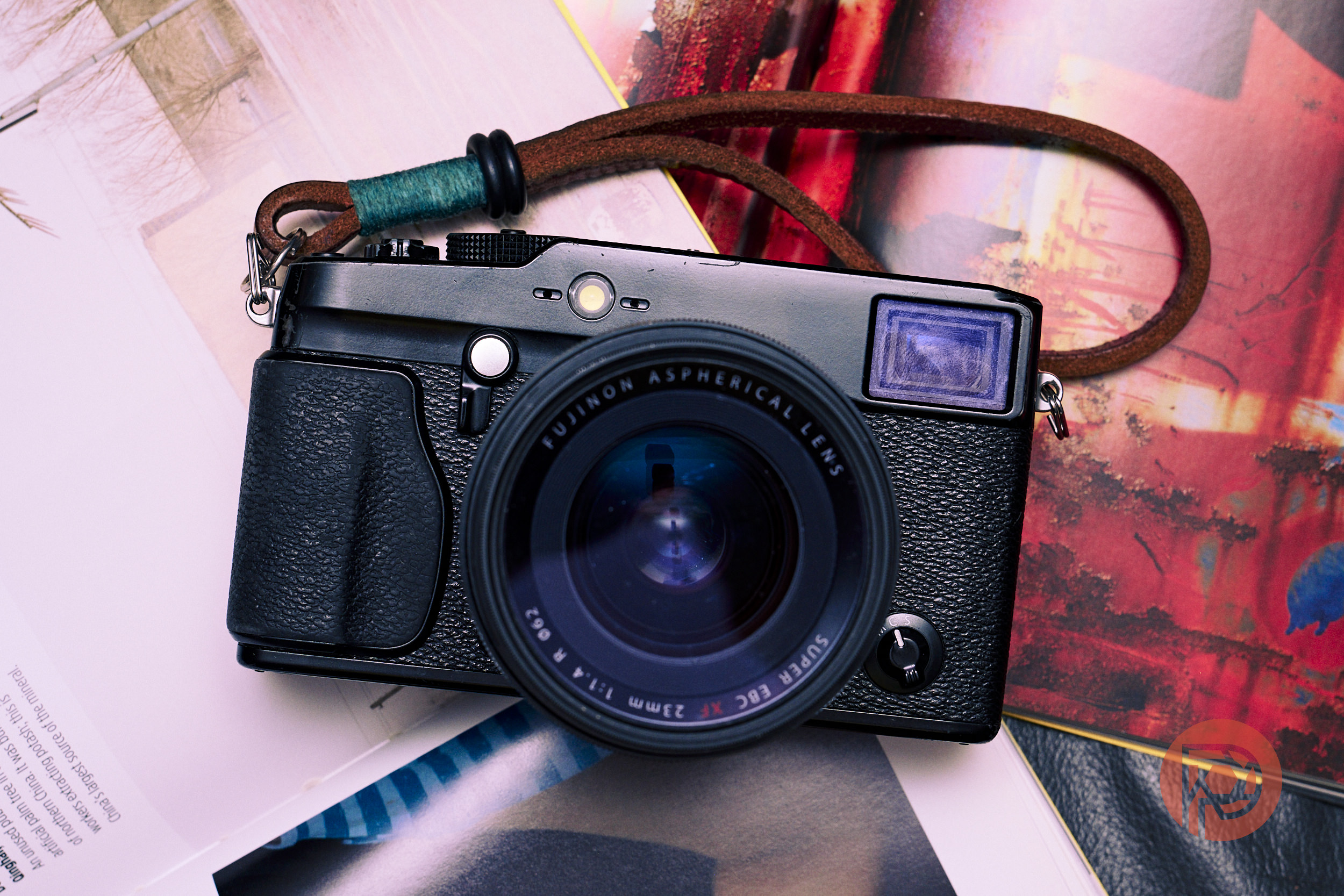
There is something quietly radical about buying a camera that you intend to keep for a decade, not a season. Fujifilm's recent surge among young photographers, fueled by influencers who treat the X100 series like a wearable accessory, has turned a tool into a status object, and that is precisely why we need to talk about longevity before the hype cycle moves on. Our take is simple: a Fujifilm camera is not a disposable trend, but its lifespan depends entirely on how you treat it, and the current conversation around these devices is dangerously focused on the aesthetic of owning one rather than the practice of using one for years.
The reality is that Fujifilm's build quality has generally held up well, with metal bodies and manual dials that invite a slower, more deliberate kind of photography. But the influencers who made these cameras famous are not the ones who will tell you about shutter actuations or sensor dust, nor will they mention that the real test is whether the camera still feels inspiring after the thousandth frame. This is where we draw a connection to the broader artistic conversation happening in our pages, whether it is Rediscovering the Art of Seeing Through Sony's New Fisheye Vision or the enduring grace of Where Precision Meets Color: The Grace of Portra 160, the thread is always the same: gear is only as alive as the eye behind it. A Fujifilm that sits in a bag for Instagram flat-lays will age poorly not because the mechanics fail, but because it never gets the chance to become part of your muscle memory.
What does this mean for you, practically? If you already own a Fujifilm, the most honest way to extend its life is to stop treating it like a collectible. Shoot it in the rain, drop it once, wear down the rubber grip, these are not signs of neglect but of use, and the camera will reward you with a consistency that no phone filter can replicate. If you are considering a purchase, ignore the influencer's preset recipes and instead ask yourself whether you are ready to commit to a fixed lens or a specific sensor character for the next five to seven years. The X-Trans sensor has a distinct color science that some adore and others find frustrating; that is not a flaw, it is a personality, and personalities require patience.
The open question we are left with is whether the current wave of Fujifilm owners will evolve into lifelong shooters or simply move on to the next retro-styled gadget when the algorithm shifts. We saw a similar arc with Jamel Shabazz Channels His Lens Into a Curated New Chapter, where a photographer in his 60s continues to find new stories with a tool he has mastered over decades, not because it was new, but because it was familiar. That is the real lifespan test: not how many years the shutter is rated for, but whether you will still want to pick it up when nobody is watching. Watch how many of these cameras end up on resale platforms in two years; that number will tell you more about the trend than any spec sheet ever could.