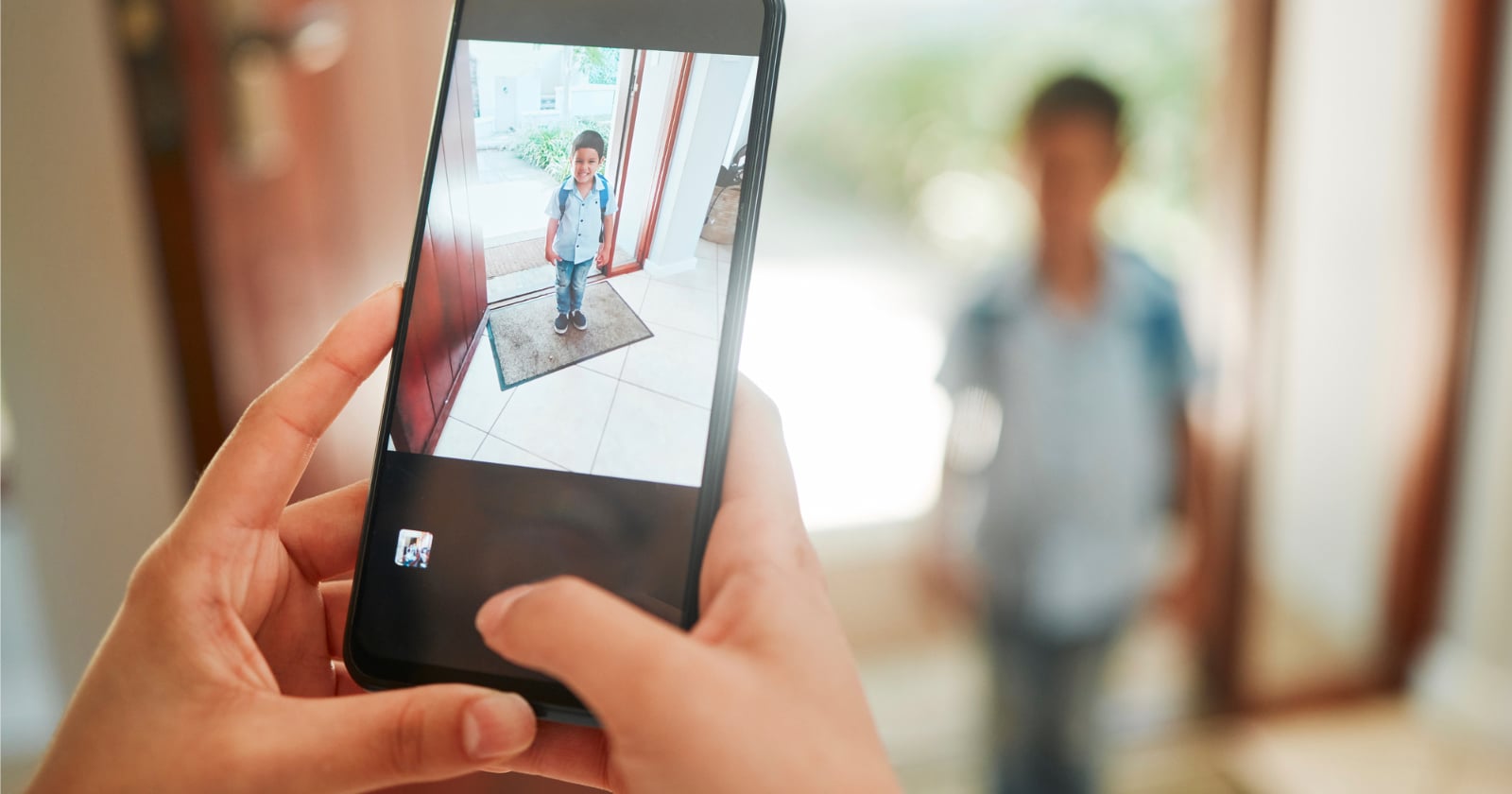
The school portrait has long been a quiet ritual, a carefully lit moment meant to freeze a child's year in time, framed against a pastel backdrop. Now, parents are turning to AI to generate those images themselves, or stripping watermarks from existing photos to sidestep the photographer's fee. We think this is a loss disguised as convenience. The impulse to save time and money is understandable, but what gets erased in the process is the very thing a portrait is supposed to capture: a genuine, human-curated perspective.
This shift sits uneasily alongside the creative tools we celebrate elsewhere. Consider how Your Curated Workflow Starts Here: PhotoCuller Returns Creative Control restores agency to photographers by cutting through the noise of thousands of frames. That tool is built on the premise that human judgment matters, that selecting the right image is an art. The AI portrait trend inverts that logic, handing the entire creative decision to an algorithm. Meanwhile, Rebuilding Adobe's creative suite as an open-source artful rebellion reminds us that democratizing tools can be a powerful act of rebellion against gatekeeping. But there is a difference between building your own creative suite and outsourcing the moment itself to a machine that has never met your child. The open-source movement expands possibility; the AI portrait narrows it to whatever a prompt suggests.
What does this mean for the parent who values authenticity? In practical terms, you are trading a relationship for a result. The school photographer brings a trained eye for light, composition, and the fleeting expression that reveals personality. AI can generate a technically clean image, but it cannot notice the way your daughter tucks her hair behind her ear when she is nervous, or catch the split-second laugh that makes a photo feel alive. The watermarks parents are removing are not just price tags, they are signatures of a craft. Three Essential Cameras That Capture Light With Artistic Brilliance celebrates the hardware that allows photographers to chase light with precision. That chase is the opposite of a prompt box. It is a practice of patience, observation, and skill.
The concrete question we are left with is this: what happens when a generation of children grows up seeing only algorithmically smoothed versions of themselves? The school portrait has always been a little awkward, a little imperfect, that is why we keep them. We watch our kids' crooked smiles and slightly crooked ties, and we remember who they were. An AI-generated portrait, no matter how polished, has no memory of the room it never stood in. If we value the authentic, the curated, and the human, we need to ask whether saving a few dollars is worth losing the one photo that actually looks like them.