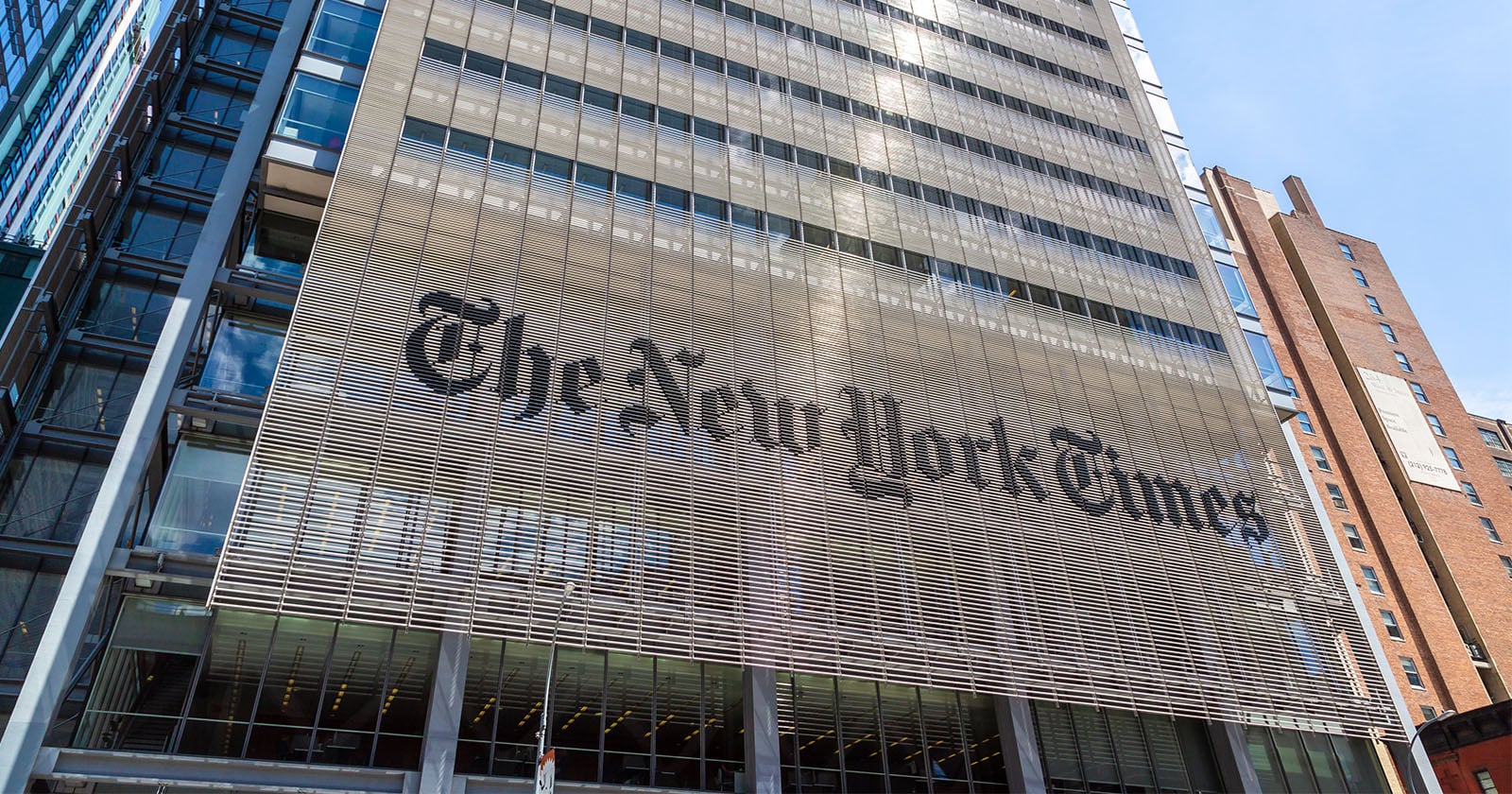
The New York Times has drawn a line in the sand: no AI retouching in its photojournalism. This is not a cautious step; it is a definitive act of curation, and we applaud it. In an era where algorithms can erase a wrinkle or shift a shadow with a single click, choosing to ban generative AI tools from editorial images is a powerful statement about what we value, truth over perfection, authenticity over the artificial. For our readers, who move between the worlds of creative expression and disciplined wellness, this decision resonates far beyond the newsroom. It asks us to reconsider where technology enhances our vision and where it begins to replace our integrity.
The timing is deliberate. Adobe's Photoshop 2027 (28.0.0) has packed in more generative AI features than ever, making it effortless to fabricate details that never existed. While that power can unlock artistic possibilities, much like the microscopic artistry captured in Microgravity's Hidden Canvas: The Art of Cancer Cells in Space or the refined design thinking behind Coman's T1 Mini Tripod Nears $400K in a Crowdfunded Celebration of Design, it also threatens the very foundation of documentary photography. A tripod can frame a scene; a microscope can reveal it. But an AI that invents pixels does not document reality; it constructs a fantasy. The Times is saying that when the stakes are truth, the tool must serve the eye, not replace it.
What does this mean for you, the photographer, the stylist, the creative who lives at the intersection of beauty and honesty? It means your craft still matters. The instinct to master light and shadow, as explored in The Art of Soft Light: Rethinking Direct Flash, remains the irreplaceable core of compelling imagery. The Times' policy is not a rejection of technology, it is a rejection of laziness. It challenges us to develop our skills, to trust our eyes, and to value the imperfect, human moment over the polished, algorithmically perfect one. This is a stance that aligns with the most authentic expressions of lifestyle and art: the stretch marks, the unretouched skin, the honest sweat of a workout well done.
The specific takeaway here is direct: if a publication as influential as *The New York Times* is willing to forgo the convenience of generative AI, then every image-maker must now ask themselves a harder question about their own work. The consequence we will be watching is whether other major outlets follow suit, and whether Adobe responds by offering clearer boundaries between creative tools and deceptive ones. For now, the message is clear, the most powerful edit is sometimes the one you choose not to make.