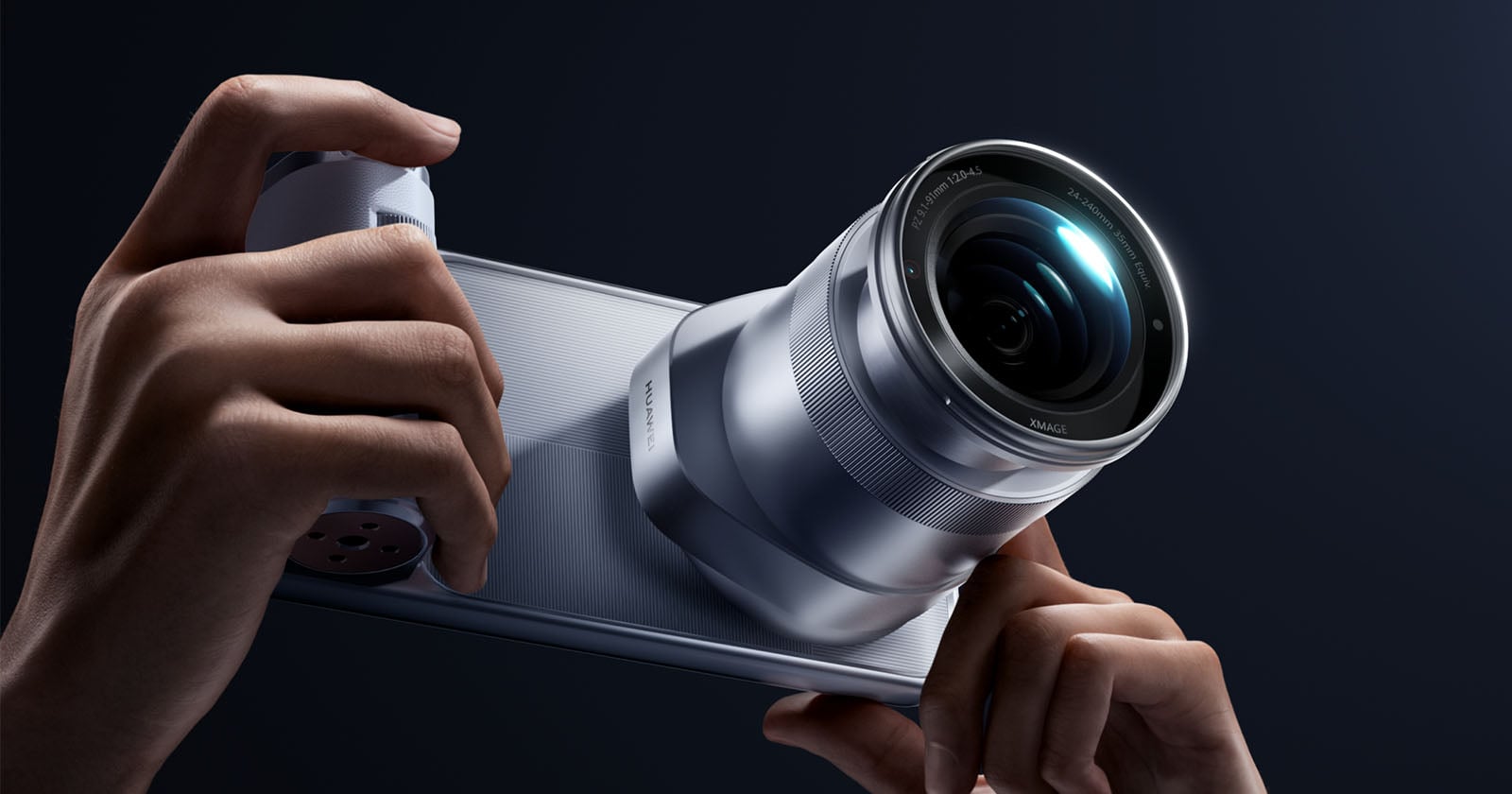
Huawei's Ruiying Z10 isn't just another phone accessory; it reframes the smartphone camera as a genuine creative canvas, and that is precisely the kind of bold, artistic thinking we champion. By launching an entire add-on camera module, complete with its own 50-megapixel image sensor and zoom lens, Huawei steps away from the incremental race for thinner devices and toward a philosophy where modularity and image quality take precedence. This move feels less like a spec sheet battle and more like an invitation to treat photography as a curated practice, not a casual afterthought. It resonates deeply with our belief that technology should serve both form and function, allowing the creative mind to shape its tools rather than the other way around. For context, this announcement arrives alongside the The Mate 90 Series Arrives as Huawei's Most Artful Statement Yet, which positioned the brand's hardware as a design-forward statement. The Ruiying Z10 extends that ethos into a practical, hands-on realm, offering a tangible way for users to elevate their visual storytelling without sacrificing the convenience of a smartphone.
What does this mean for you, the creative enthusiast who values authenticity over gimmicks? In practical terms, the Ruiying Z10 signals a shift away from the ordinary, all-in-one camera bump that has become a design compromise. Instead of relying on digital tricks to simulate zoom or low-light performance, this module delivers dedicated hardware that can be attached when the moment demands it. It is an honest solution for those who find themselves frustrated by the limitations of built-in sensors, yet unwilling to carry a separate camera body. This modular approach invites a more intentional relationship with your device, you choose when to augment, when to keep it sleek, and when to push the boundaries of what a phone can capture. It echoes the spirit of Nocs Provisions Unveils the Portal AFN7, a Rugged Film-Inspired Adventure Camera, which similarly prioritizes purpose-built design over mass-market appeal. Both products understand that the best tools are those that inspire you to see differently, not just snap faster.
The Ruiying Z10 also raises an intriguing question about the future of mobile photography: will other manufacturers follow suit, or will this remain a niche pursuit for the discerning few? Huawei is betting that a growing audience of sophisticated users craves more than computational photography can offer, they want optical integrity, the ability to swap in real glass, and the ritual of attaching a serious lens. This is not a gadget for the casual snapper; it is a tool for the person who treats each frame as a deliberate composition. In that sense, it aligns with the slower, more contemplative approach seen in Tracing the Conqueror's 1066 March, a Lens on England's Living Past, where the act of photographing becomes a journey in itself. The Z10 invites that same patience, rewarding those who take the time to mount the module and compose with intention.
One concrete detail to watch is how Huawei handles the interface between the phone and this external camera. If the connection is seamless and the software integrates naturally, this could become a blueprint for how premium smartphones evolve. If it feels like a clunky afterthought, it risks being a beautiful idea that never quite finds its rhythm. We are watching closely, because when a brand this influential decides to treat a phone camera as a canvas rather than a checklist, the entire industry takes note.