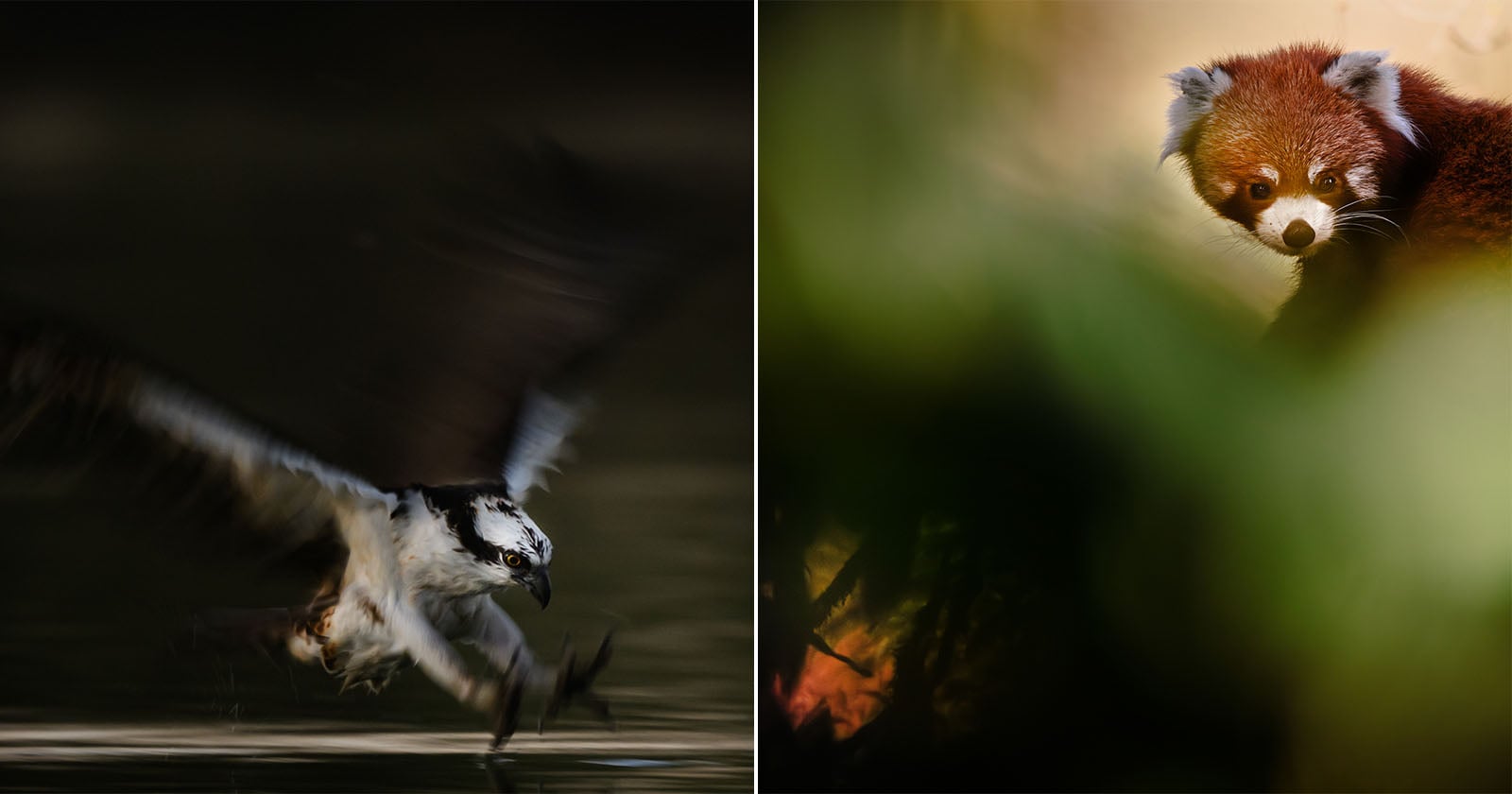
There is something quietly radical about letting a wild creature teach you how to see. Kristi Odom, speaking on the PetaPixel Podcast, reminds us that wildlife photography is not a conquest of the frame but a surrender to the moment. Her approach resonates beyond the lens, offering a lesson in patience and presence that feels increasingly rare in our curated, scroll-driven lives. It is a perspective that echoes the discipline we explored in The Unspoken Dialogue Between Lens and Loom in Ancient Silk, where craftsmanship demands a similar quiet attention. Odom's insight lifts photography out of the gear-obsessed realm and places it back where it belongs: in the relationship between observer and observed.
What strikes us most is the humility in Odom's method. She does not position herself as a hunter of images, but as a student of nature. In an age where every frame can be corrected in post-production, she argues for the value of being wrong, of waiting, of failing to capture the shot so that you might actually see the animal. This is not a technical tip; it is a philosophical shift. For our readers who balance a love of aesthetics with a commitment to authenticity, this is a welcome antidote to the polished perfection that dominates visual culture. It asks us to slow down, to allow imperfection its own beauty. Finding Joy on the Streets, One Frame After Fashion made a similar case for spontaneity in urban settings; Odom extends that invitation into the wild, where the stakes are higher and the rewards deeper.
The practical takeaway here is deceptively simple: creativity is not a product of control, but of connection. Odom's work suggests that the most compelling images arise when we stop trying to impose our vision and start listening to what the subject has to say. For photographers, that means learning the rhythms of a forest before raising the camera. For anyone seeking a more vibrant, grounded life, it means applying that same principle to how we move through the world. Do we rush to capture, or do we pause to understand? The difference is everything.
One detail lingers: Odom's insistence that what we learn from nature makes us better, more creative photographers. That is not a throwaway line. It is a challenge. If we accept it, we must also accept that the most important tool we carry is not the camera, but the willingness to be transformed by what we witness. The question she leaves us with is not about aperture or shutter speed, but about whether we are brave enough to let the wild change us.