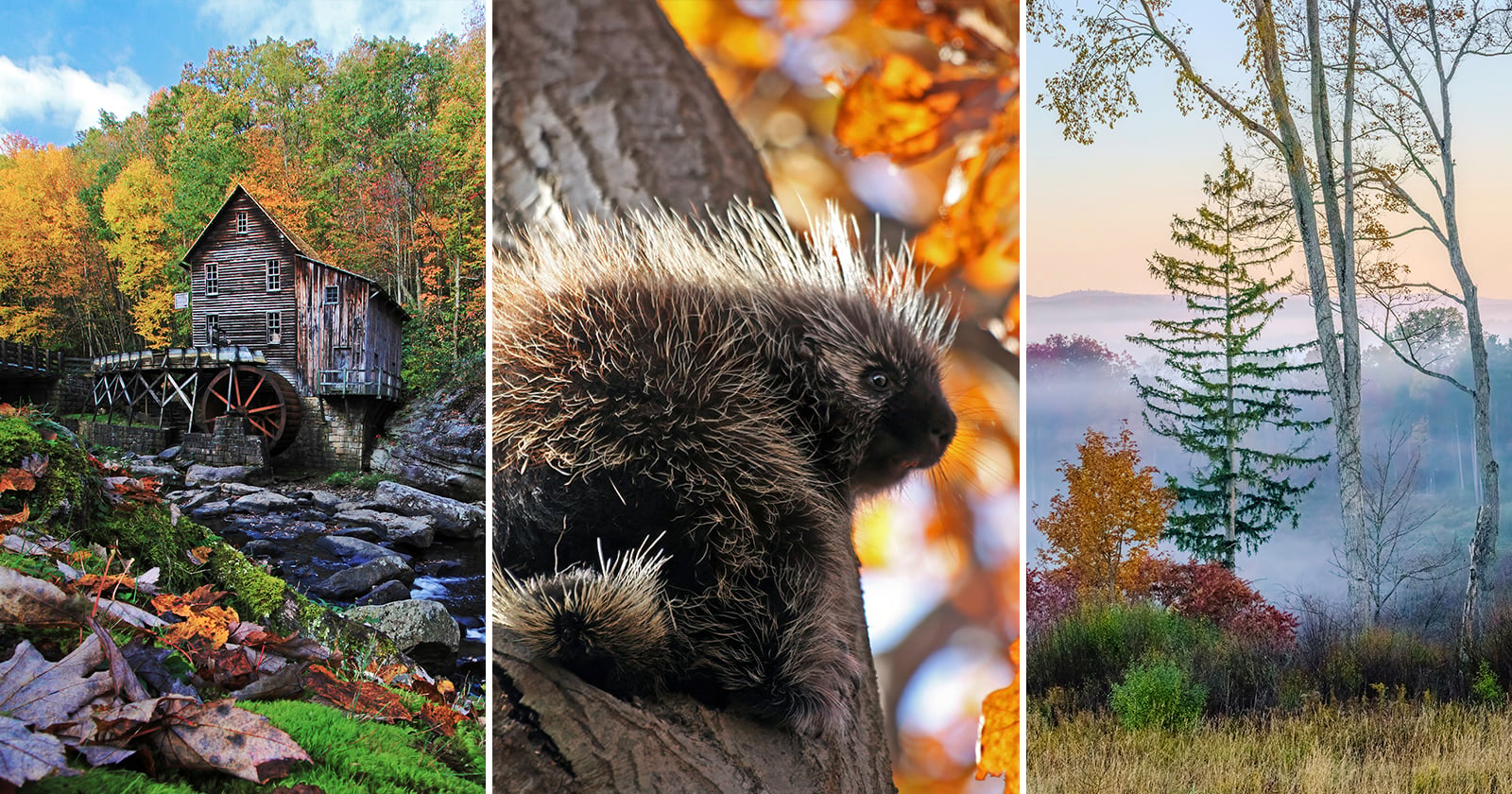
Twenty autumns behind a lens is not just a portfolio milestone, it is a quiet masterclass in patience, composition, and the art of seeing what others overlook. The photographer's reflection on two decades of chasing fall color reminds us that great work rarely comes from luck. It comes from learning that peak foliage is only the beginning. For anyone building a creative practice, whether behind a camera, in front of one, or shaping a style of their own, this is the kind of wisdom that turns a seasonal habit into a lasting voice.
We have always believed that authenticity is the thread that ties a vibrant life together, and this story proves it. The photographer's willingness to share what didn't work, the rushed trips, the predictable frames, the obsession with timing over feeling, is exactly the kind of honesty that resonates with our audience. It echoes the raw self-questioning we saw in A Miami newcomer's raw portfolio sparks genuine questions about finding her lane in modeling, where a fresh face dared to ask where she belonged instead of pretending she already knew. That same spirit of inquiry runs through this photographic journey: the willingness to sit with uncertainty until the image reveals itself. And just as Through Spencer Lowell's Lens, the Soul of Our Technological Age finds poetry in circuits and steel, this work finds its rhythm in the fleeting gold of October light. Both remind us that the subject matters less than the depth of attention we bring to it.
What makes this reflection so useful is its practicality. After twenty years, the photographer has stopped chasing the obvious postcard shot and started looking for the quiet compositions, the curve of a stream, the texture of bark against a soft sky, the way mist softens a hillside. That is a concrete takeaway for anyone creating in any medium: resist the urge to capture what everyone else is capturing. Instead, ask what only you notice. For the health-conscious traveler, the creative collaborator, or the style-curious reader, this translates directly into how we plan our own outings, curate our wardrobes, or frame our daily routines. The best results come not from perfect conditions but from a practiced eye.
The question this story leaves us with is not about autumn. It is about how we build creative rhythm in a world that demands constant novelty. If twenty years of photographing one season can yield richer, more varied work, what might a similar commitment unlock in our own practices? Perhaps the answer lies in the same lesson the photographer learned: stop planning for the peak and start showing up for the in-between. That is where the real color lives.