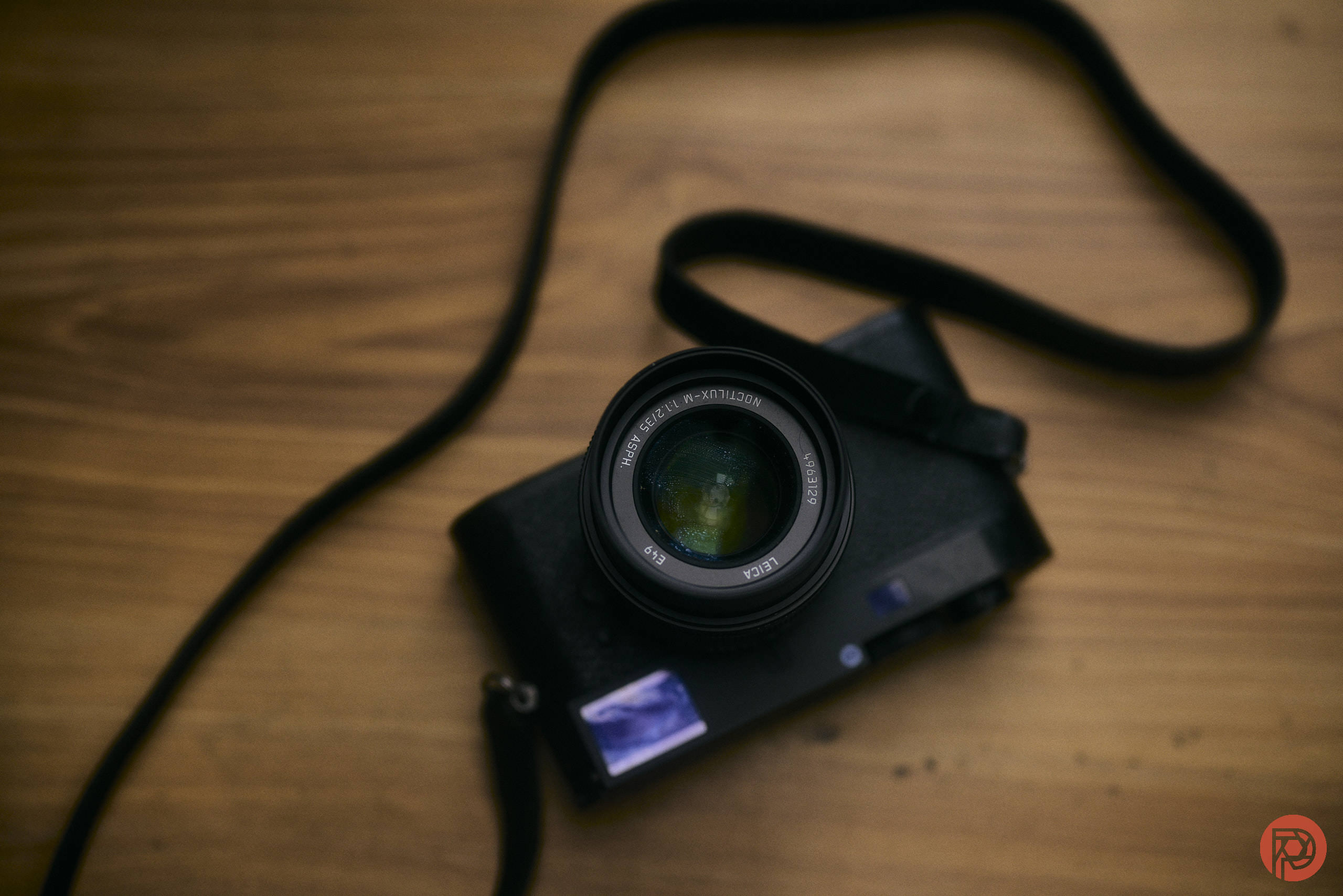
There is a quiet magic in letting go, and the camera's auto mode offers exactly that permission. The article reminds us that modern devices handle white balance, focus, and exposure with a deftness that once required years of study. We nod along because it is true: the machine has become an intuitive partner, not a stubborn tool. But here is where we pause. The piece suggests the photographer is doing very little, and that is where the conversation gets interesting. We have always believed that the art is not in the dials but in the eye behind them. A camera set to automatic still needs someone to point it at the world with intention. The settings are the craft; the frame is the voice. This is the same philosophy that guides our other stories, whether we are exploring the patient hands behind ancient Kesi silk or chasing the fleeting honesty of street photography. In The Unspoken Dialogue Between Lens and Loom in Ancient Silk, we see how mastery is not about dominating a medium but conversing with it. Auto mode is simply another material to work with, no less valid than a carefully chosen lens or a manual shutter speed.
Our take is this: do not mistake efficiency for emptiness. When you let auto mode work its magic, you are not surrendering your vision; you are freeing it to focus on what actually matters, which is noticing the light, the gesture, the moment that tells a story. The article is correct that the camera does the heavy lifting, but it misses the more profound point that the lifting is not the art. The art is the choice of when to press the shutter, what to include, and what to leave out. We would tell a reader who asks: treat auto mode as a trusted collaborator, not a crutch. Use it to capture the energy of a scene without the friction of technical adjustments, then bring your own perspective to the edit. This is not about being lazy; it is about being present. Consider Finding Joy on the Streets, One Frame After Fashion, where spontaneity reigns and the camera's automatic instincts often capture the raw pulse of a city better than any staged setup ever could. The device sees what you might miss, and that is a gift, not a flaw.
The practical takeaway here is refreshingly simple: stop fighting the technology and start dancing with it. If you are spending more time fiddling with menus than composing your shot, you have already lost the moment. Let the camera handle the science, and you handle the soul. This is a mindset shift, not a skill upgrade. The next time you step out with your camera, try this: set it to auto, then forget the settings entirely. Focus on the geometry of a shadow, the curve of a smile, the way a fabric moves in the wind. You might be surprised at how much more you see when you are not looking at the screen. And if you want to explore how this philosophy plays out in other arenas, look at how Capturing Cosmic Beauty: An Astrophotography Journey with Nikon shows that even the vastness of space becomes approachable when you trust the tool to handle the exposure while you focus on the wonder. The question we are left with is not whether auto mode makes you a better photographer, but whether you are willing to let the camera be the brush while you remain the painter. That is the trade, and it is worth making.