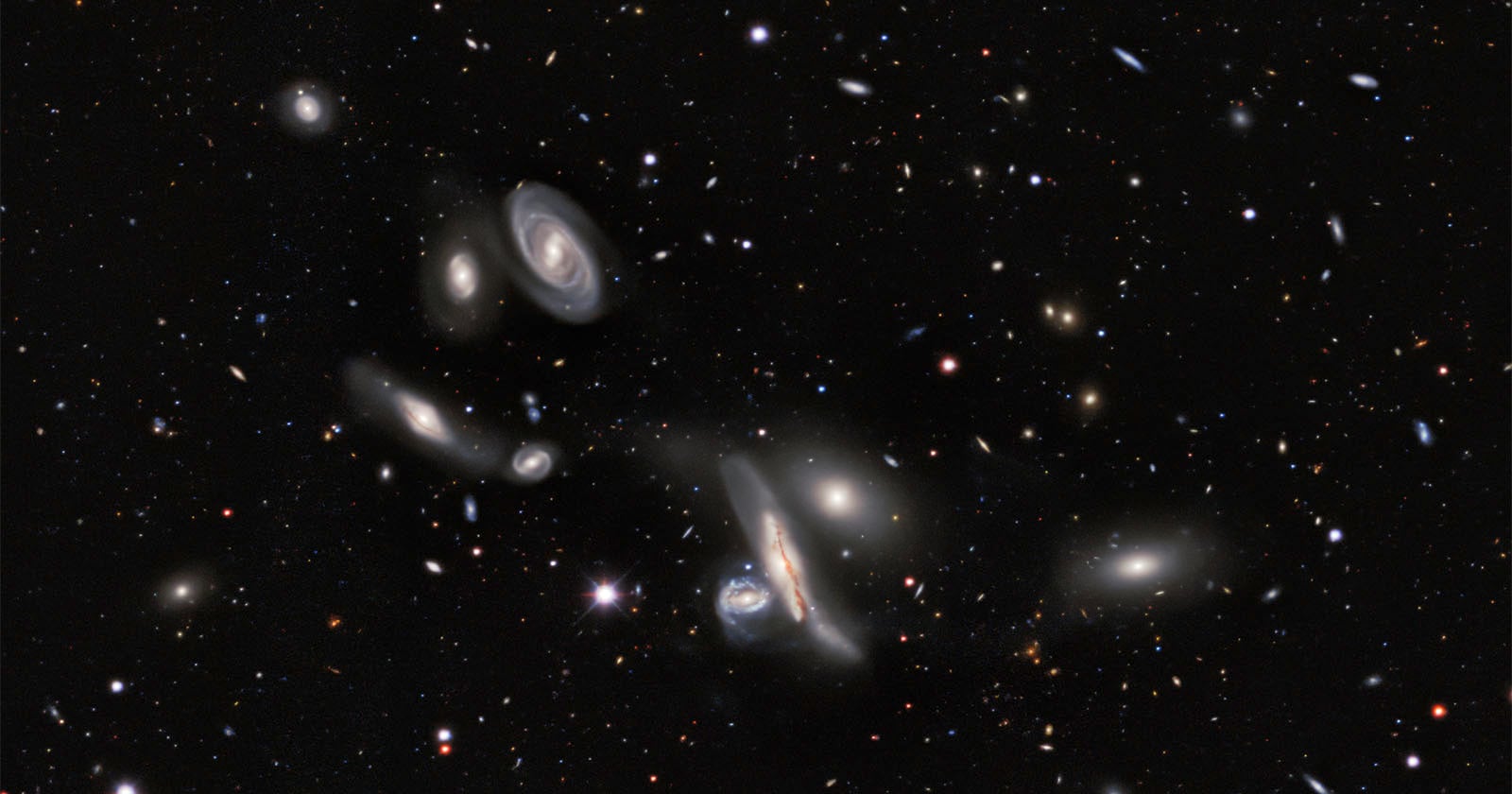
Thirteen years. Two telescopes. Two hundred sixty-three thousand, four hundred seven individual images. And the result is a map of the cosmos that now holds nearly four billion objects across three-quarters of the sky. The DESI Legacy Imaging Surveys, built on the patient work of NSF NOIRLab's facilities, is not just a technical achievement. It is a reminder that some of the most profound art is not painted, but compiled. It is a portrait of everything we can see, assembled one patient exposure at a time, and it asks us to reconsider what we mean by beauty.
For our audience, who moves fluidly between the worlds of mobile photography and celestial wonder, this map is more than a scientific dataset. It is a lesson in seeing. Consider the parallels with Signature 27: Where Mobile Photography Meets Elevated Design, where a new platform promises to put extraordinary image-making tools directly into the palm of your hand. Both projects share a core belief: that the tools matter less than the intention behind them. The scientists who spent over a decade on this survey were not merely collecting data; they were curating a visual experience of the universe. Similarly, when a photographer masters the black-and-white form, as explored in Nikon: Mastering Black and White Photography Through Exceptional Detail, they are stripping away color to reveal texture, contrast, and the raw structure of a scene. The DESI map does the same thing on a cosmic scale, revealing the delicate filaments of matter that connect galaxies, a structure that is both scientific fact and a striking example of natural design.
This is where our take diverges from the dry press release. The sheer scale of four billion objects can numb the mind. But the real story is the curation. This survey is not a random snapshot of the sky; it is a deliberate, artistic composition that took a generation to complete. It is the antithesis of the fleeting, the viral, and the immediate. In a world of infinite scroll, where we are bombarded with images that vanish in seconds, the DESI map stands as a monument to patience. The astronomers who built this did not just point a telescope; they committed to a decade of meticulous work, a process that mirrors the dedication of any serious artist perfecting their craft.
So what should you take away from this? We would tell you this: the next time you capture a stunning landscape on your phone or frame that perfect black-and-white portrait, you are participating in the same act of discovery that created this map. The universe is not a distant abstraction; it is a deeply curated gallery, and we are all its viewers. The specific detail to watch is how this public dataset will transform the next generation of visual creators. As artificial intelligence and computational tools become more accessible, this map becomes raw material for new forms of artistic expression, from data-driven films to interactive installations. The question is not whether you will be inspired by this cosmic catalog, but whether you will have the patience to look closely enough to find your own place within it.