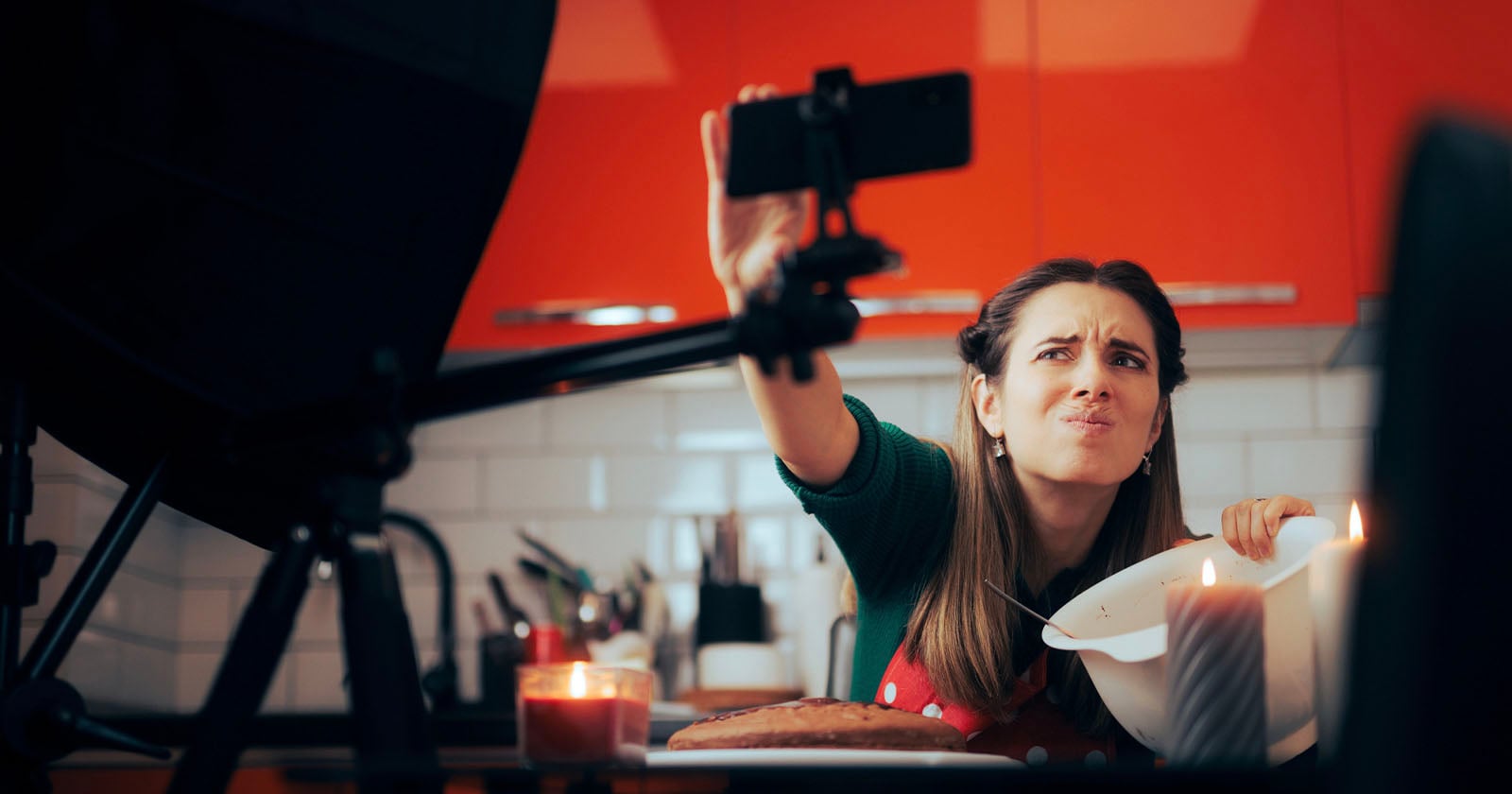
There is something deeply unsettling about watching a version of yourself that you never made. Content creators are discovering AI-generated replicas of their videos where everything remains the same, the lighting, the background, the script, except the person speaking has been replaced by a synthetic stand-in. This is not a distant hypothetical. It is happening now, and it forces a question that no filter or algorithm can answer: when AI copies your art, who owns the authentic you?
We have been watching this tension build across creative industries. The New York Times Draws a Line Against Undisclosed AI in Photoshop set a clear standard for editorial integrity, refusing to publish manipulated images without disclosure. That was a move about trust in the frame. Meanwhile, When Art Meets Algorithm: Fincher's Cliff Booth Sequel Draws Fire Over AI showed how even a celebrated director cannot escape the backlash when audiences suspect a machine has ghostwritten a performance. Both stories share a common thread: the line between creator and tool is blurring, and the public is watching closely. But the current situation with content creators takes this blurring one step further. It is no longer about whether a tool was used. It is about whether *you* were used.
The practical meaning for anyone who makes a living by being in front of a camera is stark. Your face, your voice, your mannerisms, these are not just personal expressions. They are assets, and they can be extracted. A creator who pours hours into building a distinctive presence can find that presence duplicated without consent, and the replica often carries the same commercial value while the original receives nothing. This is not a copyright dispute over a logo or a melody. It is a dispute over identity itself. And identity does not fit neatly into existing legal categories.
Our opinion is straightforward: the burden should not fall on creators to police every corner of the internet for fakes. Platforms and toolmakers must build detection and attribution into their systems from the start, not as an afterthought. Until then, every creator should consider one specific, concrete step: document your process. Keep raw footage, metadata, and time-stamped records of your work. When a replica appears, proof of origin is your strongest claim. The question of who owns the authentic you will not be settled by a single lawsuit or a company policy. It will be settled by the habits we build now, while we still have a chance to draw the line ourselves.