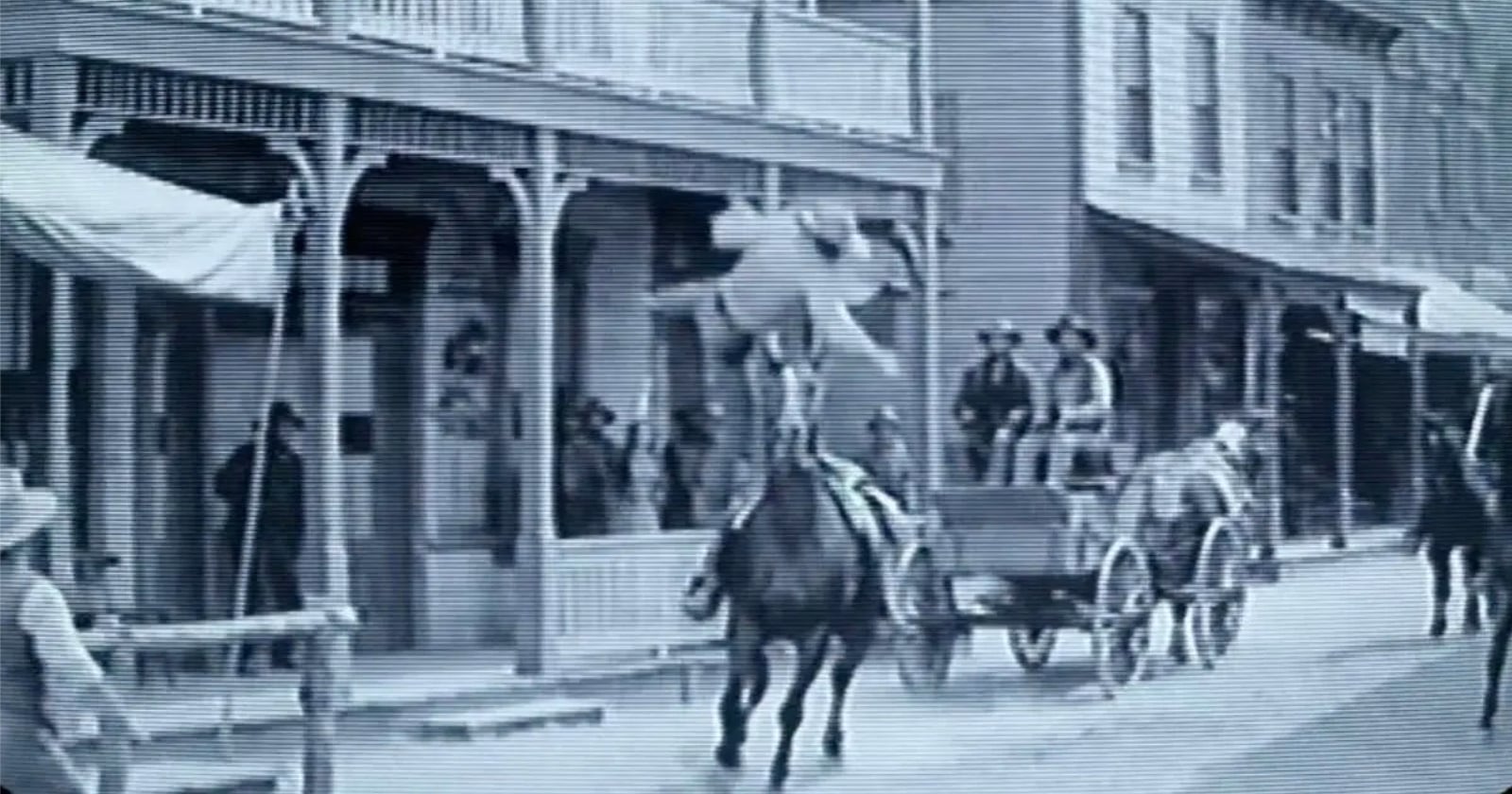
The further misadventures of David Fincher's latest project have arrived, and they are not the kind anyone wanted. *The Further Mis-Adventures of Cliff Booth*, a sequel to Quentin Tarantino's *Once Upon a Time in Hollywood*, is drawing fire for its alleged use of low-quality generative AI imagery. Our take is blunt: this is a betrayal of the very craft that makes cinema worth caring about. For an audience that values the authentic, the curated, and the immersive, this news should feel less like a scandal and more like a warning.
We have spent considerable time celebrating the tactile beauty of analog creation, from the Each Hua Lens Tells Its Own Story, a Curated Tribute to Vintage Optics to the resurgence of pocketable film cameras explored in The Art of the Pocketable Frame: Tiny Cameras, Big Vision. These stories celebrate the human hand, the deliberate choice, the happy accident of light hitting glass. Fincher, a director known for obsessive precision, choosing to lean on low-grade generative imagery feels like a shortcut dressed in the language of innovation. It is not innovation to replace a set dresser's eye with a prompt. It is a cost-cutting measure that hollows out the texture of a world. The criticism is not Luddite panic; it is a legitimate reckoning with what happens when an algorithm, rather than an artist, fills the frame.
This matters to our readers because the line between the aspirational and the artificial is blurring faster than many realize. The same technology that can conjure a passable image of a mid-century lamp or a vintage lens can also undermine the trust we place in what we see. When a director of Fincher's stature uses AI imagery that looks "low-quality," the message to the industry is that the final image matters less than the budget line. That is a dangerous precedent for anyone who values the immersive worlds of film, fashion, or design. Consider the staggering scale of our visual culture, 144 zettabytes of imagery: our visual world, curated and captured by the end of this year. In that ocean of data, the difference between a genuine frame and a synthetic one becomes a matter of curation, not production. We curate what we trust, and Fincher's sequel risks eroding that trust for a paycheck.
The specific consequence to watch is how this controversy reshapes the conversation around "artistic intent." If a filmmaker as respected as Fincher can use AI imagery and face backlash, the next question is whether audiences will accept any AI-generated content in prestige cinema. The answer may determine whether the next generation of filmmakers invests in real locations and real props, or in a server rack. For now, the most honest takeaway is this: when art meets algorithm, the result is only as good as the integrity behind the button. Cliff Booth may survive his further misadventures. The craft of cinema may not.