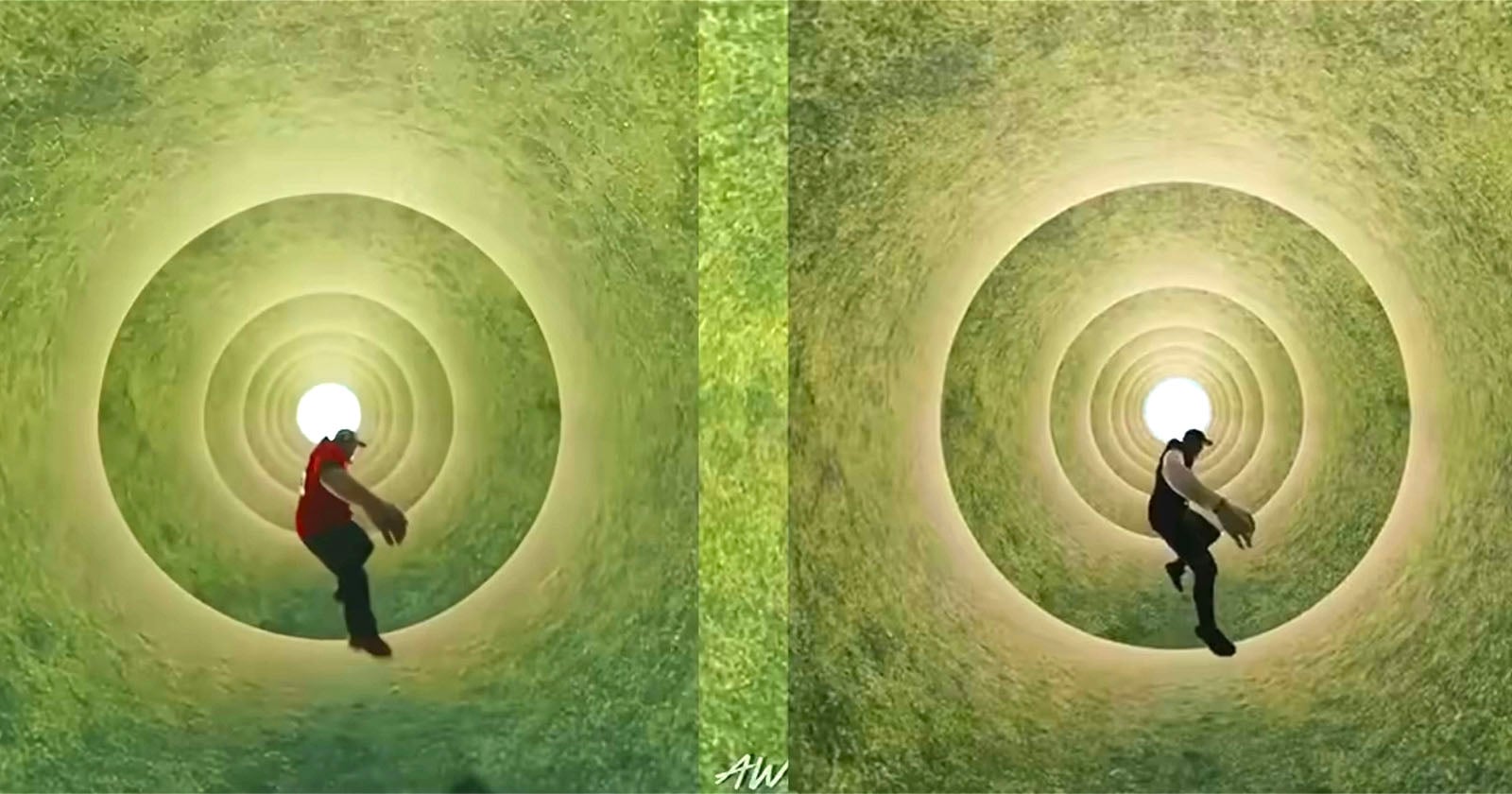
There is no artistry in theft, no matter how polished the final frame. The accusation that ASAP Rocky used AI to directly lift work from two video artists and a parkour athlete for his latest music video is a breach that cuts to the heart of what we value: authentic creation. For our community, people who live at the intersection of movement, style, and visual storytelling, this isn't a distant legal squabble. It is a challenge to the very currency of our world, where the difference between inspiration and appropriation should be sacred.
When we champion fitness and lifestyle aesthetics, we celebrate the discipline of bodies moving through space, the craft of a perfectly timed transition. Consider the precision of a parkour athlete, whose every vault and landing is earned through hours of practice and pain. That physical language is not data to be scraped. It is a signature. We recently explored this tension elsewhere, asking When a Crocodile Wasn't Real, But the Charge Was about the legal consequences of fabricated AI imagery. That case dealt with the law catching up to a fake; this one deals with a real artist's work being absorbed without credit. Both stories reveal a dangerous assumption that the digital world is free real estate. The core problem is absolute: using AI to copy another creator's output is not a shortcut, it is a violation.
This moment forces us to ask what curation means in an era of infinite mimicry. We love the immersive, the vibrant, the curated detail that feels intentional. But curation requires a curator with taste and ethics. When a major artist resorts to extraction over collaboration, it diminishes the very culture he once helped define. Our piece on Hear the Rhythm of Speed Ramp Transitions in Motion celebrated technical mastery as an art form; those transitions are the work of human hands adjusting speed and timing frame by frame. You cannot outsource that soul to a prompt. The artists and athletes who build these visual languages deserve the same respect we give to a couture silhouette or a meticulously programmed workout. Their craft is not a resource to be mined.
The practical consequence here is straightforward: trust erodes when the line is blurred. For every creative collaborator reading this, the question is not just *did he use AI*, but *how will we protect our own work when the tools are this persuasive?* The open detail to watch is how the original creators respond, whether they seek credit, compensation, or a public reckoning. Their fight is ours, too. Because if the highest expression of style can be synthesized from someone else's sweat, then what is left that is truly, authentically ours?